Most break-ins happen through the same few weak points: an unreinforced door lock, a window that doesn’t latch properly, or a dark side entrance no one thinks to light. If you’re wondering how to upgrade home security without tearing out your entire setup, the good news is that the most effective changes are also some of the cheapest you just need to know where to start.
This guide walks through seven upgrades in the order that makes the most sense: closing your biggest physical gaps first, then layering on visibility, smart-home convenience, and the habits that keep everything working the way it should.
Key Takeaways
- Start with entry points doors and windows before adding cameras or apps
- Lighting is one of the cheapest and most effective deterrents you can add
- Smart locks and video doorbells improve convenience as much as security
- A layered approach (physical barriers + visibility + habits) beats any single upgrade
- Some insurers offer discounts for security upgrades, so it’s worth asking
- Most upgrades in this guide can be done in a weekend without professional help
How to Upgrade Home Security: Why Entry Points Matter Most
Before getting into specific upgrades, it helps to understand the logic behind the order of this guide. Studies on residential burglary consistently point to a few common access routes: front doors, back doors, and ground-floor windows account for the large majority of forced entries. Burglars generally look for the fastest, least visible way in not the most technically interesting one. That’s why a $15 strike plate upgrade often does more for your home’s security than a $300 camera system pointed at the wrong angle.
With that in mind, the upgrades below are ordered by impact per dollar spent, starting with the physical barriers that stop someone from getting in at all, then moving to the visibility tools that catch problems early, and finally the habits and smart-home additions that tie everything together.
1. Reinforce Your Doors First
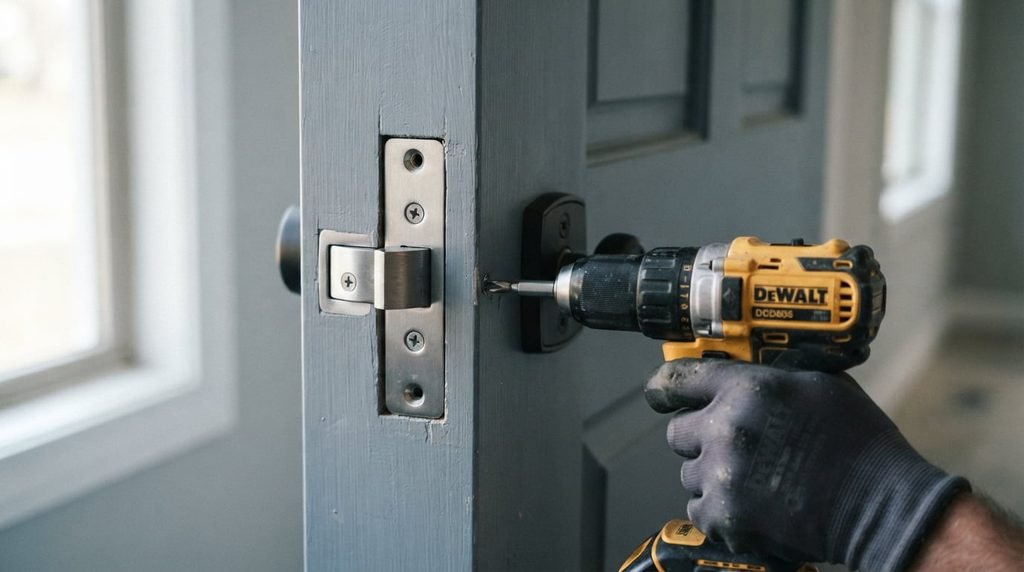
Doors are the most common entry point, so this is where a home security upgrade matters most.
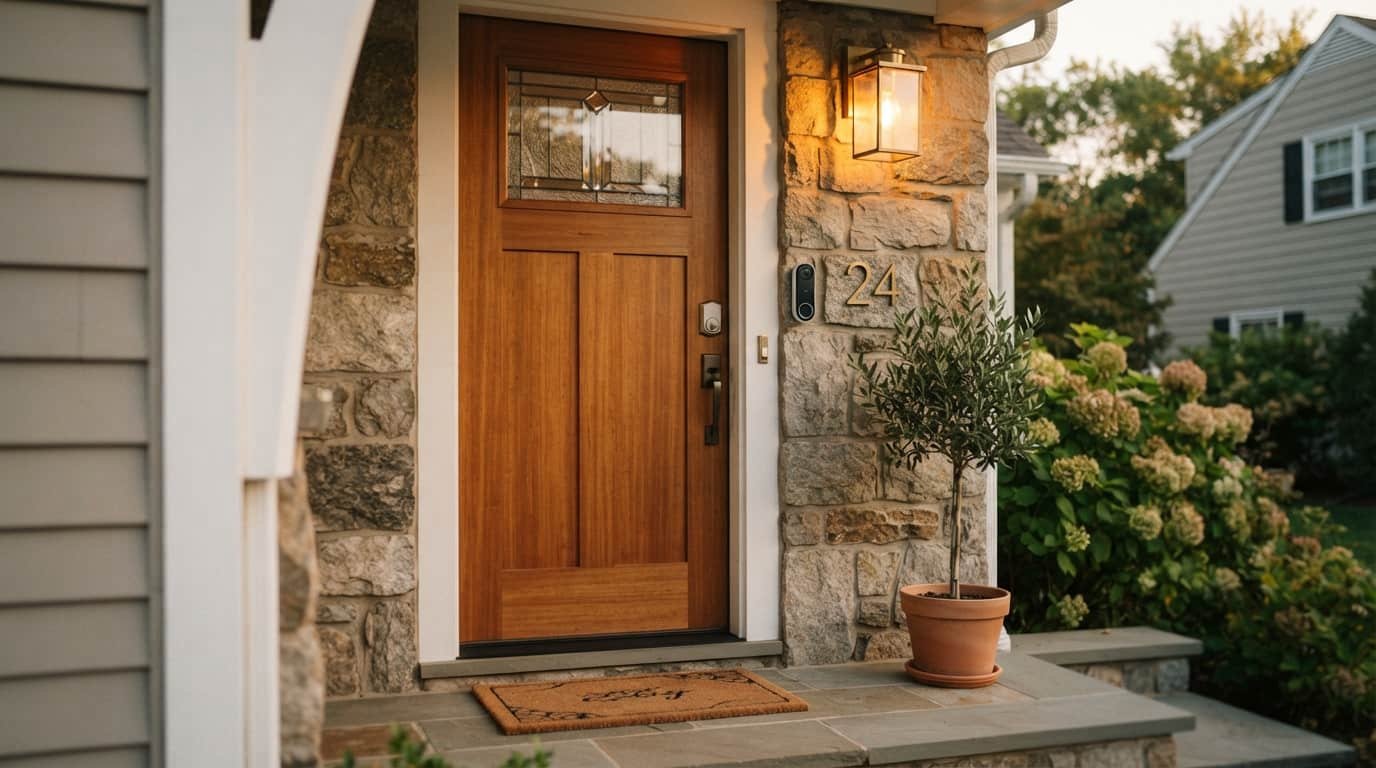
- Upgrade to a deadbolt with a 1-inch throw bolt. Shorter bolts are easier to force open with a swift kick. Look for a deadbolt rated ANSI Grade 1 or Grade 2 these ratings reflect how much force and how many kick-in attempts the lock is built to withstand.
- Install a strike plate with 3-inch screws long enough to reach the door frame’s stud, not just the trim. This is one of the cheapest fixes that meaningfully resists forced entry, and it takes about 15 minutes with a drill.
- Check for flex. Push firmly on the frame near the lock. If it gives noticeably, a metal door jamb reinforcement kit can stiffen it up for under $30. These kits wrap the frame in steel around the strike area, which is usually the weakest point.
- Don’t skip the garage entry door and back door. They usually get less attention than the front door but are just as exposed, and often less visible from the street which actually makes them more attractive to someone looking for an easy target.
- Consider a door reinforcement plate that covers the entire lock area, not just the strike plate. These add a second layer of resistance against both kicking and lock manipulation.
- Check hinge screws too. If your door swings outward, the hinges are just as important as the lock. Replace short hinge screws with 3-inch versions so they also reach the framing stud.
Solid Core vs. Hollow Core Doors
If your exterior doors are hollow-core (common on older homes or as secondary entry doors), consider replacing them with solid wood or solid-core fiberglass doors. Hollow doors can be kicked through fairly easily regardless of how good the lock is. This is a bigger investment than the fixes above, but it’s worth planning for if you’re already budgeting for exterior updates.
2. Secure Your Windows
Windows are the second most common entry point, especially on the ground floor.
- Add window locks or sash locks if yours only have the basic latch they shipped with. Basic latches are often designed to keep the window from rattling, not to resist being pried open.
- Use a dowel or window security bar in the track of sliding windows and doors so they can’t be forced open from outside. A cut piece of wood dowel costs almost nothing and works well as a temporary fix.
- Consider shatter-resistant security film for ground-floor windows, particularly in higher-risk areas. This won’t make glass unbreakable, but it holds shattered glass together, which slows down anyone trying to reach through a broken pane.
- Trim back bushes or landscaping that block sightlines to windows from the street. Cover that hides a window from view also hides anyone trying to get through it.
- Check basement and side windows separately. These are frequently the most neglected windows in a home because they’re rarely seen from inside daily living spaces, yet they offer the same access as any other window.
- If you have older single-pane windows, look into window security sensors that trigger an alert if the glass breaks or the window opens a low-cost add-on if you already have a smart home hub.
3. Improve Outdoor Lighting
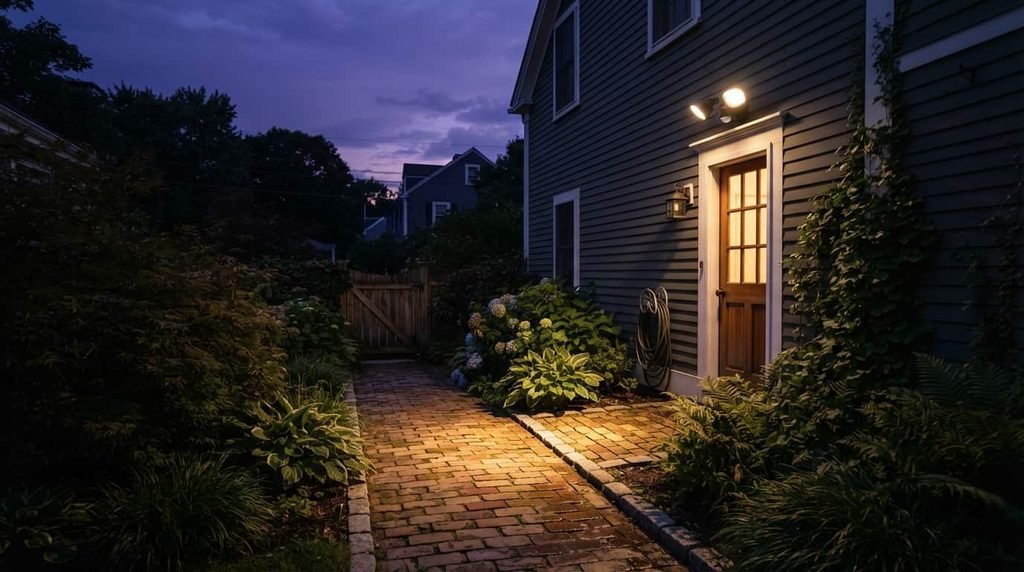
Poor lighting is one of the most overlooked gaps in home security and one of the easiest to fix.
- Install motion-sensor lights at entry points, side yards, and driveways. Motion-triggered lighting is particularly effective because sudden illumination draws attention (yours and your neighbors’) at exactly the moment someone doesn’t want it.
- Use dusk-to-dawn bulbs for spots that need consistent light rather than motion triggers, such as walkways or house numbers.
- Light your house numbers so emergency responders can find your home quickly if it’s ever needed a small detail that’s easy to forget but genuinely useful.
- Aim for even coverage rather than one over-lit area next to a dark one inconsistent lighting just moves the blind spot from one side of the house to the other.
- Solar-powered lights are worth considering for spots without easy wiring access, like a detached shed or back fence line. They’ve improved significantly in reliability over the past few years.
- If your home has a long driveway or a detached garage, don’t forget lighting there too these are common spots for vehicle break-ins and tool theft, which are far more common than home invasions.
4. Add a Video Doorbell or Entry Camera
A visible camera at your front door does two things at once: it lets you see who’s there, and it works as a deterrent just by being noticeable.
- Choose a doorbell camera with motion alerts so you’re notified even if no one rings the bell.
- Position it to capture the full walkway, not just the doorstep, so footage actually shows someone approaching rather than just standing at the door.
- If you rent, look for battery-powered, no-drill models that skip modifying the door frame most don’t require landlord approval.
- Pay attention to field of view and night vision quality. A wide-angle lens with clear night vision matters more than resolution alone, since most incidents happen in low light.
- Check whether the camera stores footage locally (on a memory card) or in the cloud. Cloud storage is more convenient but usually involves a monthly subscription; local storage avoids the fee but means footage is lost if the device itself is damaged or stolen.
- Battery life vs. wired power is another trade-off. Battery-powered doorbells are easier to install but need recharging every few weeks depending on usage; wired versions stay powered but require some basic electrical work.
5. Upgrade to a Smart Lock (If It Fits How You Live)
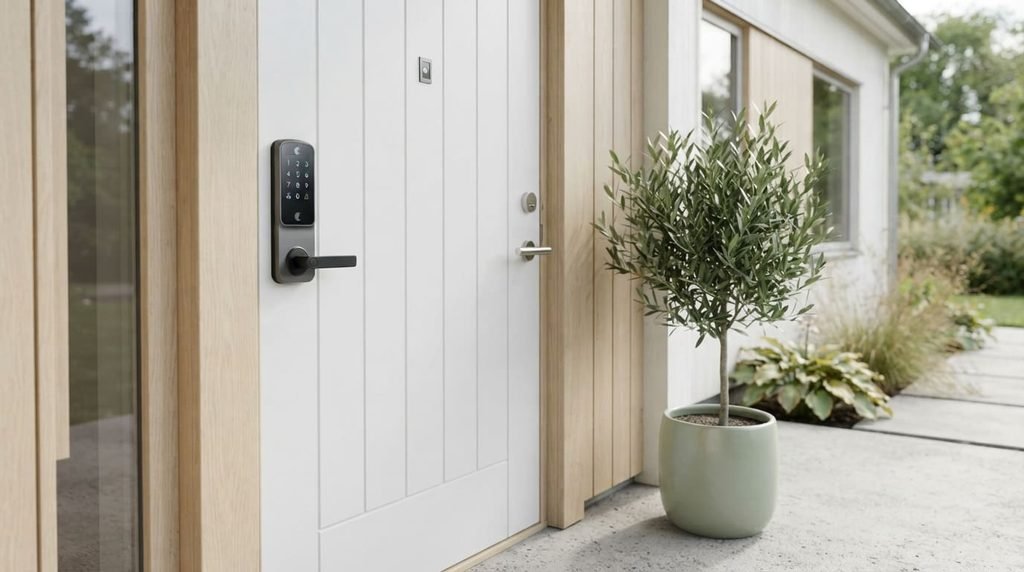
Smart locks aren’t essential for everyone, but they solve one problem particularly well: controlling who has access to your home without handing out physical keys.
- Look for auto-lock features so the door locks itself if you forget.
- Keypad or app-based access lets you give temporary codes to a house sitter, cleaner, or guest without copying keys and you can revoke access instantly if needed.
- Confirm it has a manual key override. Dead batteries and app glitches happen, and you don’t want to be locked out because of one.
- Some smart locks integrate with existing smart home ecosystems (voice assistants, smart hubs), letting you check lock status remotely or set schedules useful if you travel often or have a variable schedule.
- Battery life varies significantly between models, generally lasting anywhere from 6 months to a year with regular use. Choose one with a low-battery notification so you’re not caught off guard.
- If you’re not ready to replace your entire lock, some retrofit smart lock devices fit over your existing deadbolt, offering app control without a full hardware swap. These are a good middle-ground option for renters or budget-conscious upgrades.
6. Cover the Blind Spots
Once your entry points are handled, expanding coverage to other vulnerable areas closes the remaining gaps.
- Side and back entrances are common blind spots simply because they’re less visible from the street.
- Driveways and garages are worth covering if you store bikes, tools, or vehicles there these are actually more commonly targeted than the home’s interior.
- Choose cameras with local or cloud storage based on whether you’d rather pay a subscription or manage storage yourself.
- If a camera’s field of view includes a neighbor’s yard or window, angle it away most areas have privacy expectations around recording property you don’t own, and some jurisdictions have specific rules about audio recording in particular.
- Consider a whole-property system with a central hub if you’re covering more than two or three areas managing multiple standalone apps gets unwieldy fast.
- Outdoor camera placement height matters. Mounting cameras 8–10 feet up keeps them out of easy reach while still capturing usable footage of faces and activity at ground level.
7. Close the Small Gaps That Get Overlooked
These low-cost habits round out a stronger setup without any new equipment:
- Store spare keys inside, not under a mat or planter. These hiding spots are well known and among the first places checked.
- Secure sliding glass doors with a floor-mounted lock in addition to the standard latch.
- Build a quick locking routine check doors and windows before bed or when leaving, even with smart devices installed. Automation helps, but it isn’t a substitute for the habit.
- Test your system periodically. Replace camera and lock batteries on a schedule, and confirm app notifications are still working after software updates.
- If you have a monitored system, display the signage. A visible deterrent works even when no one’s actively watching a feed.
- Be mindful of what you share online. Posting real-time vacation photos or check-ins can signal that a home is empty. Sharing after returning avoids this risk entirely.
- Get to know your neighbors. An informal neighborhood watch where people notice unfamiliar vehicles or activity remains one of the most effective, lowest-cost deterrents available, even in the age of smart cameras.
Common Mistakes to Avoid
Even well-intentioned security upgrades can fall short if a few common mistakes creep in:
- Installing cameras but never checking footage. A camera that no one monitors offers little more than a deterrent effect. Set up alerts so you’re actually notified of activity.
- Relying on one layer only. A great lock with no lighting, or great lighting with a weak door, still leaves an obvious gap. Layering matters more than any single upgrade.
- Forgetting maintenance. Dead batteries in a smart lock or motion light quietly undo the entire upgrade until someone notices often after the fact.
- Overlooking secondary entrances. Homeowners often secure the front door thoroughly while leaving a side gate, basement window, or garage service door with minimal protection.
- Choosing convenience features over the fundamentals. A smart doorbell is a nice addition, but it shouldn’t come before a solid deadbolt and reinforced strike plate.
DIY vs. Professional Installation
Most of the upgrades in this guide strike plates, window locks, motion lights, battery-powered cameras, and retrofit smart locks are designed for straightforward DIY installation with basic tools and an hour or two of time.
A few situations call for professional help:
- Wired security systems or hardwired cameras that require running new electrical lines
- Monitored alarm systems with professional installation and monitoring contracts
- Structural door or frame replacement, especially for solid-core door upgrades
- Complex smart home integrations tying multiple devices into a single hub, if you’re not comfortable with networking setup
If you’re unsure whether a task is DIY-friendly, a good rule of thumb is: anything involving new electrical wiring or structural changes to your home is worth a professional consultation, even if just to confirm the job is straightforward.
Seasonal Security Considerations
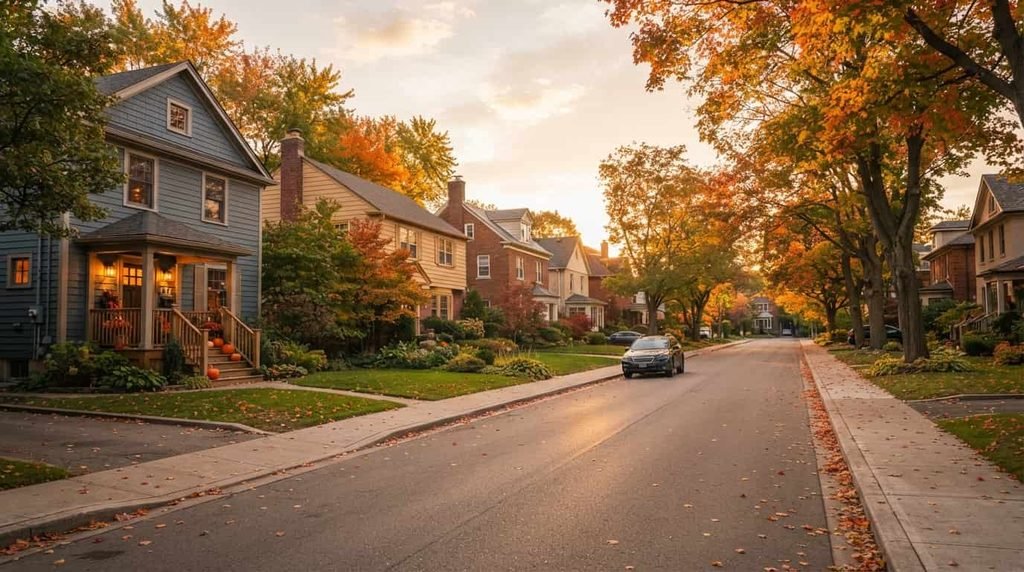
Security needs can shift slightly with the seasons, and it’s worth adjusting your approach accordingly:
- Summer: Longer daylight hours mean lighting matters less during peak hours, but open windows for ventilation create more entry opportunities window locks become especially important.
- Holiday season: Package theft and home-empty periods (travel) both increase. Consider a doorbell camera with package alerts, and avoid obvious signs that no one’s home.
- Winter: Shorter days mean motion-sensor lighting gets more use. Also check that any battery-powered devices hold up in colder temperatures, since cold weather reduces battery life.
Insurance Discounts Worth Asking About
It’s worth calling your homeowners or renters insurance provider once your upgrades are in place many offer small premium discounts for verified security improvements like deadbolts meeting certain grades, monitored alarms, or smart locks. Some insurers require documentation (a receipt or installation confirmation) to apply the discount, so it’s worth keeping records of what you install.
Where to Start If You’re on a Budget
If you can only tackle one or two things right now, this order gives you the most protection per dollar spent:
- Reinforced strike plates and a solid deadbolt the single biggest impact for the lowest cost
- Motion-sensor lighting at entry points
- Window locks on ground-floor windows
- A video doorbell, once your physical entry points are solid
- A retrofit smart lock or smart hub integration, once the fundamentals are covered
Frequently Asked Questions
Do I need a monitored security system to be safe? Not necessarily. A layered approach solid locks, good lighting, and visible cameras deters most opportunistic break-ins on its own. A monitored system adds a faster response if something does happen, but it isn’t required for a meaningful upgrade.
Are smart locks reliable, or should I stick with a traditional deadbolt? Both can be reliable when installed correctly. Smart locks add convenience remote access, temporary codes but should always include a manual key override for when the battery dies or the app has an issue.
How much does a basic home security upgrade cost? Reinforced strike plates, motion lights, and window locks can typically be done for under $100 total. Video doorbells and smart locks usually add $100–$250 each, depending on the brand and features. A more complete setup with multiple cameras and a smart lock can run $500–$800.
Should renters upgrade home security differently than homeowners? Yes. Renters generally do better with non-permanent options battery-powered cameras, door-mounted alarms, and window security bars since anything requiring drilling or altering fixed hardware usually needs landlord approval first.
How long does it take to complete these upgrades? Most of the physical upgrades (strike plates, window locks, lighting) can be completed in a single weekend. Adding smart devices and setting up apps typically adds another hour or two per device for setup and testing.
Do security cameras actually deter burglars, or just record them? Both, to different degrees. Visible cameras act as a deterrent for opportunistic break-ins, since most people looking to break in prefer targets that look easy and low-risk. For anyone determined enough to proceed anyway, footage becomes valuable for identification and any police report.
Related resources: 21 Laundry Room Organization Ideas You’ll Love · New Home Inspections: What Buyers Should Check Before Moving In
Related resource: Balcony Railing: How to Pick the Best Style for Your House