A balcony railing has two jobs: help protect people from falling and contribute to the look and usability of the outdoor space. Choosing one, however, involves more than picking a style you like.
The right option depends on your balcony’s size, location, weather exposure, privacy needs, maintenance expectations, budget, and the condition of the existing structure. If you’re in a rental, condo, or HOA-managed property, there may also be restrictions on what you can change.
This guide breaks down the main balcony railing types, compares common materials, explains what affects cost and maintenance, and shows what to consider before replacing or installing one.
What to Consider Before Choosing a Balcony Railing
Start with how the balcony needs to function, then choose a railing that supports those needs.
Balcony Size and Layout
Measure the balcony and consider how much usable floor space you have for chairs, tables, planters, and walking paths.
On a narrow balcony, a visually heavy railing can make the space feel more enclosed. A slim-profile or visually open design may work better.
For example, a small apartment balcony with room for only two chairs and a side table may benefit from a simple metal or glass design rather than a bulky decorative system.
Privacy and Visibility
Think about what you want to see—and who you don’t want looking in.
A balcony facing a wooded backyard may benefit from an open railing that preserves the view. One overlooking a neighboring apartment or busy street may need frosted glass, privacy panels, screens, or another less transparent design.
More privacy can also mean less airflow or a less open appearance, so consider those trade-offs before choosing a solid or heavily screened option.
Weather Exposure
Outdoor railings are exposed to conditions such as rain, snow, humidity, strong sunlight, and, in coastal areas, salty air.
A covered balcony generally experiences less exposure than a completely open one. Your local conditions can therefore affect the appropriate material, finish, hardware, and maintenance requirements.
Don’t choose solely because a material is described as “weather-resistant.” Check the specifications for the particular product and ask whether it is suitable for your environment.
Maintenance
Think about the amount of upkeep you’re actually willing to do.
Glass doesn’t need painting or staining, but it shows water spots and fingerprints. Wood can create a warm appearance but may need periodic attention to its protective finish. Metal systems can be relatively low-maintenance, but their coatings, fasteners, and connections still need inspection.
The lowest-maintenance option on paper isn’t necessarily the best choice if it doesn’t suit your home’s environment or appearance.
Existing Balcony Structure
If you’re replacing an old railing, look beyond the railing itself.
The balcony edge, mounting surface, posts, fasteners, and connections may need to be checked. A new railing can’t solve a problem with the structure supporting it.
This is especially important if the existing railing is loose, moves noticeably, has significant corrosion, or shows signs of deterioration.
Budget and Property Restrictions
Set a project budget that accounts for more than the railing panels or posts.
Removal, structural repairs, custom fabrication, hardware, and installation can all add to the final cost.
If you rent, live in a condominium, or belong to an HOA, check the applicable rules before ordering anything. Exterior changes may require approval even when the existing railing needs replacement.
Balcony Railing Types
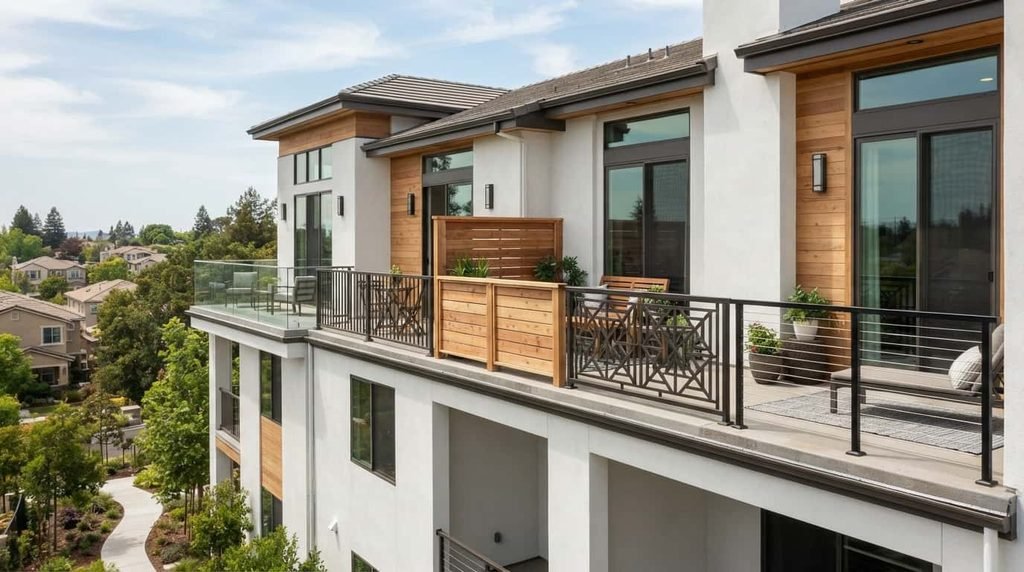
Different railing styles create different combinations of visibility, privacy, maintenance, and appearance. Here are the most common options to consider.
Glass Balcony Railing
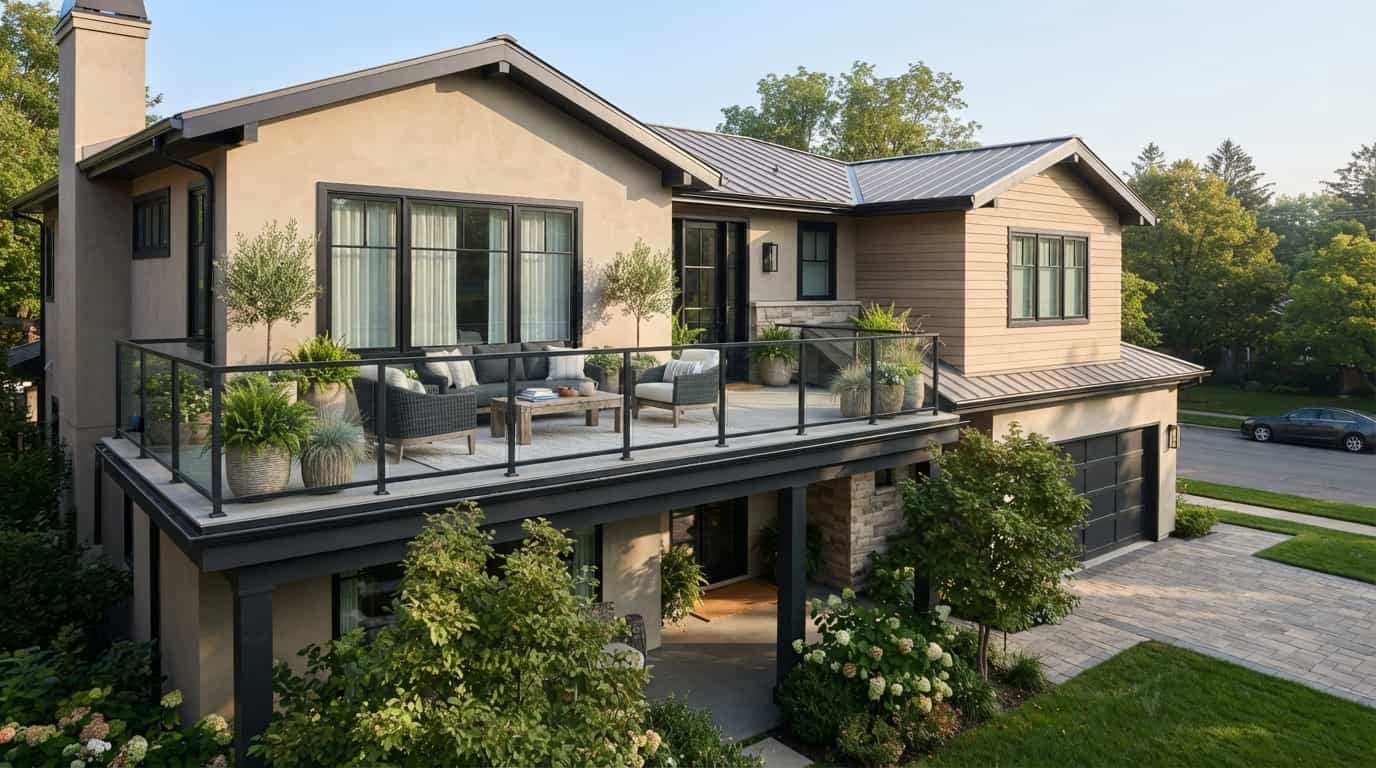
Glass railing is often chosen when preserving a clear view is important. Its relatively uninterrupted appearance can make a balcony feel open and modern.
Clear glass offers little visual privacy, though frosted, tinted, or patterned options can provide more separation.
The main practical drawback is cleaning. Dust, fingerprints, rain marks, and water spots can be noticeable, especially on exposed balconies.
Glass railing also needs the correct glass, hardware, mounting system, and installation for the application. Don’t judge suitability by appearance alone.
Aluminum Balcony Railing
Aluminum is a popular option for homeowners looking for a relatively lightweight, versatile, and low-maintenance material.
It can be used in simple modern designs as well as more traditional styles and is available in a range of finishes.
The finish and hardware still matter. Before purchasing, check the product’s specifications and suitability for your climate, particularly if the balcony is exposed to moisture or coastal conditions.
Stainless Steel Balcony Railing
Stainless steel has a clean appearance that fits contemporary homes well. It is also commonly combined with glass or other infill materials.
Its performance depends on the particular grade, finish, installation, and environment. Areas exposed to moisture or salt require appropriate corrosion considerations and maintenance.
Wood Balcony Railing
Wood provides a warmer, more traditional appearance than glass or metal.
It can be painted or stained to coordinate with siding, trim, doors, or other exterior elements. The trade-off is ongoing maintenance. Outdoor wood can be affected by moisture, sunlight, and temperature changes, so the finish and condition should be monitored.
Wood can be a good visual fit for traditional, cottage, farmhouse, or rustic-style homes when its maintenance requirements are acceptable.
Wrought Iron and Steel Railing
Decorative iron and steel can create a strong architectural statement. Ornamental patterns can complement traditional homes, while simpler metal designs can work with more contemporary exteriors.
The maintenance requirements depend on the metal and protective coating. Inspect painted or coated systems for scratches, peeling, rust, or other signs of deterioration.
Cable Railing
Cable railing uses thin horizontal cables to create a relatively open appearance. It’s often considered when homeowners want to preserve views without using glass.
It can suit modern and contemporary architecture particularly well. However, the cables, fittings, and connections still require inspection and cleaning according to the manufacturer’s recommendations.
Balcony Railing Materials Compared
Use this comparison as a starting point rather than a universal ranking. The actual performance of a railing depends on its construction, finish, installation, exposure, and maintenance.
| Material | Appearance | View | Privacy | Maintenance |
|---|---|---|---|---|
| Glass | Clean and modern | Excellent | Low unless privacy glass is used | Regular cleaning |
| Aluminum | Modern and versatile | Good | Depends on design | Generally low |
| Stainless steel | Contemporary | Good | Low | Low to medium |
| Wood | Warm and traditional | Medium | Medium to high | Higher |
| Wrought iron/steel | Classic or decorative | Medium | Medium | Medium to high |
| Cable | Minimal and modern | Excellent | Low | Medium |
How to Choose the Right Balcony Railing for Your Needs
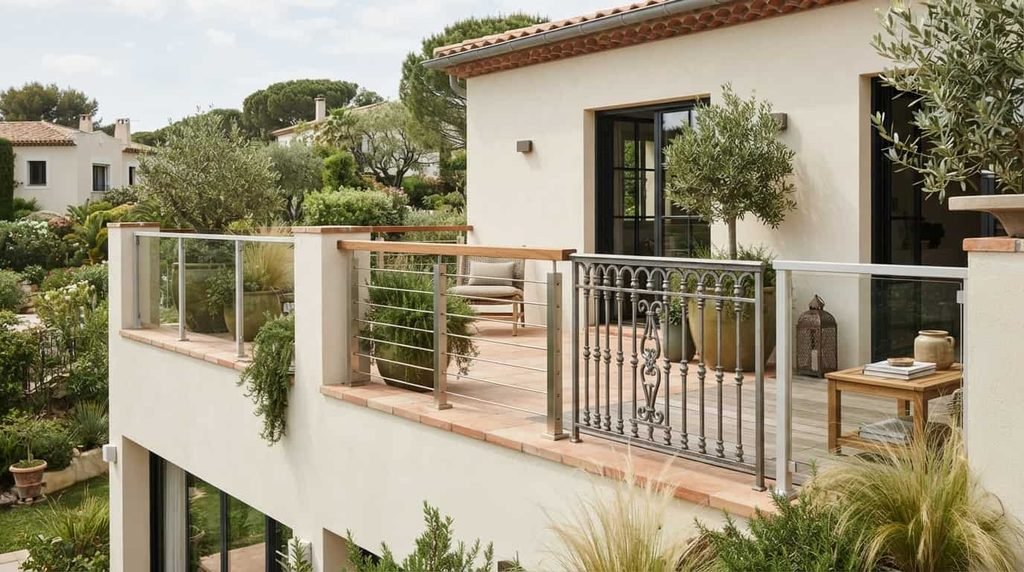
Rather than asking which railing is “best,” identify what matters most for your particular balcony.
Best for Preserving a View
If your balcony overlooks a garden, lake, open landscape, or city skyline, visual obstruction may be a major concern.
Glass and cable systems can preserve sightlines better than heavier designs. The trade-off is that both provide relatively little privacy unless additional screening is used.
Best for Privacy
If your balcony faces a neighboring home or apartment, consider:
- Frosted or patterned glass
- Privacy panels
- Decorative screens
- Slatted designs
- Carefully positioned outdoor plants
A privacy solution should still allow the balcony to function comfortably. A completely enclosed design may affect airflow and natural light.
Best for Lower Maintenance
If you don’t want to spend much time repainting, staining, or refinishing exterior components, consider materials and finishes designed for relatively low upkeep.
Aluminum and some metal systems can be practical choices, while wood generally requires more attention to its protective finish.
Glass avoids painting and staining but requires regular cleaning.
Best for a Small Balcony
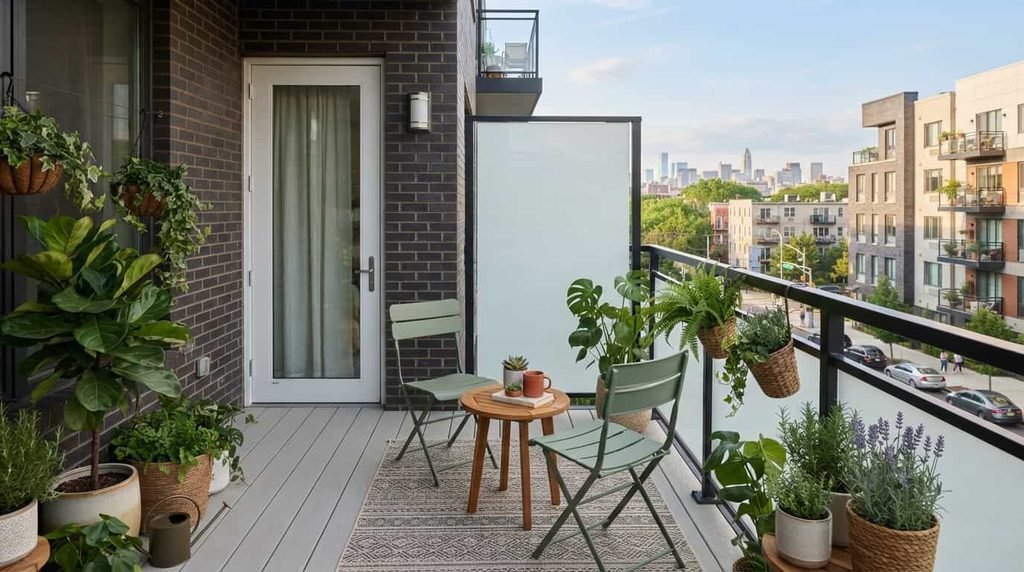
For compact balconies, visual openness can make a noticeable difference.
Glass and cable railings can preserve sightlines, while slim metal profiles can reduce visual bulk. If privacy is necessary, consider a targeted privacy feature instead of completely enclosing the railing.
Best for a Traditional Home
Wood and decorative metal can complement traditional architectural styles.
Instead of matching the railing to the balcony alone, look at the whole exterior. A railing that echoes the home’s trim, doors, windows, or other metalwork will generally feel more integrated.
Best for Exposed or Coastal Locations
A balcony near the ocean or in a particularly wet environment needs careful material and hardware selection.
Ask about corrosion resistance, protective finishes, fasteners, and maintenance requirements. Don’t assume that every product made from the same general material will perform identically in a demanding environment.
Balcony Railing Safety and Building Requirements
Safety should come before appearance.
Depending on the project and location, requirements may address railing or guard height, openings, structural loads, materials, attachment methods, and other details. Local requirements can vary, so don’t assume that a measurement found on a general website applies to every US property.
Your local building department or a qualified professional can help determine which requirements apply to your project.
It’s also important to distinguish between a guard and a handrail. A balcony guard is intended to protect people at an elevated edge, while a handrail is designed to provide something to hold onto, such as along stairs. They can serve different purposes and may be subject to different requirements.
If children or pets regularly use the balcony, also consider how the railing’s openings and overall design affect the space. Follow applicable safety requirements rather than relying on a visual judgment that a design “looks safe.”
How Much Does Balcony Railing Cost?
The cost of a balcony railing project depends on much more than the material.
Factors that can affect the total include:
- Total railing length
- Balcony shape
- Number of corners
- Material and finish
- Glass type, if applicable
- Mounting method
- Custom fabrication
- Removal of an existing railing
- Structural repairs
- Hardware
- Installation labor
- Accessibility of the work area
- Local labor rates
For example, replacing a straightforward railing on a structurally sound balcony may involve fewer additional costs than a project where the existing railing must be removed and the balcony edge repaired before the new system can be installed.
When comparing quotes, make sure you’re comparing the same scope of work. One contractor’s estimate may include removal, disposal, hardware, and installation while another may quote only the railing components.
Balcony Railing Maintenance by Material
The amount of maintenance you’ll need depends on the material, finish, weather exposure, and manufacturer instructions.
Glass
Clean glass regularly to remove dirt, fingerprints, and water spots. Also inspect the surrounding hardware and connections for visible problems.
Wood
Check for moisture damage, deterioration, cracks, and failing finishes. Depending on the product and environment, wood may need periodic staining, sealing, or painting.
Aluminum
Clean the surface as recommended by the manufacturer and inspect the finish, fasteners, and connections. Look for signs of damage that could allow deterioration to develop.
Stainless Steel
Keep the surface clean and monitor it for staining, corrosion, or damage. Coastal and high-moisture environments may require additional attention.
Wrought Iron and Steel
Check painted or coated surfaces for scratches, peeling, rust, and corrosion. Address coating damage before deterioration spreads.
Cable
Inspect cables, fittings, and connections according to the manufacturer’s maintenance guidance. Keep the system clean and watch for visible damage or deterioration.
Should You Repair or Replace an Existing Balcony Railing?
A railing that looks old isn’t necessarily unsafe, but visible deterioration shouldn’t be ignored.
Signs that deserve closer attention include:
- Loose posts
- Excessive movement
- Significant rust or corrosion
- Damaged or cracked components
- Rotting wood
- Damaged glass
- Deteriorating fasteners
- Failing connections
- Peeling or badly damaged coatings
A faded finish is mainly a maintenance concern. A railing that moves significantly when pressure is applied is a different situation.
If you’re unsure whether a problem is cosmetic or structural, have the railing and its connections evaluated rather than attempting a cosmetic fix and assuming the underlying issue is resolved.
What to Know Before Installing a Balcony Railing
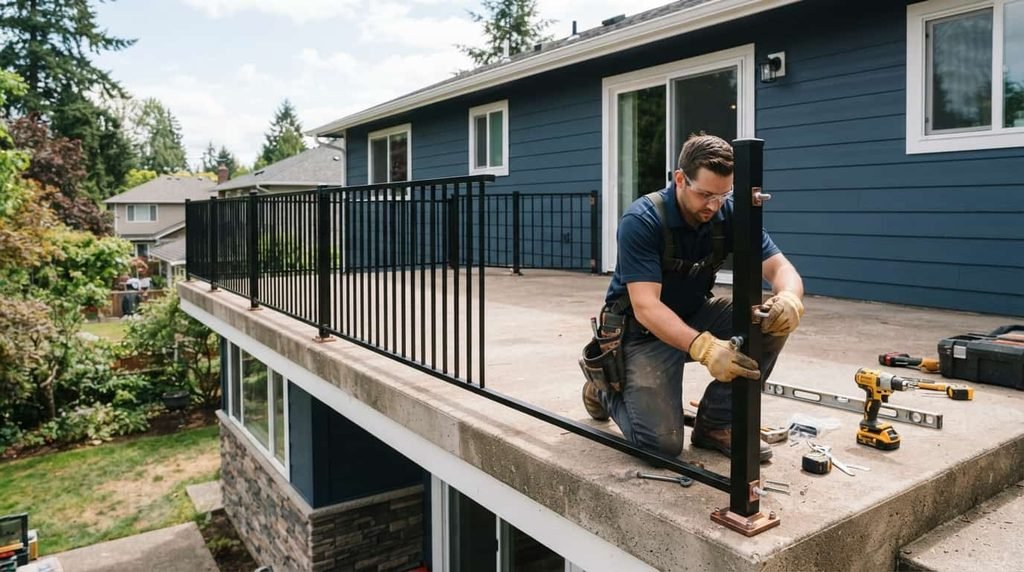
Before buying a new railing system, confirm that it works with the actual balcony structure.
Important questions include:
- Where will the railing attach?
- Is the balcony edge structurally sound?
- What mounting method does the system require?
- Does the product suit the site’s weather exposure?
- What measurements are required?
- Does the design meet applicable local requirements?
- Will the existing railing need to be removed?
- Are structural repairs needed first?
- Who will install the system?
Different railing systems can require different mounting configurations. A product that looks ideal in a photograph may not be appropriate for your particular balcony if its attachment requirements don’t match the structure.
What to Ask a Railing Installer
Before hiring someone, ask:
- What mounting method will you use?
- Does the existing structure need repairs?
- What components are included in the quote?
- Is removal of the old railing included?
- Who handles any required permits or inspections?
- Is the proposed system appropriate for my local environment?
- What maintenance will it require?
- What warranty applies to the materials and installation?
Getting these answers in writing can make quotes easier to compare.
Common Balcony Railing Mistakes to Avoid
1. Choosing Appearance Before Safety
A railing should complement your home’s exterior, but aesthetics should come after confirming that the system is suitable for the application.
2. Assuming Online Code Information Applies Everywhere
Building requirements can vary by jurisdiction and project. Verify the requirements that apply to your property.
3. Underestimating Maintenance
Consider what the railing will look like after years of exposure—not just how it looks when newly installed.
4. Forgetting About Privacy
An open railing may look excellent but leave you feeling exposed if the balcony faces neighbors or a busy area.
5. Ignoring the Local Environment
Rain, humidity, snow, UV exposure, and coastal air can affect materials and finishes differently.
6. Comparing Only the Railing Price
A low component price doesn’t necessarily mean a low project cost. Installation, removal, repairs, hardware, and custom work can significantly change the final amount.
7. Reusing Old Attachment Points Without Checking Them
Existing mounting locations may not be suitable for a different railing system.
8. Ignoring the Balcony Structure
If the supporting structure has a problem, installing a new railing without addressing it doesn’t solve the underlying issue.
9. Choosing a Bulky Design for a Small Balcony
A visually heavy railing can make a compact outdoor space feel even smaller.
10. Ordering Before Confirming Measurements
Custom railing components should be ordered only after the necessary dimensions and installation requirements have been confirmed.
Frequently Asked Questions About Balcony Railing
What is the best material for a balcony railing?
There isn’t one material that’s right for every balcony. Glass and cable can work well when preserving views is important, while aluminum can suit homeowners seeking relatively low maintenance. Wood and decorative metal may be better visual fits for traditional homes.
What type of balcony railing gives the best view?
Glass and cable railing generally provide relatively open sightlines. Glass creates a more continuous visual barrier, while cable uses thin horizontal elements. Both have trade-offs involving privacy, maintenance, appearance, and cost.
Are glass balcony railings safe?
A properly designed and installed glass railing can be used as a balcony guard system, but safety depends on the complete system. The glass, hardware, structural attachments, installation, and applicable requirements all matter.
How often should balcony railings be maintained?
There is no universal maintenance schedule. The appropriate frequency depends on the material, finish, weather exposure, and manufacturer’s instructions. Regular visual inspections can help identify loose, damaged, or deteriorating components before problems become more serious.
Can you replace an existing balcony railing?
Often, an existing railing can be replaced, but the supporting structure and attachment points need to be suitable for the new system. If the existing railing is loose or the balcony edge is deteriorated, those issues should be addressed before replacement.
Do balcony railings require permits?
Permit requirements depend on the location and scope of the project. Check with your local building department before beginning work rather than assuming a permit is or isn’t required.
What balcony railing is best for privacy?
Frosted or patterned glass, privacy panels, decorative screens, and more enclosed designs can provide more privacy than clear glass or cable systems. The right choice depends on how much privacy you need and how much light and airflow you want to retain.
What railing is best for a small balcony?
A slim-profile or visually open design can help a small balcony feel less crowded. Glass and cable systems can preserve sightlines, while a targeted privacy screen can be added if the balcony faces nearby properties.
Final Thoughts
Choosing a balcony railing is a balance between safety, appearance, maintenance, privacy, durability, and cost.
Start by looking at the balcony itself: its size, structure, location, weather exposure, and how you plan to use it. Then compare railing materials and designs based on those conditions.
If you want to preserve a scenic view, glass or cable may be worth considering. If low maintenance is important, explore suitable metal options. If you’re after a traditional appearance, wood or decorative metal may fit the home’s architecture better.
Most importantly, don’t treat the railing as an isolated decorative feature. Confirm the supporting structure, installation requirements, and applicable local rules before purchasing. That extra planning can help you choose a railing that looks right and works properly for the space.
Related resources: How to Upgrade Home Security: 7 Proven Safety Tips · 21 Laundry Room Organization Ideas You’ll Love
Related resource: Home Renovation on a Budget: 12 Smart Ways to Cut Costs