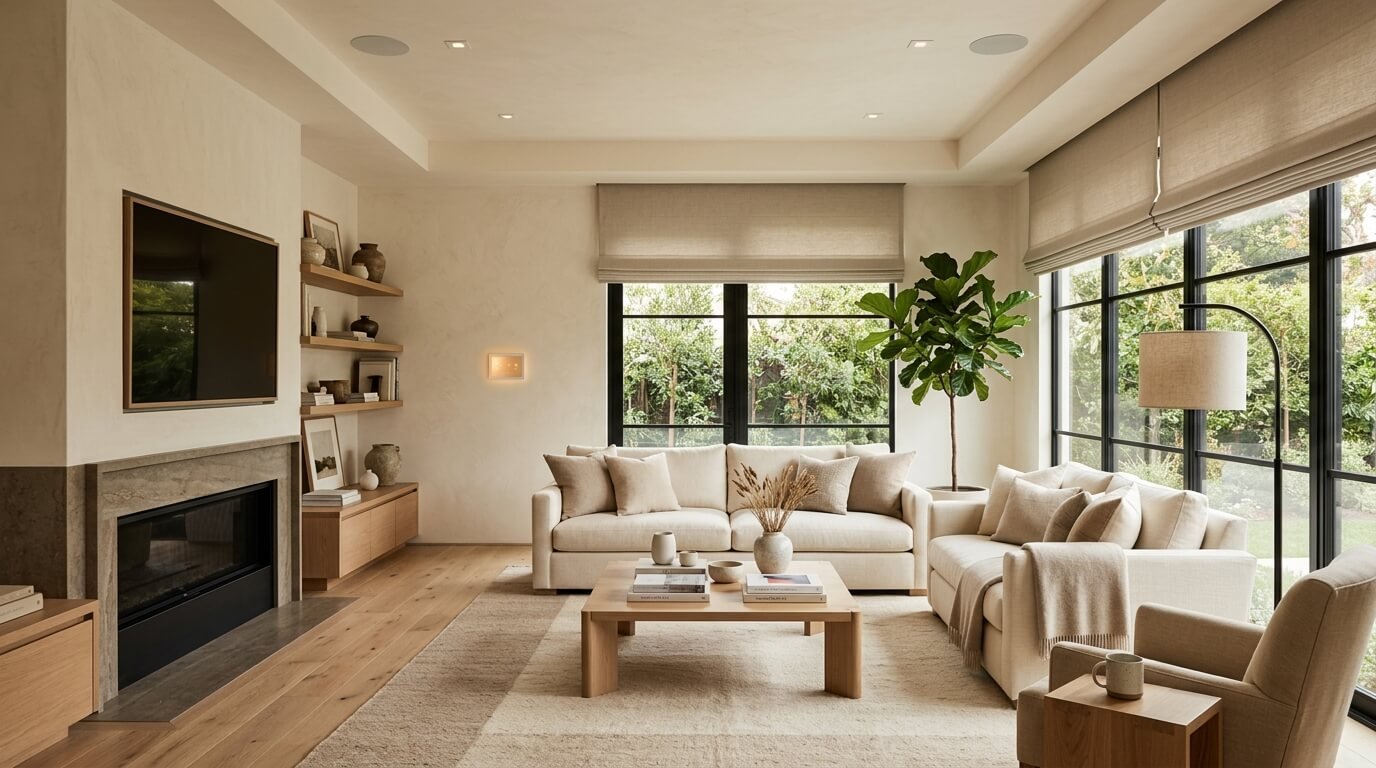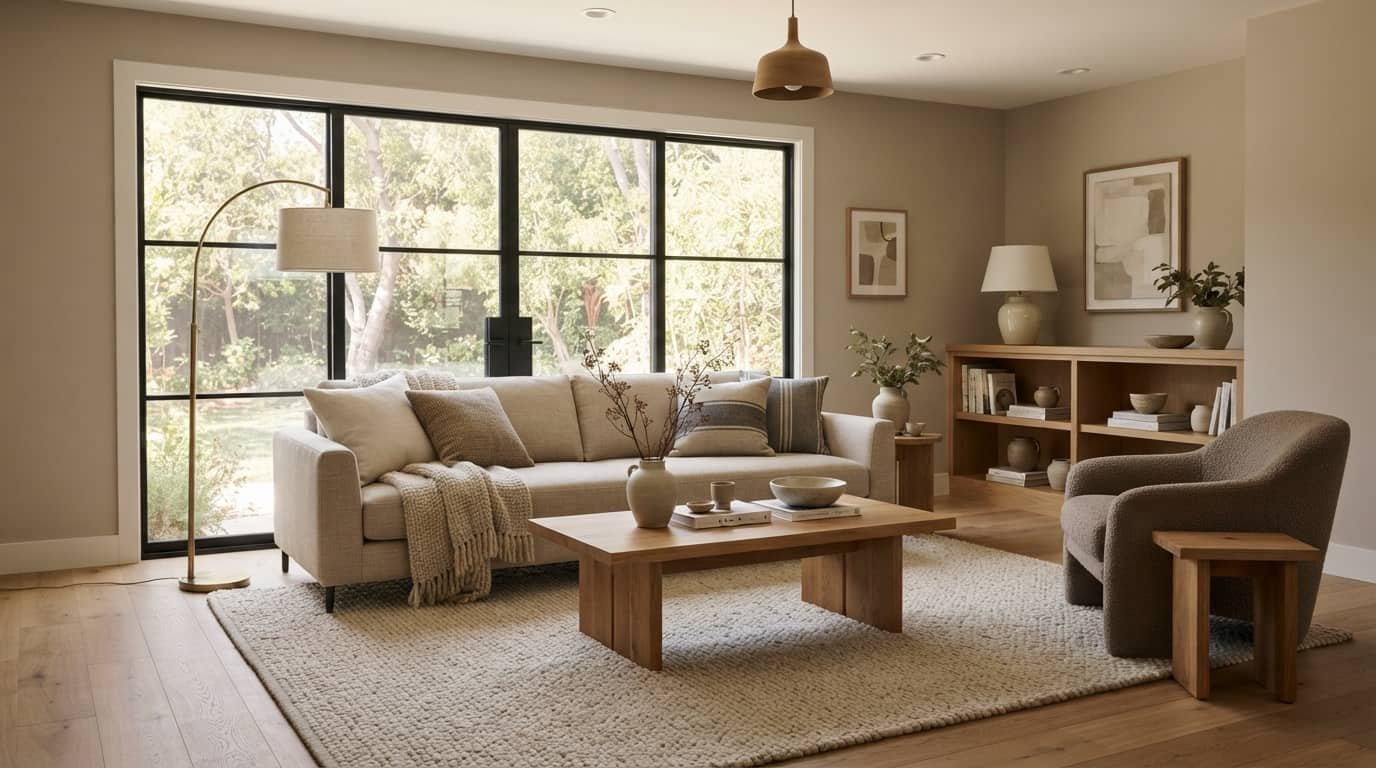

Board and batten wall ideas offer a simple way to add depth, structure, and architectural character to an ordinary wall. With decorative trim, a thoughtful layout, and the right paint color, you can create anything from a classic white feature wall to a bold, modern geometric design.
The best approach depends on your room’s size, existing decor, budget, and how much of the wall you want to cover. These 17 ideas explore different styles for bedrooms, living rooms, dining areas, bathrooms, and entryways, along with practical advice for choosing materials, planning batten spacing, and preparing for a DIY project.
What Is a Board and Batten Wall?
Board and batten is a decorative wall treatment that uses boards or flat panels with narrow strips, called battens, to create a raised pattern. Traditional designs often feature vertical lines, while contemporary versions include square grids, contrasting colors, and mixed-material finishes.
You can install the treatment across an entire wall or use it on the lower portion as wainscoting. The finished appearance depends on the proportions of the panels, the width of the battens, and the relationship between the trim and surrounding decor.
Before selecting a design, consider your ceiling height, wall dimensions, furniture placement, and the condition of the existing surface. These details will help you choose a pattern that looks intentional rather than crowded.
17 Ideas for Board and Batten Walls in Every Room
1. Classic White Board and Batten
White board and batten remains a versatile option for traditional, farmhouse, and transitional interiors. The raised trim adds subtle shadows and texture without introducing a strong color contrast.
Pair it with natural wood furniture, neutral upholstery, woven baskets, or framed artwork. A warm white can complement cream and beige furnishings, while a cooler white may suit a room with crisp white finishes.
When you desire architectural detail without making the wall the focal point, this style works especially well in living rooms, corridors, and bedrooms.
Styling tip: Test your chosen white alongside the existing baseboards, doors, and window trim. Differences in undertone can become noticeable when the colors sit next to each other.
2. Modern Monochrome Board and Batten
For a contemporary look, paint the battens and surrounding wall the same color. This monochrome approach emphasizes the pattern’s depth and shadow rather than relying on contrasting shades.
Warm white, soft greige, muted taupe, and pale gray are possible choices. Keep the surrounding furniture relatively simple so the wall treatment has room to stand out.
This design suits minimalist bedrooms, modern living rooms, and smaller spaces where a high-contrast pattern might feel too busy.
3. Warm Neutral Board and Batten
Beige, mushroom, sand, and greige shades bring warmth to a room while keeping the overall palette restrained. They can work particularly well with oak furniture, cream upholstery, linen curtains, and natural textures.
Select a paint colour that complements an existing feature in the space to create a cohesive finish. For example, a warm greige wall can complement a wood coffee table and beige sofa without requiring every surface to match exactly.
Styling tip: Check large paint samples under both daylight and artificial lighting before making your final choice.
4. Sage Green Board and Batten

Sage green offers a muted alternative to traditional white paneling. Depending on its undertone, it can feel earthy, soft, or slightly cool.
Use it behind a bedroom headboard, on a living room feature wall, or in a reading corner. Cream textiles, natural wood, and simple botanical artwork can complement the color without competing with the raised trim.
If your room already contains green furniture or patterned fabrics, compare the paint samples with those items before settling on a shade.
5. Navy Blue Board and Batten

Navy blue creates a dramatic focal point and provides contrast against lighter furnishings. It can be particularly effective in a dining room, home office, or bedroom where you want a more defined visual feature.
Combine navy paneling with warm wood, cream upholstery, or restrained metallic accents. In a bedroom, lighter bedding can balance the darker wall; in a dining room, natural wood furniture can keep the palette from feeling overly formal.
Before painting a large wall, test the color in different lighting conditions. Deep blues can appear substantially darker in rooms with limited daylight.
6. Charcoal or Black Accent Wall

Charcoal and black board and batten offer a stronger, more contemporary alternative to traditional white trim. The dark finish highlights the panel pattern and creates a backdrop for lighter artwork, furniture, and textiles.
A charcoal wall behind a bed or sofa can establish a focal point without requiring additional decorative elements. Warm lighting and natural materials can help balance the contrast.
For a small room, consider using the treatment on one wall rather than throughout the space. A simple pattern will also keep the result from looking too busy.
7. Half-Wall Board and Batten Wainscoting
Half-wall paneling covers the lower section of a wall while leaving the upper portion available for paint, wallpaper, artwork, or mirrors. It offers a traditional look without requiring full-height trim.
White wainscoting paired with a warm neutral upper wall is a classic combination. For a more contemporary finish, paint the paneling a muted green, blue, or deep gray.
This approach suits hallways, dining rooms, entryways, and bedrooms. It can also help establish a visual boundary between different areas of an open-plan space.
Planning tip: Decide the paneling height in relation to nearby furniture, windows, doors, and existing trim. Avoid choosing a height without checking how it will look across the entire wall.
8. Floor-to-Ceiling Board and Batten
Full-height board and batten creates a continuous pattern from the baseboard to the ceiling. It works well as a focal wall behind a bed, sofa, or dining area.
Vertical lines draw attention along the wall’s height, while the paint color determines how prominent the treatment feels. Light neutrals create a restrained finish; darker shades make the wall more visually striking.
In rooms with low ceilings, use a simple layout and avoid excessive visual contrast if you want the wall to feel relatively light.
Before installation, measure the wall height carefully and plan how the battens will meet the baseboard and upper trim.
9. Board and Batten Bedroom Accent Wall
A board and batten bedroom accent wall can give the area behind a bed a finished appearance without decorating every wall.
Choose a layout that relates to the bed and headboard. If the bed is centered, arrange the pattern to look balanced around it. If the headboard is wide, check that important vertical lines will not disappear behind bedside tables or lamps.
Soft white, sage green, warm beige, and muted blue are all possible starting points. The best color will depend on your bedding, flooring, lighting, and existing furniture.
For a coordinated bedroom, repeat one or two colors from the wall treatment in the bedding or accessories rather than introducing several competing shades.
10. Board and Batten Dining Room
Board and batten can give a dining room a more structured appearance and create a backdrop for the table and lighting.
Half-wall paneling works well when you want to display artwork or wallpaper above it. Full-height paneling creates a stronger visual statement, especially on the wall behind a dining table.
Consider deep green, navy, warm white, or a neutral shade that complements the furniture. If your dining room already has patterned wallpaper or distinctive flooring, a simpler panel design can help maintain balance.
Planning tip: Consider the table position, pendant light, windows, and doorways together. A panel layout that relates to these features will generally feel more deliberate than one planned without reference to the room.
11. Board and Batten Bathroom

Board and batten can add character to a powder room or a suitable bathroom wall. Muted green, blue-gray, and white finishes can complement a vanity, mirror, and simple hardware.
Material selection matters more in bathrooms than in ordinary living spaces. Repeated moisture exposure can damage unsuitable wood products, joints, and paint finishes, particularly around sinks, tubs, and showers.
Choose materials and coatings intended for the conditions in which they will be used. Follow the manufacturer’s installation instructions and do not treat decorative paneling as a substitute for appropriate waterproofing in a shower or another wet area.
For a bathroom that receives frequent splashes, prioritize moisture resistance and cleanability over appearance alone.
12. Entryway Board and Batten With Hooks
An entryway can combine decorative paneling with practical storage. Add coat hooks, a narrow bench, or baskets to create a designated place for bags, jackets, shoes, and everyday essentials.
White paneling provides a classic backdrop, while muted green or navy can give the space more personality. A top rail can also help define the paneling’s upper edge.
Before attaching hooks, determine how they will be fastened to the wall. Decorative battens alone should not be assumed to support heavy coats or bags.
This layout works well in foyers, mudrooms, and compact entryways where a single wall needs to serve several purposes.
13. Living Room Board and Batten Focal Wall
A board and batten accent wall can help define the seating area in a living room, particularly in an open-plan home.
Place the treatment behind the sofa, around a suitable fireplace wall, or on another wall that naturally draws attention. Choose the pattern according to what the wall needs to accommodate, including artwork, a television, shelves, or lighting.
If you plan to mount a television, map out the screen and mounting hardware before finalizing the batten positions. This avoids awkward lines behind the screen and helps preserve access to cables and outlets.
A neutral wall works well with colorful furnishings, while a deeper shade can create contrast in a room with pale upholstery.
14. Home Office Board and Batten Backdrop
A home office accent wall can help distinguish a workspace from the rest of the room. It can also provide a more considered background for video calls.
Muted green, blue-gray, beige, and charcoal are useful options, depending on your furniture and lighting. Keep the arrangement behind your desk simple enough that shelves, monitors, and artwork do not compete with the panel pattern.
Check the wall from your normal camera position before installing the trim. The pattern should look balanced within the camera frame as well as from across the room.
15. Board and Batten With Wallpaper
Combining board and batten with wallpaper creates a contrast between raised trim and a printed surface. You can use paneling on the lower wall and wallpaper above it, or incorporate wallpaper into selected panel sections.
Botanical prints, subtle geometrics, and small-scale florals can work well with simple trim. If the wallpaper has a bold pattern, a restrained panel color will help the two treatments work together.
Choose the wallpaper and paint as a coordinated pair. Picking a panel color from one of the wallpaper’s less prominent shades can create a cohesive result without making everything look identical.
This combination suits bedrooms, dining rooms, and powder rooms where you want more pattern than paint alone can provide.
16. Geometric Grid Board and Batten
A geometric grid uses vertical and horizontal trim to create square or rectangular panels. Compared with a basic vertical design, the extra horizontal lines produce a more structured, formal appearance.
The panel proportions should suit the wall. Numerous small sections may look busy on a large wall, while a few oversized panels can feel sparse on a narrow surface.
A symmetrical grid can work well in dining rooms, entryways, and formal bedrooms. For a contemporary look, consider painting the entire treatment one color so the geometry comes through in the shadows.
Sketch the wall to scale before cutting materials. Include windows, outlets, doors, and furniture so the finished pattern does not end abruptly in an awkward location.
17. Budget-Friendly DIY Board and Batten
A straightforward DIY board and batten wall can provide architectural detail without the complexity of an elaborate grid or a full-room installation.
Start with one accent wall and a simple pattern. Compare suitable trim materials, calculate the number of battens required, and include finishing supplies in your budget.
Your total cost will depend on the wall dimensions, material choice, tools you already own, surface preparation, and whether you need to remove existing trim or repair the wall.
Before beginning, plan for measuring, cutting, secure attachment, filling nail holes, treating joints, priming where required, and painting. Finishing work contributes significantly to the appearance of the completed wall.
Renters should check their lease and consider removable alternatives or freestanding decorative panels before making permanent changes.
Board and Batten Wall Ideas: How to Choose Paint Colors
The right paint color should relate to the room’s existing finishes rather than being selected in isolation.
Consider these combinations:
- White with natural wood: A classic option for traditional, farmhouse, and transitional interiors.
- Warm beige or greige with cream: Creates a coordinated neutral palette.
- Sage green with oak: Adds muted color while complementing natural materials.
- Navy with light upholstery: Creates contrast and a stronger focal point.
- Charcoal with warm lighting: Suits contemporary spaces with a restrained color scheme.
- Matching wall and trim colors: Emphasizes the texture of the paneling without adding a separate color.
Test paint samples in the actual room and check them at different times of day. Consider the undertones of your flooring, furniture, and existing trim.
The paint finish also matters. Follow the paint manufacturer’s guidance for the surface and location, particularly in rooms that need regular cleaning or experience moisture.
How to Plan Board and Batten Wall Spacing
Consistent spacing helps a panel design look balanced. However, there is no single measurement that works for every wall.
Start by measuring the usable wall width and choosing the number of panels you want. Account for the width of the battens and any end pieces, then calculate the remaining panel space.
For a simple layout with equal-width panels:
Panel width = (W − (N + 1) × B) ÷ N
Where:
- W is the usable wall width.
- N is the number of panels.
- B is the width of each vertical boundary batten, assuming a batten at both ends and between each panel.
For example, a 120-inch wall with four equal panels and five battens that are 3 inches wide would have panels measuring 26.25 inches each.
The calculation is a planning example, not a universal design recommendation. Actual spacing should reflect the wall’s proportions and any features that interrupt the pattern.
Before cutting the material:
- Draw the wall and mark the doors, windows, outlets, and other obstacles.
- Choose the number of panels and the width of the battens.
- Calculate the panel widths and check the margins at each end.
- Mark the positions on the wall and review the layout from across the room.
- Adjust the pattern before cutting if a batten conflicts with an important feature.
For a grid design, plan the horizontal rails as well as the vertical battens. Consistent proportions across both directions will help the pattern look intentional.
What to Consider Before Installing Board and Batten
A little preparation can prevent wasted material and unnecessary rework.
Check the wall condition. Repair significant damage and address uneven surfaces before installing decorative trim. Raised battens can make differences in alignment more noticeable.
Choose suitable materials. Solid wood, MDF, and other trim products have different finishing and moisture limitations. Select a material appropriate for the room and follow the manufacturer’s guidance.
Plan around existing trim. Baseboards, window casings, door frames, and electrical outlets can affect the layout. Decide how the battens will meet these features before cutting.
Prepare for finishing. Depending on the materials and installation method, the project may require filling, sanding, caulking, priming, and painting.
Secure the trim appropriately. Choose fastening methods suitable for the wall construction. Do not rely on decorative battens alone to support heavy mounted objects.
Account for the full project cost. Include trim, fasteners, adhesive where appropriate, filler, caulk, primer, paint, and any tools or repairs you need.
Common Board and Batten Design Mistakes to Avoid
Even a simple wall treatment can look unfinished if the layout and details are overlooked.
- Choosing spacing by eye: Measure the panel positions so the gaps remain consistent.
- Ignoring wall openings: Plan around windows, doors, outlets, and vents instead of allowing the pattern to end awkwardly.
- Using too many competing details: Complex grids, bold paint, and busy wallpaper may compete with each other.
- Skipping surface preparation: Visible seams, uneven joints, and unfilled nail holes can affect the final finish.
- Choosing paint without testing it: A color may look different under the room’s actual lighting.
- Using unsuitable bathroom materials: Match the material and finish to the level of moisture exposure.
- Forgetting furniture placement: A pattern may be partly hidden by a bed, sofa, desk, or cabinet if the layout is not planned in advance.
- Overlooking rental restrictions: Confirm what changes are permitted before installing permanent trim or using adhesives that could damage the wall.
Frequently Asked Questions
Are board and batten walls still in style?
Board and batten remains a versatile wall treatment because its appearance can be adapted to traditional, farmhouse, transitional, and contemporary interiors. The proportions, color, and surrounding decor determine whether the finished look feels classic or modern.
What room is best for a board and batten accent wall?
Bedrooms, living rooms, dining rooms, and entryways are common choices. The most suitable wall is usually one with a clear purpose, such as the area behind a bed, sofa, dining table, or entryway bench.
Is board and batten suitable for small rooms?
Yes. A simple pattern with restrained colors can work in a small room. Consider the wall’s dimensions and furniture placement, and avoid adding so many narrow panels or contrasting colors that the design feels crowded.
How far apart should board and batten strips be?
Spacing depends on the wall width, batten dimensions, panel count, and design. Measure the usable wall, calculate the panel widths, and review the layout around windows, doors, and other obstacles before cutting the trim.
Can you install board and batten on a budget?
Yes. A single accent wall with a straightforward pattern can help control material use and complexity. Your actual cost will depend on the wall size, material choice, finishing supplies, and whether you already have the necessary tools.
Can board and batten be used in a bathroom?
It can be used on suitable bathroom walls when the materials, coatings, and installation method are appropriate for the moisture conditions. Decorative paneling should not replace the waterproofing required in a shower or other wet area.
Can renters create a board and batten look?
Renters can consider removable wall treatments or freestanding decorative panels. Permanent trim, adhesives, and repainting may affect the wall surface or violate lease conditions, so check the property’s rules before starting.
Conclusion
The best board and batten wall ideas combine a design you love with a layout that suits your room. White and warm neutrals offer a restrained finish, while sage, navy, and charcoal create a stronger focal point. Half-wall paneling, full-height trim, wallpaper combinations, and geometric grids provide different ways to introduce architectural detail.
Before buying materials, choose the wall, test your paint color, and map out the panel spacing. If you are new to DIY projects, start with a straightforward accent wall and account for preparation and finishing supplies in your budget. Careful planning will help you create a result that feels considered and works with the rest of your home.
Related resource: Cheap Backsplash Ideas for Renters: 9 Budget-Friendly Options