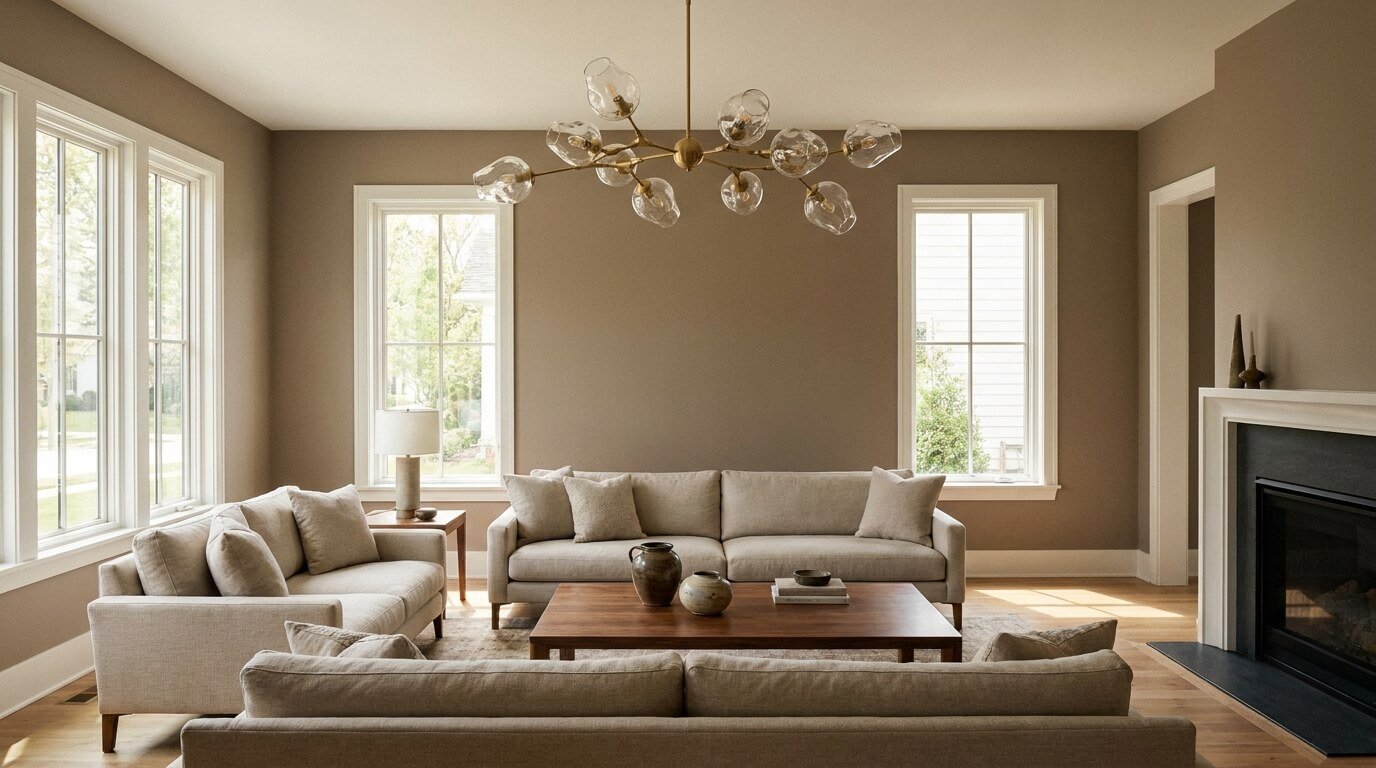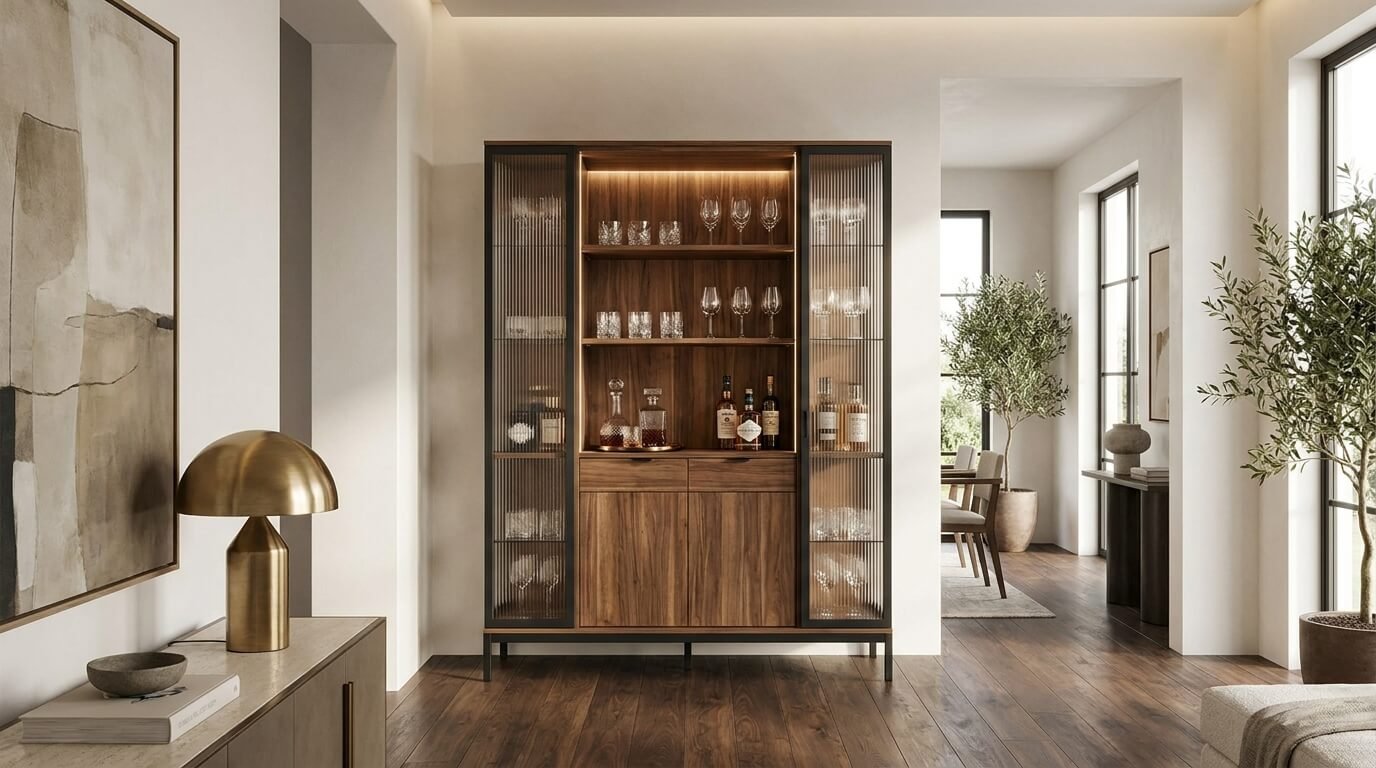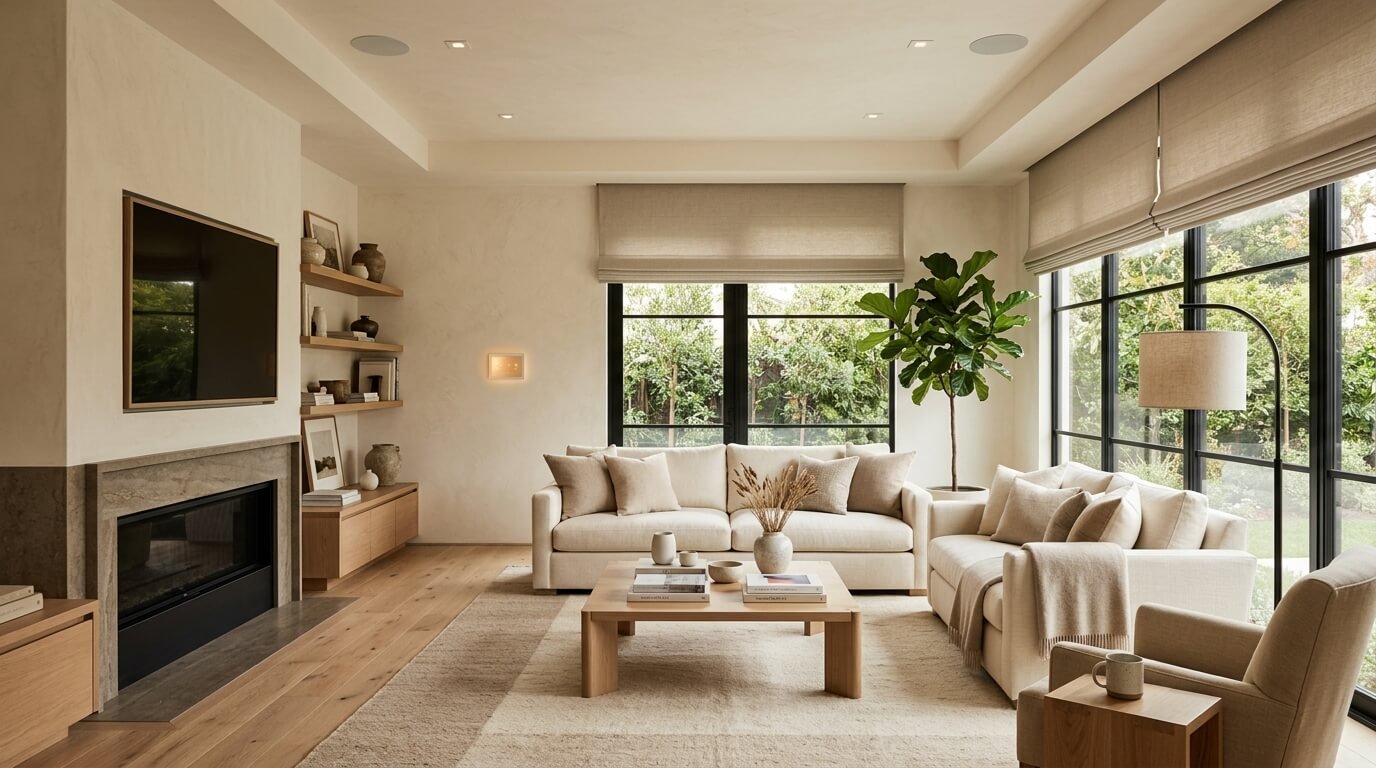
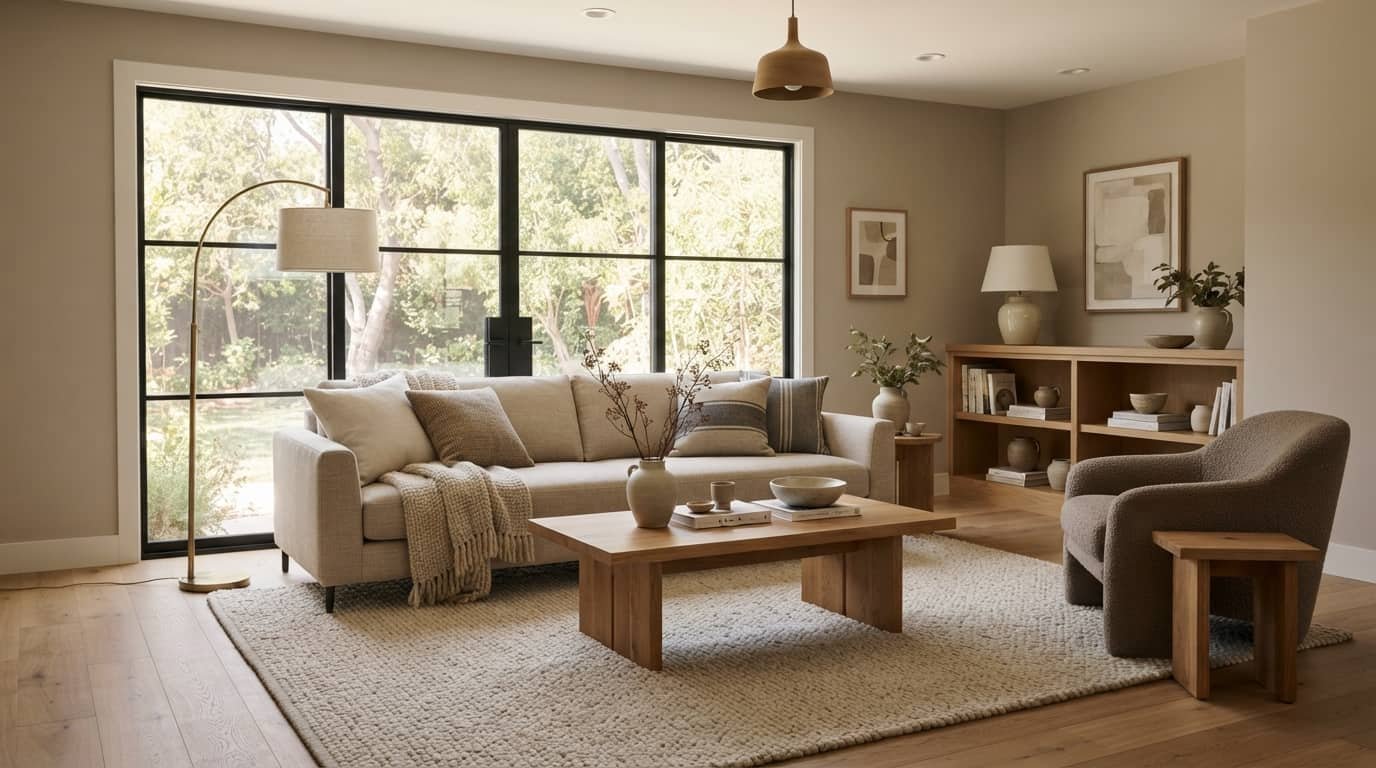
Modern home decor doesn’t have to mean a cold, all-white room with barely anything in it.
The most inviting modern spaces combine clean lines and simple forms with warm materials, comfortable textures, thoughtful lighting, and a few personal details. The result feels organized and current without looking like a furniture showroom.
You also don’t need to replace everything you own to get the look. Sometimes changing the lighting, simplifying a busy wall, adding a large rug, or introducing natural wood can make a bigger difference than buying a whole new furniture set.
If you’re refreshing your home, these 15 modern home decor ideas can help you create a space that feels clean, comfortable, and genuinely yours.
What Makes a Home Look Modern?
Modern style is less about following a strict decorating formula and more about creating visual balance.
Clean-lined furniture, uncluttered surfaces, a restrained color palette, natural materials, and purposeful lighting are common elements. But warmth matters too. Wood, woven fabrics, rugs, plants, artwork, and personal objects can prevent the space from feeling overly stark.
A useful rule is to think about balance rather than perfection.
If you have a sleek sofa, add something soft. If most of the room is neutral, introduce a little contrast. If the furniture is angular, consider a rounded accent such as a circular coffee table or curved mirror.
That combination creates a modern room that still feels comfortable to live in.
15 Modern Home Decor Ideas to Try
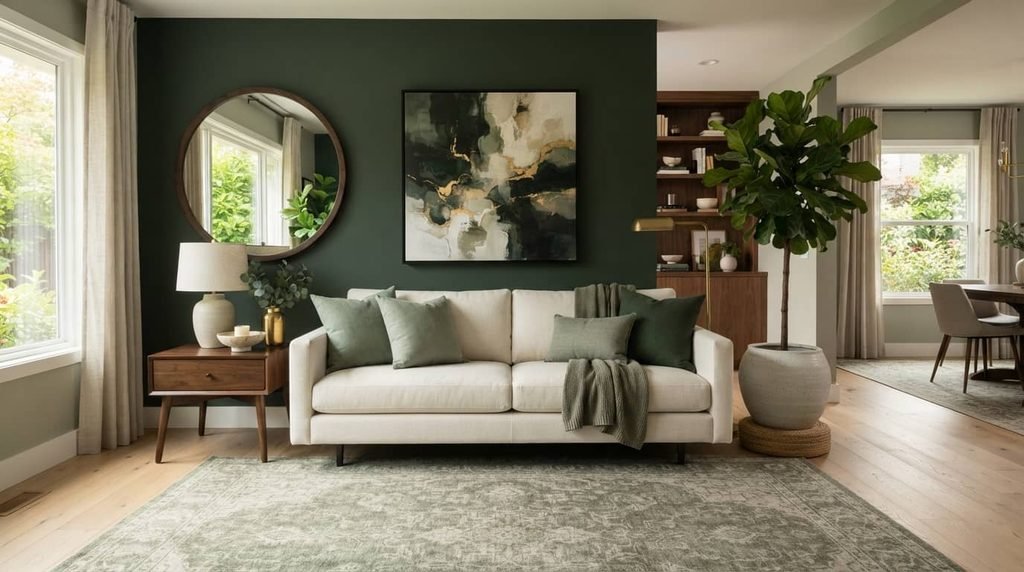
1. Build Your Room Around a Simple Color Palette
Color is one of the easiest ways to establish a modern look.
Start with a base color such as warm white, cream, beige, taupe, or a soft gray. Then introduce one or two supporting shades rather than filling the room with unrelated colors.
For example, cream walls, a beige sofa, natural wood furniture, and muted green accents can feel calm without being boring.
You don’t have to avoid strong colors completely. A deep blue chair, earthy terracotta vase, or dark green cushion can create contrast while keeping the overall palette controlled.
Simple formula: one main neutral + one supporting color + one accent.
2. Choose Furniture With Clean, Comfortable Lines
Furniture has a major effect on the overall style of a room.
Look for pieces with simple silhouettes rather than excessive ornamentation. A streamlined sofa, uncomplicated dining table, or flat-front cabinet can immediately make a space feel more contemporary.
But don’t choose furniture based on appearance alone.
Measure before buying.
Check the furniture’s width and depth, the available floor space, doorways, and walking paths. A beautiful sofa that overwhelms the room won’t make the space feel better.
Comfort matters just as much. Modern furniture should still work for the way you actually use your home.
3. Bring in Natural Wood for Warmth
Natural wood is an easy way to soften a modern interior.
Try an oak dining table, walnut coffee table, wood shelving, or a simple wooden stool. The warmth of wood works especially well with neutral walls and upholstery.
You don’t need every wooden item to come from the same collection.
Instead, repeat similar wood tones in a few places so they feel connected. A wood coffee table paired with a wood picture frame and small wooden accent can create enough repetition without making everything match.
4. Layer Textures Instead of Adding More Decor
A neutral room can still feel rich when different textures are working together.
Combine smooth and rough, soft and structured materials.
For example:
- Linen curtains
- A woven rug
- Cotton cushions
- A wooden table
- Ceramic accessories
- Upholstered seating
- A metal light fixture
This creates depth without filling every surface with decorations.
Texture is particularly useful when your color palette is simple because it gives the eye something to notice without introducing lots of extra colors.
5. Use Layered Lighting
One ceiling light rarely creates the best atmosphere on its own.
Think about lighting in layers.
Ambient lighting provides general illumination.
Task illumination facilitates tasks including working, cooking, and reading..
Accent lighting highlights artwork, shelving, architectural features, or decorative areas.
A living room, for example, might combine an overhead fixture with a floor lamp beside the sofa and a small lamp on a side table.
When choosing fixtures, consider their size as well as their appearance. A tiny pendant can disappear over a large dining table, while an oversized fixture may dominate a small room.
6. Make One Large Artwork the Focal Point
A large piece of artwork can give a modern room a clear visual anchor.
Instead of putting several unrelated decorations on a wall, consider one substantial painting, photograph, print, or abstract piece above a sofa, console, or bed.
Pay attention to proportion.
Artwork that is too small for a large wall can look disconnected from the furniture underneath it. If you prefer smaller pieces, group them together so they read as one intentional arrangement.
Choose artwork because you actually like it. It’s not necessary for your house to resemble everyone else’s.
7. Use Mirrors Where They Actually Help
A mirror can be both decorative and practical.
A large mirror can reflect light and make a room feel more open, particularly when positioned where it catches daylight or reflects an attractive part of the room.
For a modern look, simple frames tend to work well. Black metal, natural wood, or a minimal frameless design can all suit contemporary interiors.
Before hanging a mirror, check what it will reflect.
A mirror facing a cluttered corner won’t necessarily improve the room. Aim it toward a window, artwork, attractive lighting, or another visually pleasing feature when possible.
8. Add Plants for Natural Color and Texture
Indoor plants can soften the straight lines and hard surfaces often found in modern interiors.
You don’t need lots of plants. One larger plant in an empty corner can have more impact than several tiny pots scattered around the room.
For smaller spaces, place a compact plant on a shelf, side table, or windowsill.
Choose plants according to the light and conditions available in your home rather than choosing solely by appearance. A plant that suits its location is much easier to maintain.
9. Use a Rug to Connect the Furniture
A rug can make a furniture arrangement feel much more intentional.
In a living room, choose a size that visually connects the sofa, chairs, and coffee table rather than leaving the rug floating by itself in the center.
A rug can also introduce texture, pattern, or a subtle color without changing the entire room.
If your furniture and artwork already make strong statements, choose a quieter rug. If the room feels plain, a restrained pattern can provide useful visual interest.
10. Mix Straight and Curved Shapes
A room filled entirely with straight lines can feel rigid.
Introduce some curves to create contrast.
Try pairing:
- A rectangular sofa with a round coffee table
- Straight shelving with a curved lamp
- A structured cabinet with a rounded mirror
- Angular artwork with a circular side table
You don’t need lots of curved furniture. One or two softer shapes can be enough to change the feel of the room.
11. Keep Storage Simple and Functional
Clutter can quickly make a carefully designed room feel unfinished.
Modern interiors often benefit from storage that keeps everyday items organized without becoming a visual focal point.
Closed cabinets, baskets, drawers, storage ottomans, and simple shelving can all help.
However, don’t hide everything.
A few books, ceramics, photographs, or decorative objects can make a room feel personal. The goal isn’t to remove every visible item; it’s to make the items that remain feel intentional.
12. Choose One Accent Color
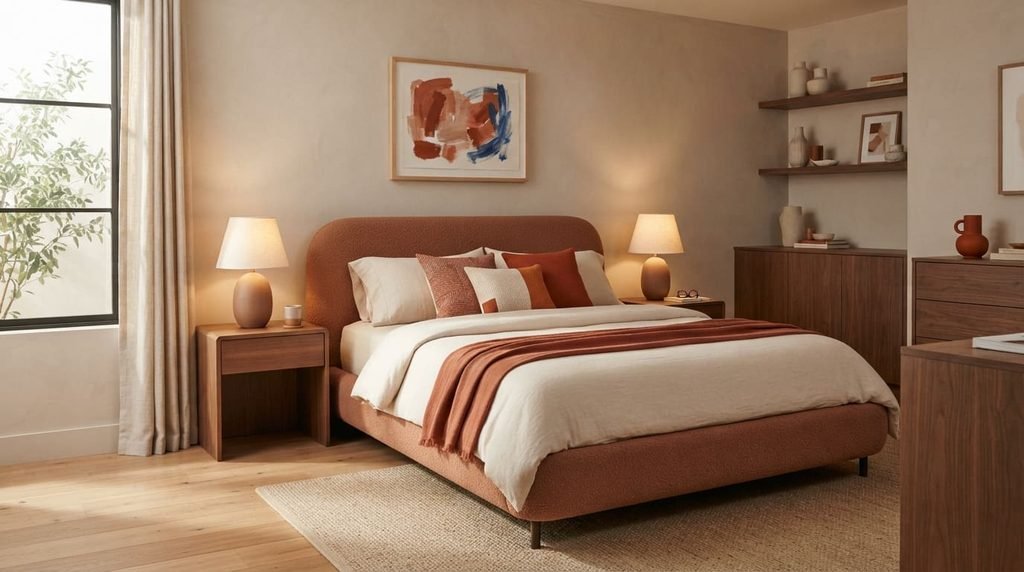
If your room is mostly neutral, a single accent color can add personality.
You could introduce muted olive green, navy, terracotta, burgundy, or another shade that works with your existing palette.
The important part is repetition.
Instead of using the accent color on one huge feature wall and nowhere else, repeat small touches throughout the room. A cushion, artwork detail, vase, and throw can create a visual connection.
This approach gives you flexibility too. If you eventually want to change the accent color, you can replace smaller accessories without redesigning the entire room.
13. Leave Some Empty Space
One of the simplest modern decorating techniques is knowing when to stop.
Not every shelf needs to be full. Not every wall needs artwork. Not every corner needs furniture.
Empty space allows important pieces to stand out.
Before buying another accessory, step back and look at the room as a whole. If the space already feels balanced, adding more may actually make it feel less polished.
This is especially helpful in small homes, where too many decorative pieces can make the room feel crowded.
14. Mix Modern Pieces With Personal Items
A modern room shouldn’t look like it came straight from a showroom.
Personal belongings give the space character.
Display a favorite photograph, an interesting book collection, a meaningful object, inherited furniture, or artwork you genuinely enjoy.
Older pieces can work surprisingly well with modern furniture. A traditional wooden chair beside a contemporary sofa, for example, can create more personality than a room where every item has exactly the same style.
The trick is to create a connection through color, material, or proportion.
15. Repeat Materials to Make the Room Feel Cohesive
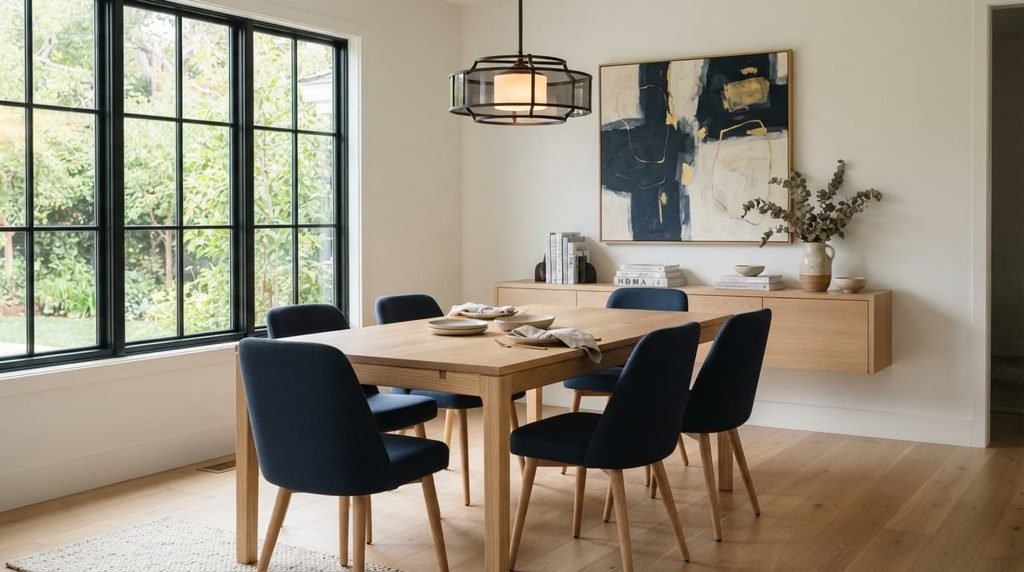
You can make a room feel more professionally put together simply by repeating a few materials.
If your living room has black metal lighting, introduce small black details elsewhere. If you have warm wood furniture, echo that tone through a frame, tray, or shelf.
This doesn’t mean buying matching sets.
Think of repeated materials as visual threads that connect separate parts of the room.
When colors and materials appear in more than one place, the room tends to feel more deliberate and cohesive.
How to Make Modern Decor Feel Warm and Cozy
If your room looks modern but feels a little cold, you probably don’t need more decoration. You may need more warmth and contrast.
Try these changes first:
- Add natural wood.
- Replace some cool tones with warmer neutrals.
- Layer rugs, cushions, curtains, or throws.
- Use multiple light sources instead of one bright overhead fixture.
- Add one or two plants.
- Introduce artwork with some color or texture.
- Include objects that have personal meaning.
- Remove pieces that don’t serve a practical or visual purpose.
The combination of clean structure and softer elements is often what makes contemporary spaces feel comfortable rather than sterile.
Modern Decor Ideas for Small Spaces
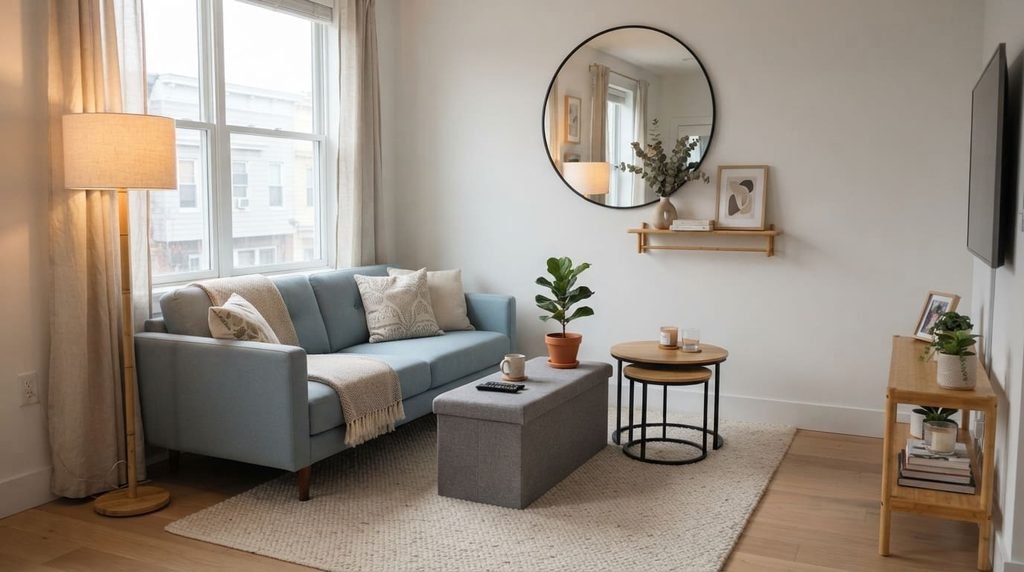
Modern styling can work particularly well in smaller homes because it encourages thoughtful furniture choices and less visual clutter.
If space is limited:
Choose furniture that fits the room
Avoid buying oversized pieces simply because they look impressive. Measure first and leave enough room for comfortable movement.
Use multifunctional furniture
A storage ottoman, nesting tables, extendable dining table, or bed with built-in storage can provide useful functions without requiring additional furniture.
Use vertical space
Tall shelving and wall-mounted storage can make use of available wall space while keeping more floor area open.
Be selective with accessories
Instead of decorating every surface, choose a few pieces with enough visual impact to earn their place.
Use mirrors thoughtfully
A well-positioned mirror can help reflect light and create a greater sense of openness.
Common Modern Home Decor Mistakes to Avoid
Making everything match
A room where every piece comes from the same style or collection can feel flat. Mix complementary shapes, materials, and finishes.
Buying furniture before measuring
Always measure the room and check access points before purchasing large furniture.
Using too many small decorations
Lots of tiny accessories can create clutter. A few larger or more meaningful pieces often have greater impact.
Relying only on overhead lighting
One ceiling fixture can leave parts of a room too dark and make the space feel less inviting. Add lighting at different heights.
Following trends too closely
A home should work for you, not just look current for a few months. Choose trends that fit your taste and existing furniture.
Forgetting comfort
A modern room still needs to be lived in. Don’t sacrifice comfortable seating, useful storage, or practical layouts just to achieve a particular look.
How to Refresh Your Home Without Redecorating Everything
You don’t need a large budget to make noticeable changes.
Start with the areas that have the greatest visual impact:
First: Remove clutter and unnecessary decorative items.
Second: Rearrange furniture to improve movement and conversation.
Third: Improve the lighting by adding a floor or table lamp.
Fourth: Add a rug, curtains, cushions, or another layer of texture.
Fifth: Introduce natural wood, greenery, or one piece of artwork.
Finally: Step back and decide what the room still needs and what it doesn’t.
This approach helps prevent unnecessary purchases and gives you a better idea of which changes actually improve the space.
Frequently Asked Questions
What is modern home decor?
Modern home decor generally emphasizes clean lines, simple forms, functional furniture, restrained colors, and intentional styling. Natural materials, comfortable textures, artwork, and plants can add warmth and personality.
How can I make my home look modern without buying new furniture?
Start by decluttering, rearranging your furniture, improving lighting, adding textiles, introducing plants, changing artwork, or using a new rug. Small changes can have a noticeable visual effect.
Is modern decor the same as minimalist decor?
No. The two styles can overlap, but they aren’t identical. Modern interiors can include artwork, decorative objects, plants, patterns, and personal belongings while still maintaining clean and organized styling.
What colors work well in a modern home?
Warm neutrals such as cream, beige, taupe, and soft gray are versatile choices. Earthy shades, deep greens, muted blues, and other controlled accent colors can add contrast.
How do I make a modern room feel cozy?
Add natural wood, soft textiles, rugs, plants, warm lighting, artwork, and personal objects. Mixing hard and soft textures can also make the space feel more comfortable.
How do I decorate a small home in a modern style?
Prioritize appropriately sized furniture, multifunctional pieces, simple storage, vertical space, and fewer but more useful decorative objects. Keeping walking areas open can also make a small room feel less crowded.
Final Thoughts
Modern home decor doesn’t require a complete makeover.
Start with the things that affect the room most: furniture scale, color, lighting, texture, and clutter. Once those basics are working, add personality through artwork, plants, natural materials, and objects you genuinely enjoy.
The goal isn’t to create a room that looks perfect in a photograph.
It’s to create a home that feels clean, comfortable, functional, and personal—with enough simplicity to feel modern and enough warmth to feel lived in.
Related resource: 15 Bedroom Organization Ideas That Actually Work