How To Decorate My House
Quick answer: To decorate your house, start by defining your style and setting a budget. Then work room by room, choosing a color palette, arranging furniture for function and flow, layering in lighting and textiles, and finishing with personal touches like art and plants. Small, intentional changes matter more than expensive splurges.
Decorating a home can feel overwhelming when you’re staring at blank walls and empty corners. Where do you begin? How much should you spend? And how do you make sure everything actually looks like it belongs together?
The good news is that great interior design follows patterns anyone can learn. You don’t need a degree or a designer on speed dial. You just need a clear plan, a few core principles, and the confidence to make choices that reflect how you want to live.
This guide walks you through the entire process—from finding your personal style to decorating each room and avoiding the mistakes that trip up first-timers. Whether you’ve just moved in or you’re refreshing a space you’ve lived in for years, you’ll finish with a practical roadmap you can start using today.
How do you find your interior design style?
Before you buy a single throw pillow, figure out what you actually like. This step saves you money and prevents the mismatched, “collected from a clearance bin” look that comes from impulse buys.
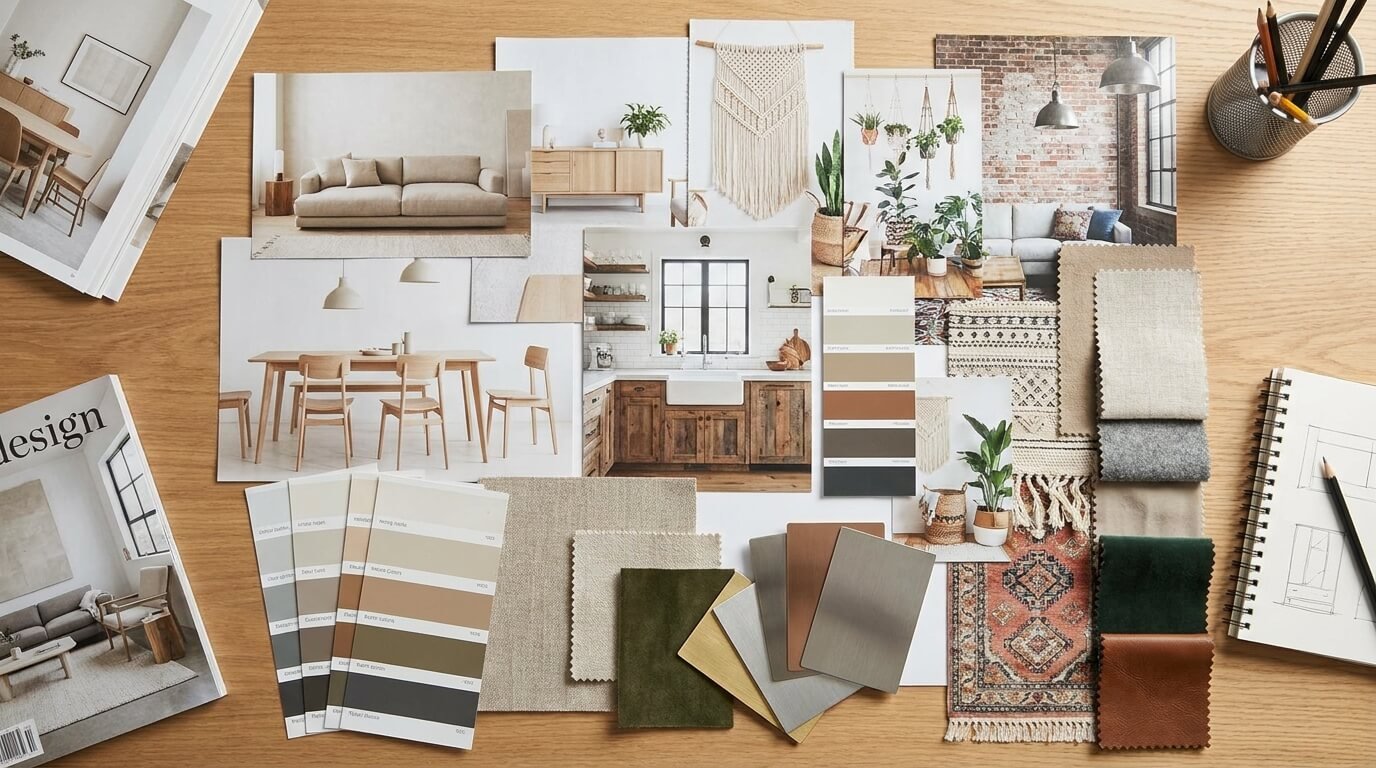
Start by gathering inspiration. Save images on Pinterest, screenshot rooms you love on Instagram, and note what draws you in. After 30 or 40 images, patterns emerge. Maybe you keep saving warm wood tones and soft neutrals, or perhaps bold colors and vintage furniture keep catching your eye.
Here are a few common styles to help you name what you’re drawn to:
- Minimalist: Clean lines, neutral colors, and clutter-free spaces where every item serves a purpose.
- Scandinavian: Light woods, cozy textiles, and a bright, airy feel with functional simplicity.
- Modern farmhouse: Rustic wood, white walls, and a mix of old and new for a warm, lived-in look.
- Mid-century modern: Retro furniture, organic shapes, and rich accent colors from the 1950s and 60s.
- Bohemian: Layered textures, plants, global patterns, and an eclectic, relaxed vibe.
- Industrial: Exposed brick, metal accents, and raw, unfinished materials.
You don’t have to pick just one. Many of the best-looking homes blend two or three styles. The goal is to have a direction so your purchases work together instead of competing.
How do you set a decorating budget?
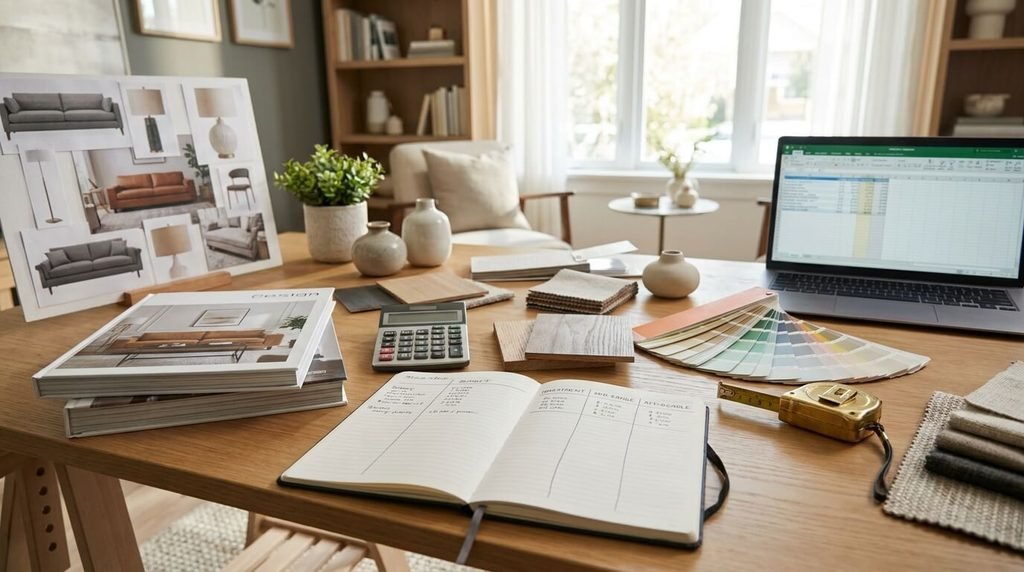
Money shapes every decorating decision, so decide what you can spend before you shop. A clear budget keeps you from overspending on one room and running out of cash for the rest.
Split your budget into three tiers:
- Invest pieces: Spend more on items you use daily and keep for years, like a sofa, bed, or dining table.
- Mid-range pieces: Rugs, lighting, and storage fall here—quality matters, but you don’t need the most expensive option.
- Budget pieces: Decorative items like pillows, vases, and art can come from affordable stores and swapped out easily.
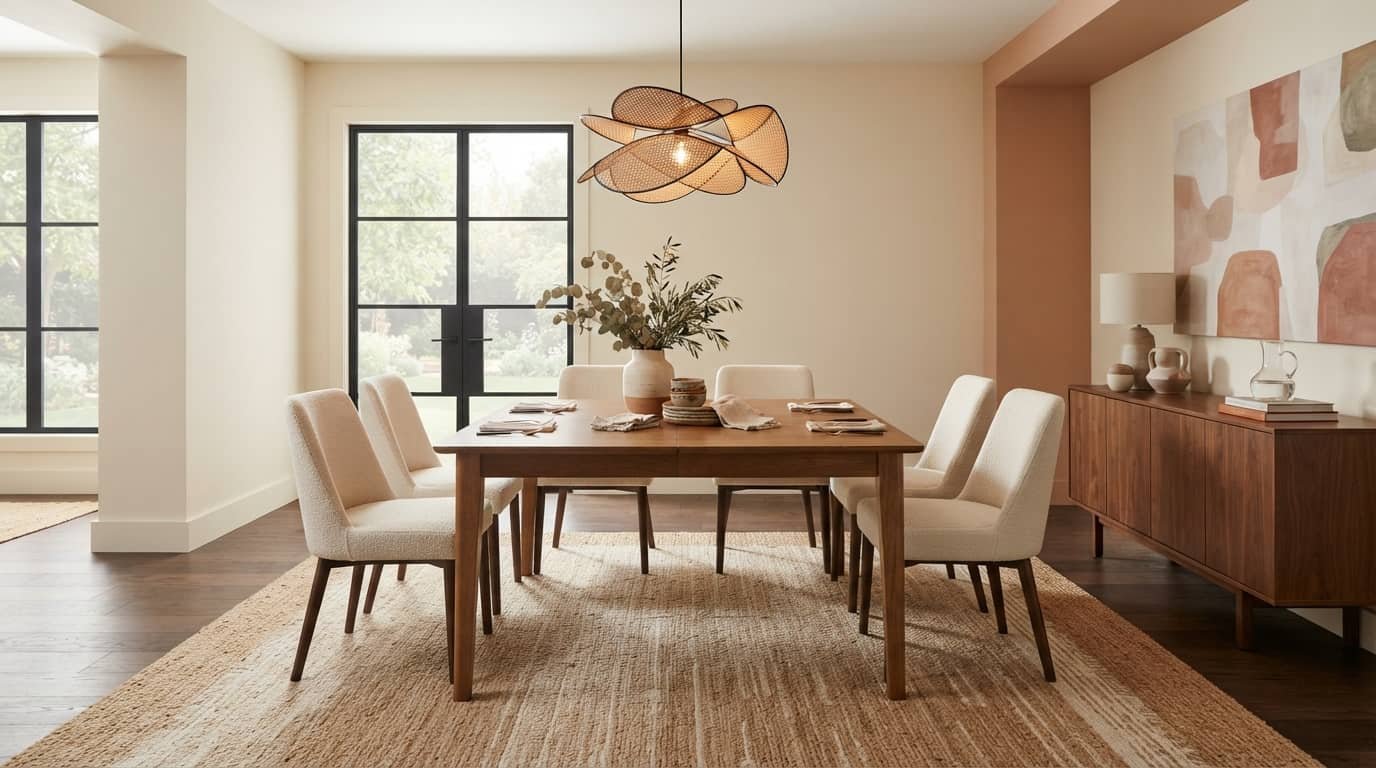
According to the interior design principle of “high-low decorating,” mixing expensive and inexpensive items creates a curated look without a designer price tag. A budget sofa can look elevated next to a well-chosen light fixture, and a thrifted frame can hold artwork that feels custom.
If your budget is tight, focus on one room at a time. A single finished space feels far better than several half-decorated ones.
How do you choose a color palette for your home?
Color sets the mood of every room, so choosing a palette early keeps your whole home feeling cohesive. A common approach designers use is the 60-30-10 rule.
The 60-30-10 rule breaks a room’s color into three parts:
- 60% dominant color: Usually walls and large furniture; this is your base tone.
- 30% secondary color: Upholstery, curtains, or an accent wall that supports the base.
- 10% accent color: Pillows, art, and small decor that add personality and pop.
Neutral base colors—white, beige, gray, and greige give you the most flexibility because they pair with almost anything. If you want your home to flow from room to room, repeat a few core colors throughout while changing the accents in each space.
Not sure where to start? Pull colors from a piece you already love, like a rug or a painting. That single item can become the color key for the entire room.
How do you decorate each room in your house?
Decorating room by room keeps the project manageable and lets you focus your budget where it counts. Here’s how to approach the main spaces.
How to decorate a living room
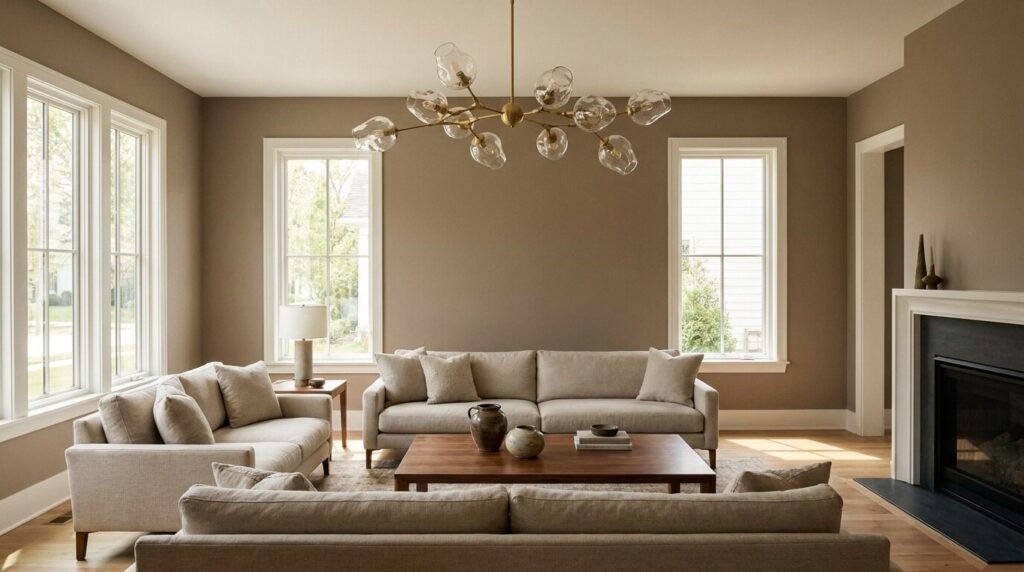
The living room is where you relax and entertain, so comfort and conversation should guide your choices.
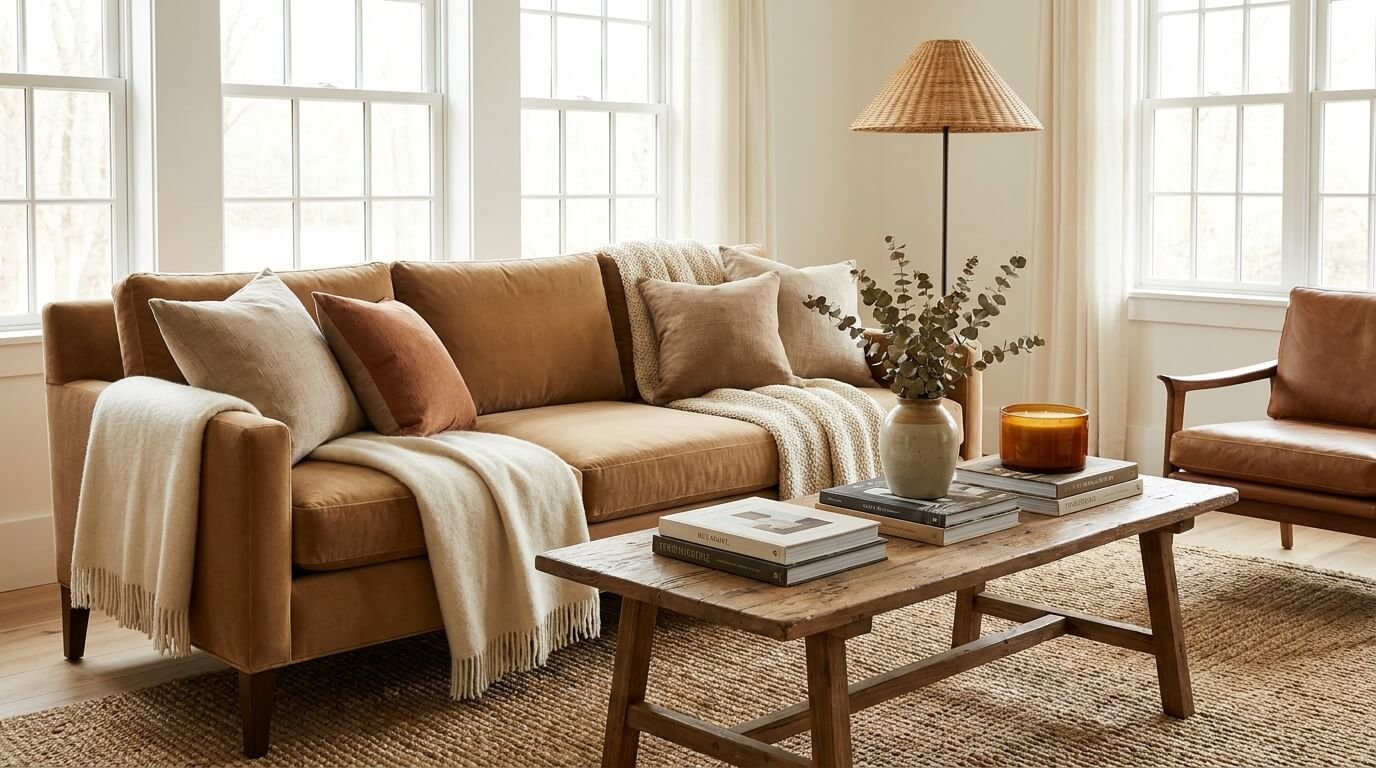
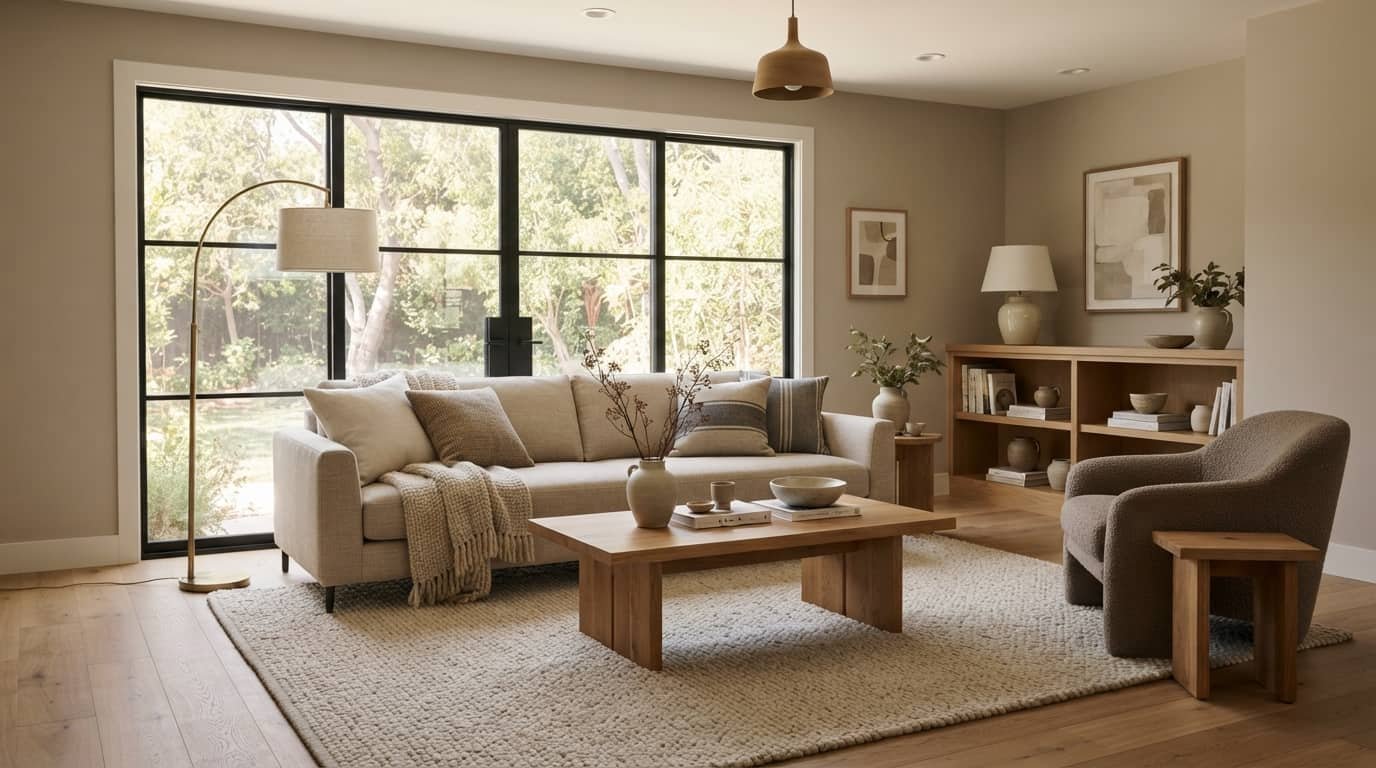
Start with the sofa, since it anchors the space. Arrange seating so people can face each other easily—pushing all the furniture against the walls actually makes rooms feel smaller and less inviting. Add a coffee table within arm’s reach of the seating, then define the area with a rug large enough for at least the front legs of your furniture to rest on.
Layer your lighting with three types: overhead (ceiling fixtures), task (reading lamps), and ambient (table or floor lamps). This flexibility lets you shift the mood from bright and functional to warm and cozy.
How to decorate a bedroom
A bedroom should feel calm and restful, so lean toward soft colors and cozy textures.
Center the bed on the most prominent wall and dress it in layers—fitted sheet, flat sheet, duvet, and a few pillows. Matching nightstands on either side create balance and give you space for lamps and books. If your room is small, choose furniture that doubles as storage, like a bed frame with drawers.
Keep the color palette soothing and avoid harsh overhead lighting. Warm bedside lamps or dimmable fixtures make the room feel more relaxing at night.
How to decorate a kitchen
Kitchens are working spaces, so start with function and add style on top.
Clear your counters of anything you don’t use daily—this instantly makes the space feel bigger and cleaner. Add warmth with small touches like a runner rug, a bowl of fruit, or open shelving that displays attractive dishes. Under-cabinet lighting is an affordable upgrade that makes the whole kitchen feel more finished.
If you rent and can’t renovate, focus on swappable details: new cabinet hardware, a fresh backsplash using peel-and-stick tiles, and coordinated small appliances.
How to decorate a bathroom
Bathrooms are small, which makes them one of the cheapest rooms to transform.
Fresh towels in a coordinated color, a new shower curtain, and a small plant that tolerates humidity can refresh the whole space for very little money. Add a mirror to bounce light and make the room feel larger, and store toiletries in baskets or jars to cut visual clutter.
What are the key principles of good home decorating?
A few design fundamentals apply to every room and separate a thoughtful space from a chaotic one.
Balance: Distribute visual weight evenly so no side of the room feels heavier than the other. This can be symmetrical (matching lamps on either side of a bed) or asymmetrical (a tall plant balancing a low bookshelf).
Scale and proportion: Choose furniture sized for your room. An oversized sectional swallows a small apartment, while tiny pieces get lost in a large open space.
Layering: Depth comes from layers—rugs over floors, throws over sofas, art at varying heights. Flat, single-layer rooms feel unfinished.
Negative space: Space is a design element, not a problem to fill. Leaving room around your furniture and decor lets each piece breathe.
Personality: The best homes reflect the people who live in them. Display travel souvenirs, family photos, and objects with meaning. These personal touches are what turn a showroom into a home.
What decorating mistakes should beginners avoid?
Learning what not to do can save you time and money. Here are the most common missteps.
- Buying everything at once: Rushing to fill a room leads to regretful purchases. Let your space evolve over weeks or months.
- Choosing a rug that’s too small: An undersized rug makes furniture feel disconnected. When in doubt, size up.
- Hanging art too high: The center of your artwork should sit at eye level, roughly 57 to 60 inches from the floor.
- Relying on a single light source: One overhead light creates flat, unflattering lighting. Layer multiple sources instead.
- Ignoring scale: Furniture that’s too big or too small throws off the entire room.
- Forgetting the ceiling: Often called the “fifth wall,” a painted ceiling or an interesting light fixture adds unexpected character.
How do you decorate on a budget?
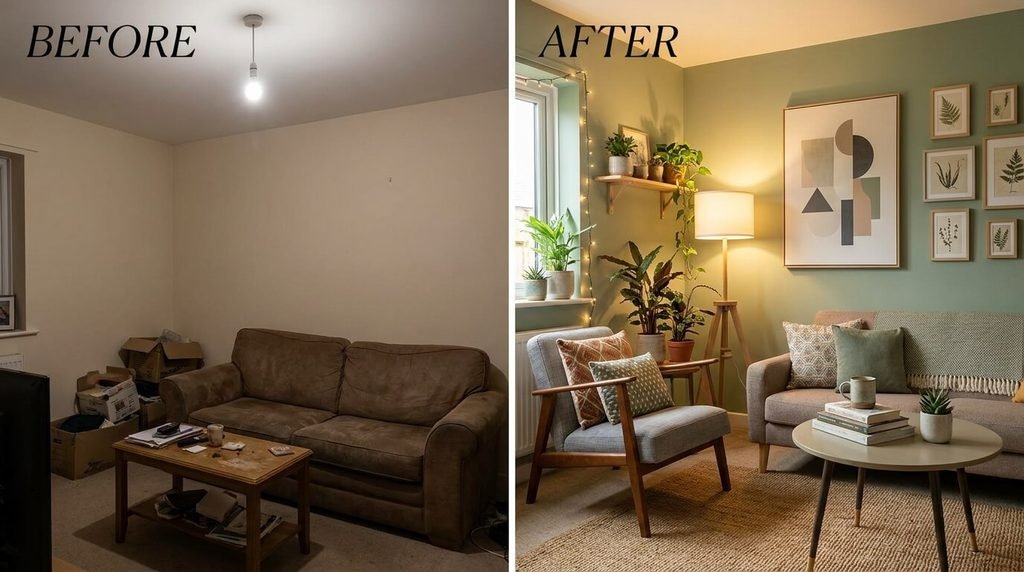
Beautiful spaces don’t require a big bank account. Small, strategic choices deliver the most visual impact for the least money.
Shop secondhand at thrift stores, estate sales, and online marketplaces for solid-wood furniture and unique decor. Rearranging what you already own often transforms a room for free. A fresh coat of paint remains the single most affordable way to change a space dramatically. Add plants, real or faux, to bring life and color at low cost. And DIY your art—framed fabric, pressed flowers, or your own photography can fill walls beautifully.
Bringing your home together
Decorating your house is a process, not a one-day project. Start by defining your style and setting a budget, then move room by room—choosing colors, arranging furniture for function, layering in light and texture, and finishing with pieces that reflect who you are.
The most important rule is that your home should work for you. Trends come and go, but a space designed around how you actually live will always feel right. Pick one room to start with this week, and let your confidence build from there.
Frequently asked questions
How much does it cost to decorate a house?
Costs vary widely based on room size, quality, and how much you already own. A single room can be refreshed for a few hundred dollars using budget decor and paint, while a full-home makeover with new furniture can run into the thousands. Setting a tiered budget for invest, mid-range, and budget pieces helps control spending.
Which room should I decorate first?
Start with the room you use most or the one that bothers you the most—usually the living room or bedroom. Finishing one space gives you momentum and a template for the rest of your home.
How do I make a small room look bigger?
Use light colors on walls, add mirrors to reflect light, choose furniture with legs to create a sense of openness, and keep clutter to a minimum. Vertical storage and curtains hung close to the ceiling also make ceilings feel taller.
How long does it take to decorate a home?
There’s no fixed timeline. Many people decorate gradually over several months as their budget allows and their taste develops. Letting a space evolve often produces better, more personal results than rushing to finish in a weekend.
Do I need to hire an interior designer?
Not necessarily. Plenty of homeowners decorate beautifully on their own using online inspiration and basic design principles. A designer can be worth it for large budgets, complex layouts, or if you simply want expert guidance and time savings.
Related resources: Abstract Rug Ideas: How to Choose and Style One in Any Room · 12 Window Seat Storage Ideas for an Amazing Upgrade