A home renovation on a budget isn’t about choosing the cheapest option for everything. It’s about deciding where your money will make the biggest difference, which existing features are worth keeping, and which projects can wait.
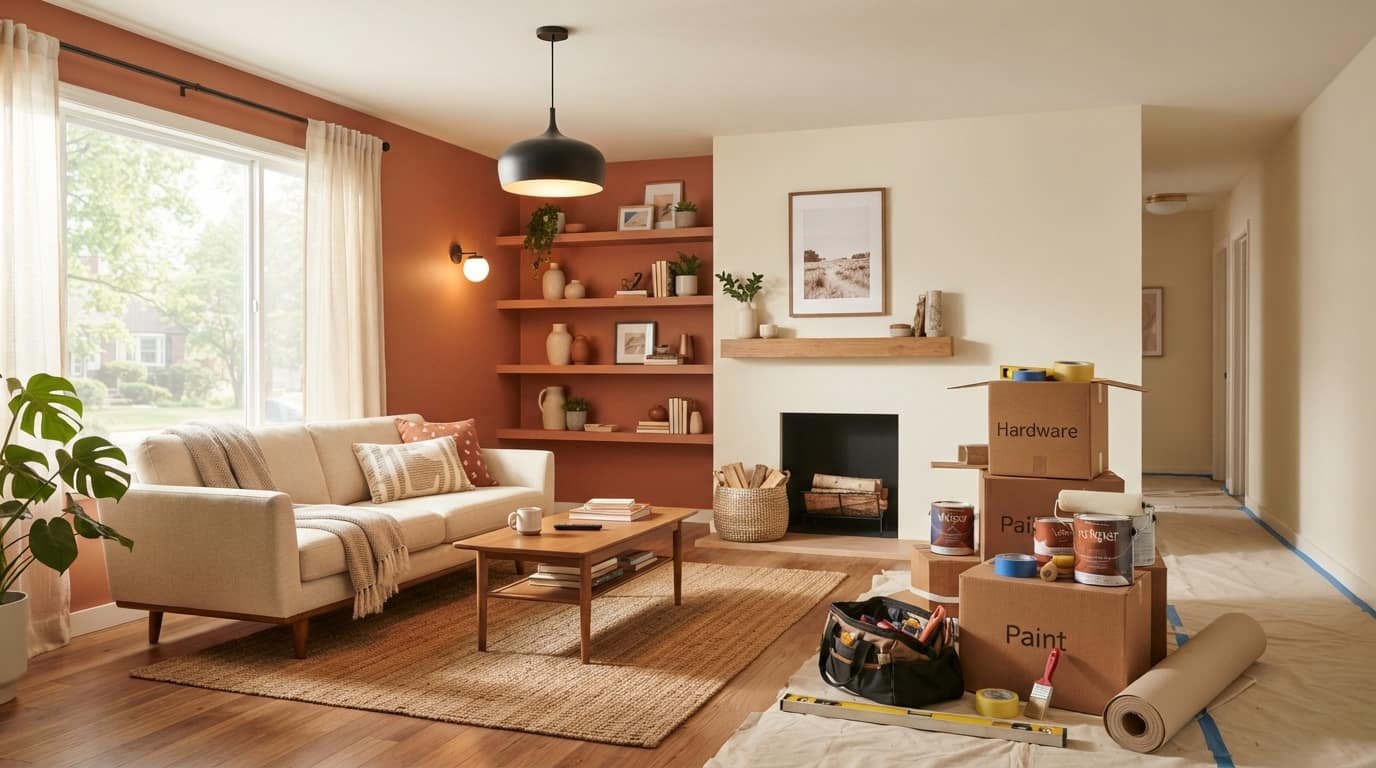
A fresh coat of paint or new cabinet hardware can change the look of a room without major construction. But if there’s a plumbing leak, damaged wiring, or moisture problem behind the walls, those issues deserve attention first.
Whether you’re refreshing one room or planning a larger remodel, the smartest approach is to prioritize essential work, control your project scope, compare costs carefully, and leave room for unexpected expenses.
1. Set a Realistic Renovation Budget
Before choosing flooring, paint, fixtures, or cabinets, establish a maximum amount you’re comfortable spending.
Start by dividing your plans into three groups:
- Essential repairs: Safety, structural, water, plumbing, electrical, or other problems that shouldn’t be postponed.
- Functional improvements: Changes that make the home easier, safer, or more comfortable to use.
- Cosmetic upgrades: Changes that primarily improve appearance.
This simple separation helps prevent a common mistake: spending too much on things that look good while postponing work that protects the home.
Your renovation budget should account for more than materials. Depending on the project, you may also need to pay for labor, permits, delivery, demolition, waste disposal, preparation work, tools, and cleanup.
A useful planning formula is:
Total project budget = materials + labor + additional costs + contingency
For example, if you have $10,000 available, don’t automatically select projects that total $10,000. Keeping part of the budget available gives you some flexibility if you discover damaged subflooring, outdated wiring, a hidden leak, or another problem once work begins.
2. Prioritize Repairs Before Cosmetic Improvements
When funds are limited, the order in which you renovate matters.
A practical priority list is:
- Safety concerns
- Water and moisture problems
- Structural issues
- Major plumbing or electrical problems
- Functionality
- Energy efficiency
- Cosmetic improvements
Suppose you’re planning to repaint a bedroom but notice a growing water stain on the ceiling. Painting first may make the room look better temporarily, but it won’t address the source of the damage.
The same principle applies to persistent plumbing leaks, damaged wiring, unstable railings, or structural problems. A successful renovation should solve underlying issues rather than simply make them less visible.
3. Decide Where to Spend and Where to Save
You don’t need to spend the same amount on every part of a remodeling project.
Some work affects safety, durability, or future repair costs, while other items are easier to change later.
Consider spending more on:
- Electrical work
- Plumbing
- Waterproofing
- Structural repairs
- Professional installation where mistakes are costly
- Frequently used fixtures and surfaces
- Materials that are difficult to replace later
Look for savings on:
- Cabinet hardware
- Paint
- Decorative mirrors
- Accessories
- Curtains
- Some light fixtures
- Decorative finishes
For example, changing cabinet pulls can give a kitchen a noticeably different appearance without replacing the cabinets. But choosing an inexperienced person for important electrical work simply because the quote is lower can create much larger costs later.
The goal isn’t to spend more everywhere. It’s to understand which costs affect quality, safety, and longevity and which are mainly aesthetic.
4. Repair, Refinish, or Replace?
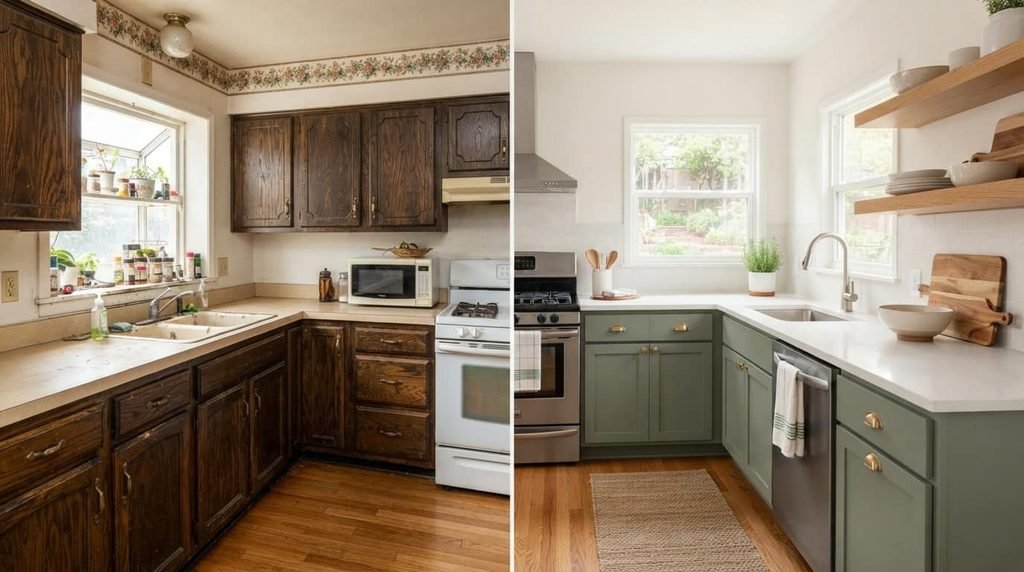
Before replacing an existing feature, ask three questions:
Can it be repaired?
A minor defect may not justify replacement.
Can it be refinished or updated?
A dated appearance doesn’t necessarily mean the item has reached the end of its useful life.
Does it actually need replacing?
Replacement may make sense when something is badly damaged, no longer functions properly, or would cost too much to restore.
For example, sturdy kitchen cabinets may only need new paint and hardware. Existing hardwood flooring might be suitable for refinishing rather than replacement if its condition allows it.
This approach can significantly reduce material and demolition costs while still producing a noticeable improvement.
5. Choose High-Impact, Low-Cost Home Improvements
Not every worthwhile renovation requires construction.
Depending on the room, relatively affordable improvements can include:
- Fresh paint
- New cabinet hardware
- Updated light fixtures
- Better lighting placement
- New faucets
- Trim and baseboard touch-ups
- Updated window treatments
- Furniture rearrangement
- Refinishing suitable surfaces
- Better organization and storage
The important part is matching the upgrade to the actual problem.
If a living room feels dark, for example, improved lighting and a lighter wall color may have more impact than buying expensive furniture. If a kitchen looks dated but its cabinets remain functional, new hardware and a refreshed finish may provide the change you want without a complete remodel.
6. Renovate One Room at a Time
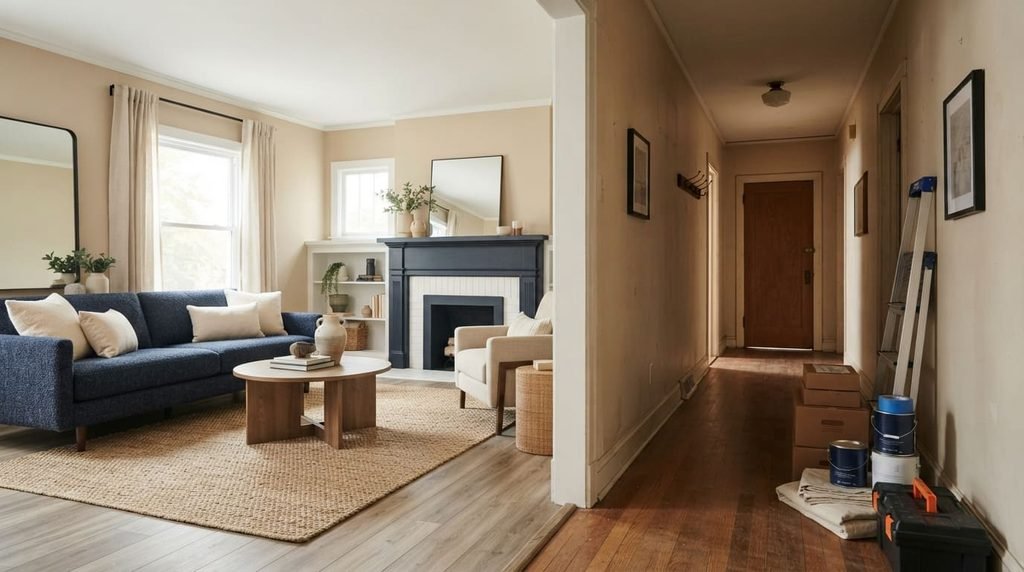
A whole-house remodel can quickly become difficult to manage when your budget is limited.
A phased renovation lets you complete one priority area, review the actual cost, and then decide what you can reasonably spend next.
For example:
Phase 1: Update the kitchen
Phase 2: Review the remaining budget
Phase 3: Address the bathroom
Phase 4: Refresh the living room
This doesn’t mean every project should be completed separately. If several areas require the same flooring, electrical work, or plumbing work, coordinating them may make more sense.
The key is to distinguish between work that needs to happen together and improvements that can safely wait.
7. Compare Materials Before You Buy
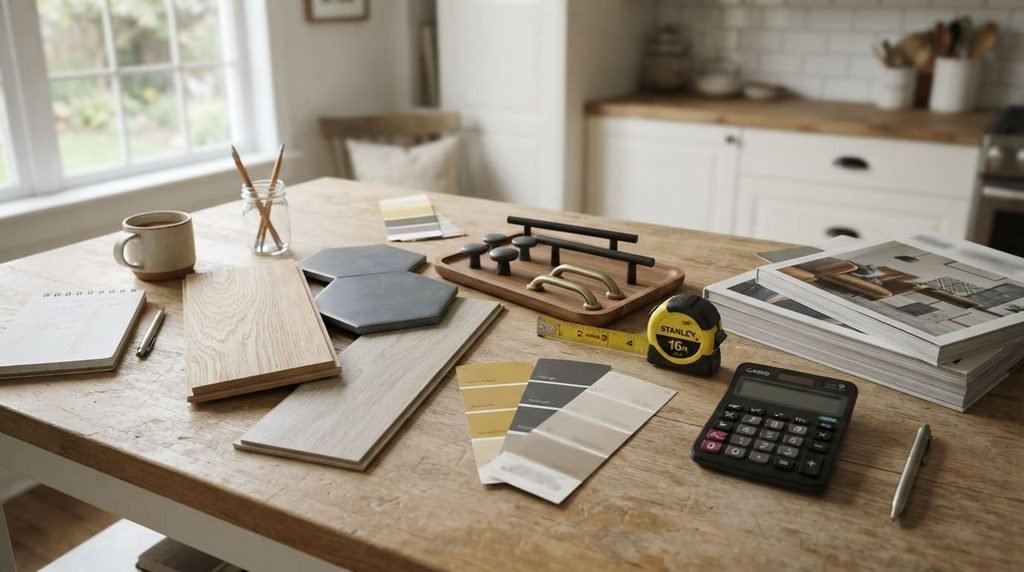
Materials can consume a large portion of renovation costs, so don’t buy the first product you find.
Compare:
- Product price
- Installation requirements
- Delivery charges
- Durability
- Maintenance needs
- Warranty
- Return policy
- Availability of replacement parts
Standard sizes can sometimes cost less than custom options. Depending on the project, remnants, surplus materials, or clearance products may also provide savings.
However, avoid buying something simply because it’s discounted. A material that doesn’t suit the space, requires expensive installation, or needs frequent replacement may not be a genuine bargain.
Also measure carefully before ordering. Buying too much creates waste, while buying too little can cause delays and additional delivery costs.
8. Control Labor and Contractor Costs
For larger projects, labor can make up a significant portion of the renovation budget.
Get detailed estimates from multiple qualified contractors when appropriate, but don’t compare only the final numbers. Check what each estimate actually includes.
Ask:
- Is labor included?
- Are materials included?
- Who purchases the materials?
- Are permits included?
- Is demolition included?
- Who handles debris removal?
- Is cleanup included?
- What happens if hidden damage is discovered?
- What work is excluded?
- What is the payment schedule?
For example, Contractor A might quote $7,000 while Contractor B quotes $8,000, but the first estimate could exclude demolition, disposal, or certain materials. Once those costs are added, the difference may be much smaller than it initially appeared.
A clear scope of work can help prevent unexpected changes from quietly expanding the project.
9. Plan for Hidden Renovation Costs
Some of the biggest budget surprises come from costs homeowners don’t initially consider.
Depending on the project, these can include:
- Permit fees
- Delivery charges
- Demolition
- Waste disposal
- Tool rental
- Surface preparation
- Temporary storage
- Additional materials
- Cleanup
- Unexpected plumbing repairs
- Electrical repairs
- Subfloor or wall repairs
Consider a flooring renovation. The flooring itself may fit your budget, but the project can become more expensive if the existing floor needs removal, the subfloor requires repairs, and old material needs to be hauled away.
Before starting, ask:
What needs to happen before the visible renovation can begin?
That question can uncover expenses that aren’t obvious when you’re only comparing product prices.
10. Choose DIY Projects Carefully
DIY work can reduce labor costs, but only when the project is appropriate for your skills and tools.
Projects that may be suitable for capable DIYers include:
- Painting
- Installing some cabinet hardware
- Certain decorative updates
- Furniture refinishing
- Basic organization projects
- Some simple caulking and touch-up work
Work that may require qualified professionals includes:
- Major electrical work
- Structural changes
- Significant plumbing alterations
- Gas-related work
- Major roofing repairs
- Serious waterproofing problems
Before deciding to DIY, consider the cost of getting something wrong.
Saving $200 in labor isn’t necessarily worthwhile if a mistake damages a $5,000 component or creates a safety problem.
11. Consider Energy-Efficient Improvements
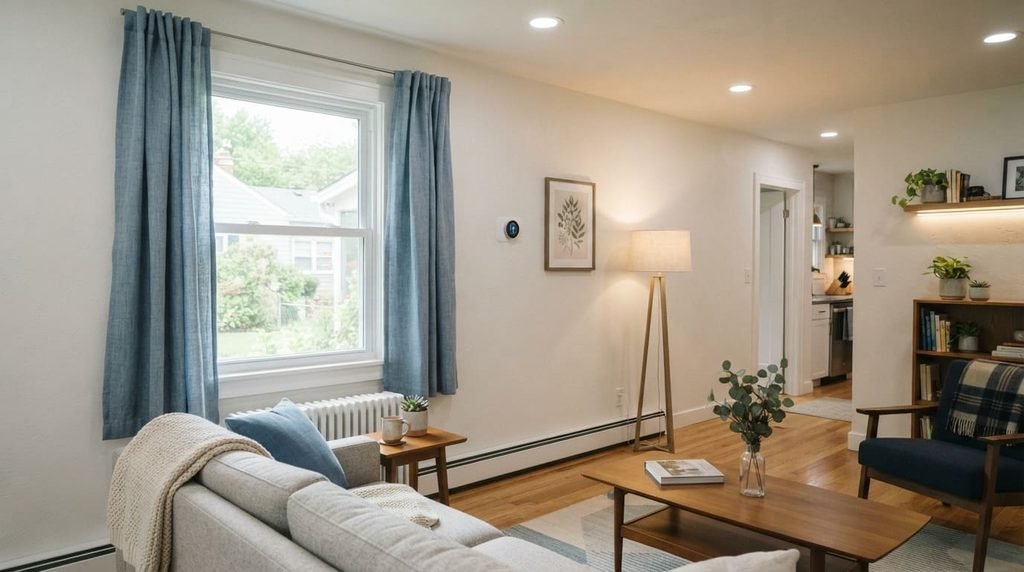
Some home improvements can affect both comfort and ongoing household expenses.
Depending on your home, climate, and existing systems, options may include:
- LED lighting
- Weatherstripping
- Sealing gaps around doors and windows
- Improving insulation where appropriate
- Efficient appliances
- Programmable or smart thermostats
- Better window coverings
- Ceiling fans
Evaluate these upgrades based on their upfront cost and the potential benefit over time.
For example, replacing every window may not be the most practical use of a limited remodeling budget if less expensive air-sealing or insulation improvements can address a more immediate efficiency problem.
12. Avoid Budget Renovation Mistakes
A renovation can become expensive through a series of small decisions that weren’t part of the original plan.
Spending without a defined scope
If you don’t decide what the project includes before starting, additional upgrades can quickly consume the budget.
Using the entire budget immediately
Unexpected problems are much harder to handle when there’s no money left.
Ignoring underlying damage
New paint won’t solve a leaking pipe or moisture problem.
Choosing everything based on price
The lowest-priced material or service isn’t necessarily the lowest-cost choice over its useful life.
Changing the plan midway
Turning a cabinet refresh into a full kitchen remodel can completely change the project cost.
Renovating too many spaces at once
Multiple active projects mean more materials, labor, disruption, and opportunities for unexpected expenses.
Forgetting preparation work
Painting, flooring, and other visible improvements may require cleaning, leveling, sanding, demolition, or repairs first.
Underestimating labor
Always consider installation when calculating the true cost of a renovation.
A Simple Home Renovation on a Budget Checklist
Before you start
- Set a maximum renovation budget
- List essential repairs
- Separate needs from wants
- Choose the highest-priority project
- Research material and labor costs
- Get detailed quotes where needed
- Check local permit requirements
- Reserve money for unexpected costs
During the project
- Track every expense
- Keep receipts and estimates
- Confirm changes before approving additional work
- Check measurements before ordering materials
- Avoid unnecessary upgrades
- Keep project documents organized
Before starting another project
- Finish the current work
- Check for incomplete or defective work
- Calculate the final project cost
- Review the remaining budget
- Decide whether the next project is still affordable
Frequently Asked Questions About Home Renovation on a Budget
What is the cheapest way to renovate a house?
Painting, updating hardware, improving lighting, refinishing suitable surfaces, and making targeted cosmetic changes can refresh a home without major construction. The most affordable option depends on the condition of the space and what you want to change.
How can I renovate my house without spending a lot?
Start by fixing necessary problems, keeping functional features where possible, comparing material and labor costs, choosing appropriate DIY projects, and renovating in phases. Avoid replacing something simply because it looks dated if it can still be repaired or updated.
What should I renovate first?
Address safety concerns, structural problems, water or moisture issues, and significant plumbing or electrical problems before focusing on cosmetic improvements. After those are handled, consider functionality, energy efficiency, and appearance.
Is it cheaper to renovate one room at a time?
Renovating in phases can make spending easier to manage, particularly when you have a limited budget. However, some projects are more efficient when related work is completed together. The best approach depends on the scope and connections between the projects.
How much should I keep aside for unexpected renovation costs?
There is no single contingency amount that fits every project. A simple cosmetic refresh may involve less uncertainty than a renovation that opens walls, changes plumbing, or affects older parts of the home. Consider the home’s age, condition, project complexity, and amount of demolition when deciding how much money to keep available.
Final Thoughts
A successful home renovation on a budget isn’t about making every decision based on the lowest price. It’s about using limited money strategically.
Fix problems before covering them up, keep functional features when they can be repaired or refinished, compare the full cost of materials and labor, and tackle projects in a manageable order.
Most importantly, give yourself room for the unexpected. A renovation plan that leaves some flexibility is far easier to manage than one that spends every available dollar before the first wall is opened or floor is removed.
With a clear scope, realistic budget, and sensible priorities, you can make meaningful improvements without turning every outdated feature into a full replacement project.
Related resources: Balcony Railing: How to Pick the Best Style for Your House · How to Upgrade Home Security: 7 Proven Safety Tips
Related resource: Modern Home Exterior: 25 Ideas, Colors, Styles & Renovation Tips
Related resource: Home Improvement Mintpaldecor Ideas That Transform Your Home