
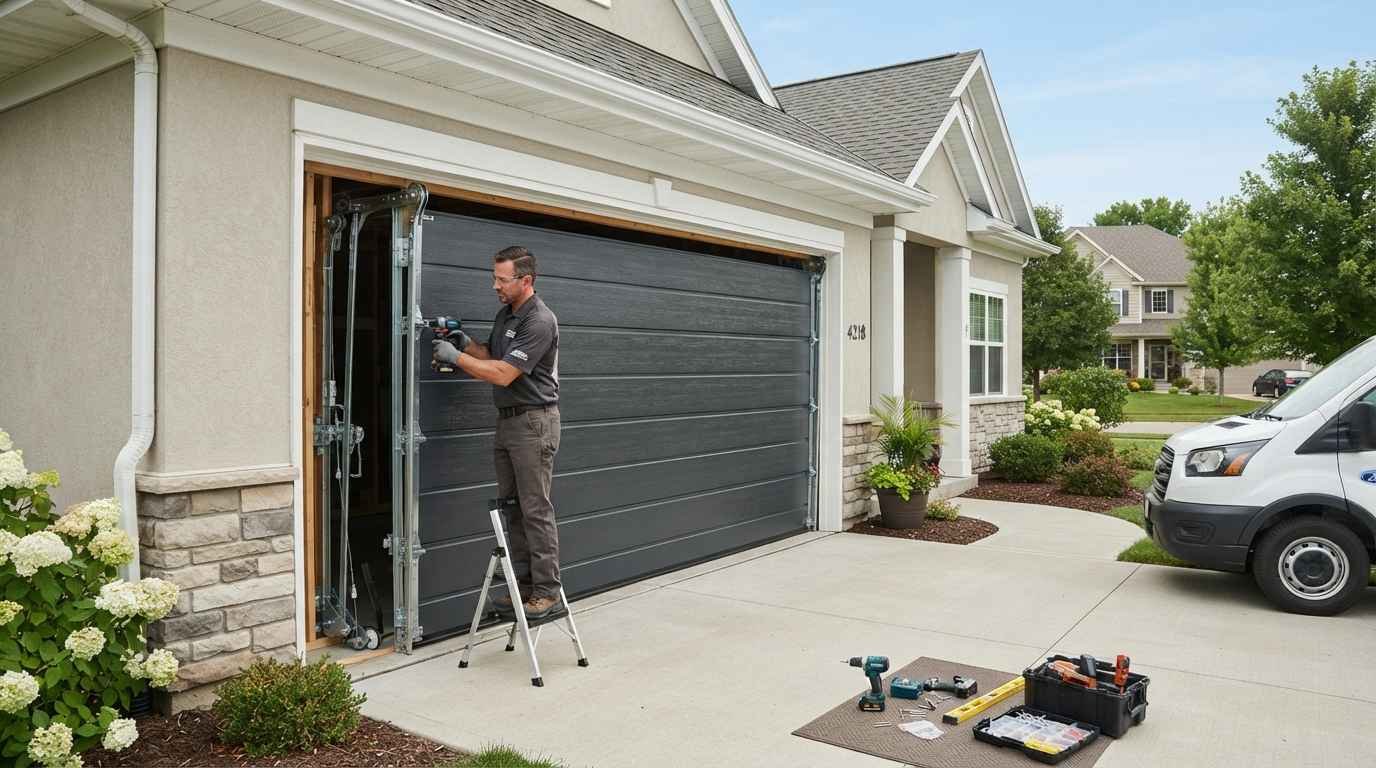
Planning garage door installation involves more than choosing a door that looks good from the driveway. You also need to make sure the opening is suitable, the door and opener are compatible, the quote covers the work you expect, and the finished installation operates correctly.
Whether you’re replacing an aging door or installing a new one, these nine tips will help you prepare for the project, compare your options, choose a garage door installer, and check the work before the job is finished.
1. Measure the Garage Door Opening Before Ordering
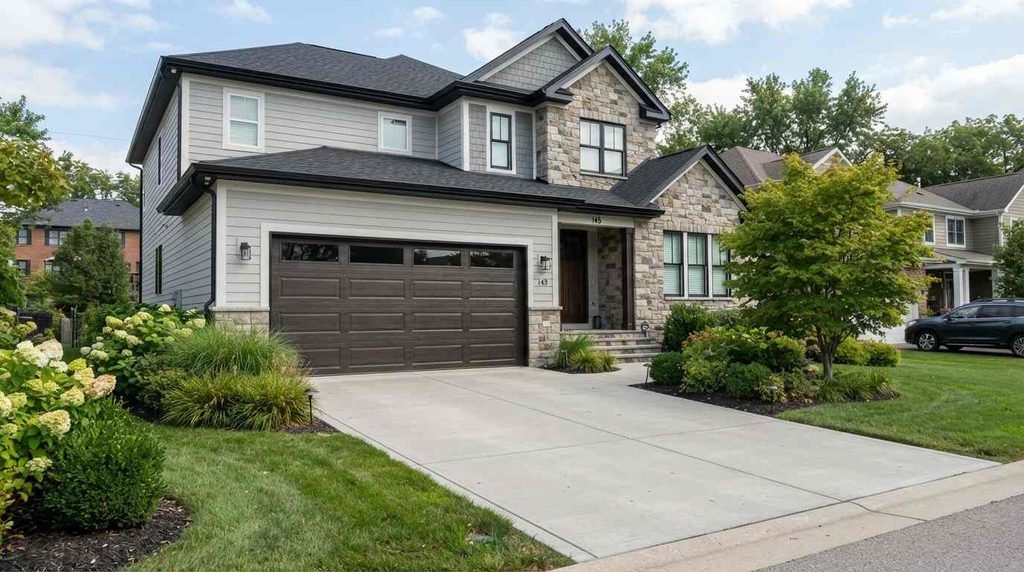
Accurate measurements are the starting point for a successful installation.
Measure the width and height of the existing door opening, but don’t stop there. The available space above the opening, beside the tracks, and inside the garage can affect which door and hardware can be installed.
If you’re replacing an existing door, don’t assume the new one will use exactly the same setup. Changes in door construction, track configuration, opener requirements, or the condition of the surrounding framing can affect the installation.
Before ordering, have the measurements confirmed by the installer if you’re not completely confident in them.
It’s also useful to keep a written copy of the measurements and the door specifications. That gives you something concrete to compare when reviewing estimates.
2. Decide Whether You Need Repair or Full Replacement
A damaged or noisy garage door doesn’t automatically mean you need a completely new one.
Depending on the problem, repair may be possible. A worn component, damaged weather seal, or certain hardware problems can sometimes be addressed without replacing the entire door.
Replacement makes more sense when the door itself is badly damaged, repeatedly develops problems, no longer meets your needs, or you want to change its appearance or performance.
Before approving a replacement, ask the installer:
- What exactly is wrong with the existing door?
- Can the damaged component be repaired?
- How much longer is the existing door reasonably expected to last?
- Would repairing it require replacing several other components?
- How much would repairs cost in comparison to replacements?
This simple comparison can prevent you from spending money on a new door when a smaller repair would solve the actual problem.
3. Choose the Right Door Material and Features
The cheapest garage door isn’t necessarily the right one for your home.
Common choices include steel, aluminum, wood, fiberglass, and composite-style products. Your decision should consider appearance, maintenance, durability, insulation needs, budget, and the conditions around your garage.
Think about how the garage is used.
If the garage is attached to living areas, insulation may be more important. If the garage is mainly used for vehicle and storage space, appearance and basic durability may carry more weight.
You may also need to decide on:
- Insulated or non-insulated construction
- Windows
- Panel style
- Color or finish
- Decorative hardware
- Manual or automatic operation
- A new garage door opener
Don’t choose these features separately. Think about how the door, opener, exterior style, and available space will work together.
4. Understand What Affects Garage Door Installation Cost
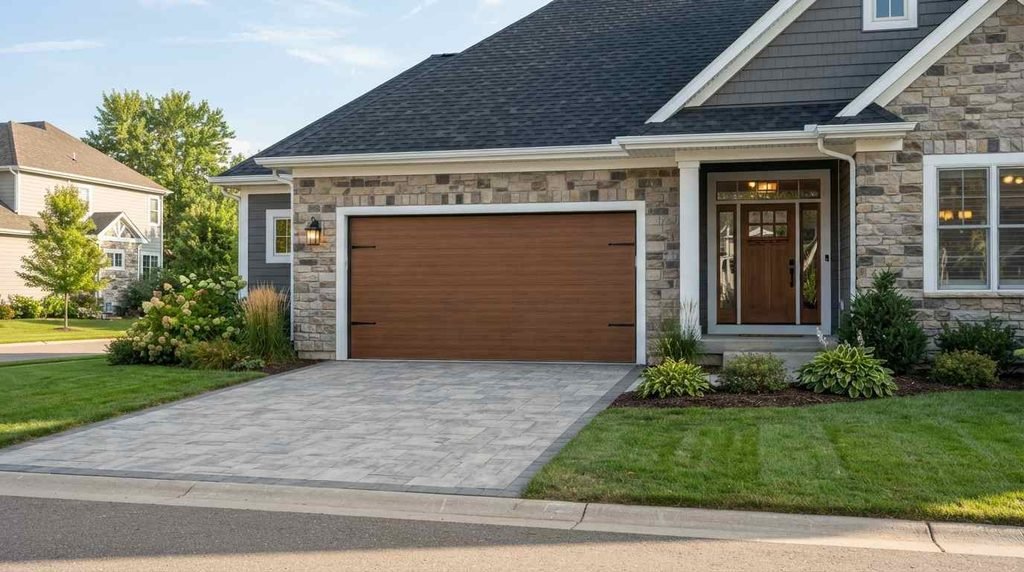
There is no single price for garage door installation cost because the scope of each project is different.
Current 2026 sources give different national estimates depending on what is included. For example, HomeAdvisor reports a $754–$1,707 range for garage door replacement, while This Old House reports approximately $1,151–$1,869 for a new garage door with an average around $1,400 in its current cost guide. Other sources show broader ranges for different door sizes, materials, and installation scopes.
The important point is not to treat one national average as your expected bill.
What Can Increase the Total?
Your final quote can be affected by:
- Door size
- Door material
- Insulation
- Custom sizing
- Windows and decorative features
- New tracks or hardware
- Spring system
- Garage door opener
- Old-door removal
- Disposal
- Structural modifications
- Local labor rates
- Installation complexity
Home Depot also notes that labor, opener selection, and the number of garage doors are among the factors affecting installation costs.
Compare Itemized Quotes
When getting estimates, ask each garage door installer to provide the scope in writing.
Ideally, the quote should make clear:
- Which door you’re purchasing
- What hardware is included
- Whether installation is included
- Whether the old door will be removed
- Whether disposal is included
- Whether the opener is included
- Which warranties apply
- Whether additional work could change the price
Two quotes with different totals may actually be offering different levels of service.
5. Compare Garage Door Installers Before Hiring One
The installer is an important part of the project, especially because garage doors combine heavy components with high-tension spring systems.
When comparing a garage door installer, look beyond the lowest price.
Ask about:
- Relevant installation experience
- Insurance
- Any licence requirements that are relevant to your area
- Experience with the specific door type
- Warranty coverage
- References or recent work
- Old-door removal
- Post-installation adjustments
- What happens if the door develops a problem after installation
Angi’s current 2026 hiring guidance recommends checking licensing and insurance where applicable, comparing multiple quotes, and getting the project scope, warranties, and payment terms in writing.
A good estimate should be based on the actual garage rather than assumptions about a standard installation.
6. Prepare the Garage Before Installation Day
Once the door is ordered and the installation date is set, prepare the work area.
Move vehicles outside and clear objects away from the garage door opening. Remove anything that could interfere with the tracks, opener, ceiling area, or installer.
Also ask about the old door before installation day.
Some companies include removal and disposal; others treat them as separate services. Confirm this rather than assuming it is included.
This is also the right time to settle decisions about:
- Door color and style
- Windows
- Insulation
- Opener
- Remotes
- Keypads
- Decorative hardware
Making these decisions before the installation starts reduces last-minute changes.
7. Know What Happens During the Garage Door Installation Process
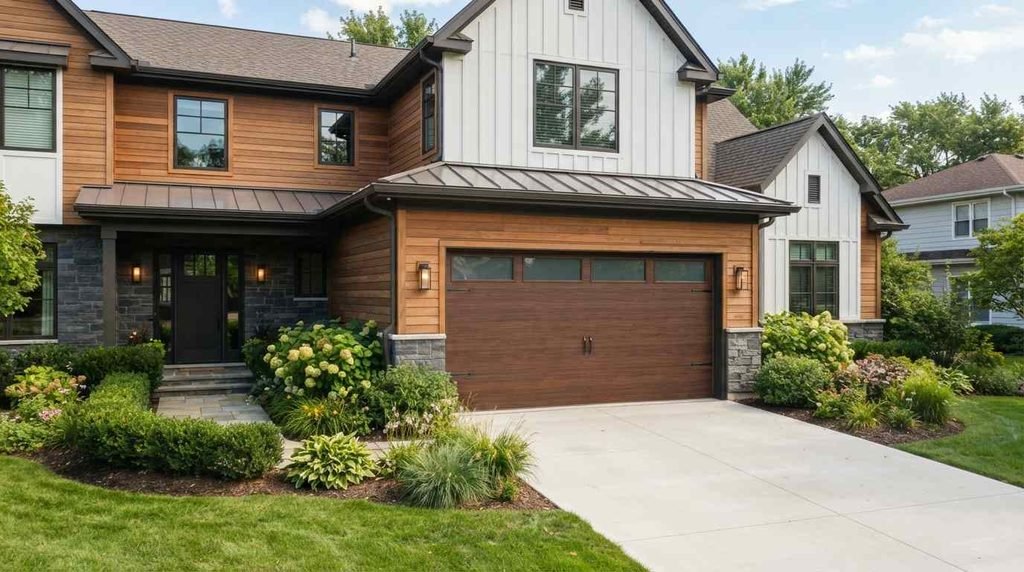
Understanding the basic garage door installation process makes it easier to follow the project and ask useful questions.
The exact sequence varies by door and site, but a professional installation may involve:
- Confirming measurements and site conditions
- Removing the old door and hardware, if applicable
- Preparing mounting areas
- Installing tracks and supporting hardware
- Assembling and positioning door sections
- Installing the counterbalance and related hardware
- Connecting the garage door opener when included
- Setting up safety sensors and controls
- Testing the door
- Making final adjustments
A garage door is a system rather than just a collection of panels. The door, tracks, rollers, springs, cables, seals, structural mounting points, and opener need to work together correctly.
Why Professional Installation Can Make Sense
Some experienced DIYers may be able to handle certain garage door installation systems, but the work is not comparable to assembling ordinary household furniture.
Garage door springs store significant energy, and heavy door components can cause injuries if handled incorrectly. Current installation guidance from Angi and This Old House recommends professional help for homeowners without the necessary experience.
If you’re comfortable with home improvement work, you can still handle the planning, product research, garage preparation, and quote comparison yourself.
8. Test Everything Before the Installer Leaves
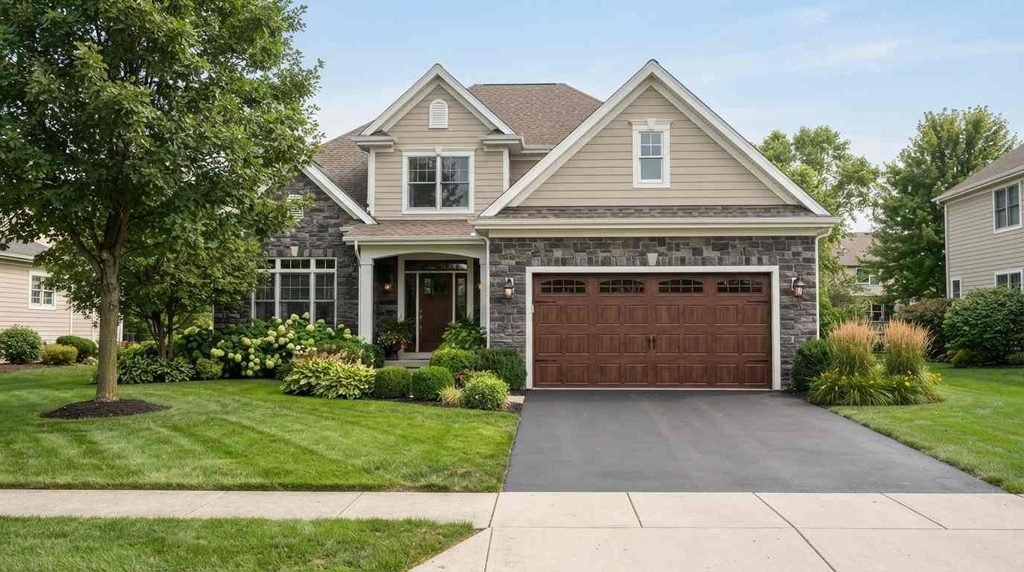
The installation isn’t finished simply because the door is hanging in the opening.
Operate the door several times before signing off on the job.
Check for:
- Smooth opening and closing
- Proper panel alignment
- Unusual scraping or rubbing
- Correct opener operation
- Working remotes and controls
- Properly positioned safety sensors
- Secure weatherstripping
- Unusual noise or vibration
- Any visible damage to the door or hardware
Ask the installer to demonstrate the normal operation of the system.
This is also the time to ask where the warranty information is stored and what maintenance the manufacturer recommends.
Current installation guidance similarly recommends checking the finished door, alignment, weatherstripping, safety sensors, and documentation before the installer leaves.
9. Keep Up With Garage Door Maintenance
A new door still needs routine attention.
Keep your installation paperwork, product information, warranty documents, and opener details in an accessible place.
During routine checks, look for obvious changes such as:
- Damaged or frayed cables
- Unusual noise
- Uneven movement
- Loose or visibly damaged hardware
- Worn rollers or hinges
- Damaged weatherstripping
- Problems with the opener or safety sensors
Don’t attempt to adjust high-tension springs or other components that you’re not qualified to handle.
If the door suddenly becomes difficult to open, moves unevenly, makes an unusual noise, or shows visible damage, stop using it if continued operation could be unsafe and have it assessed by an appropriate professional.
What Should Be Included in a Garage Door Installation Quote?
Before accepting an estimate, make sure you understand exactly what you’re buying.
A useful quote should identify the door model or specifications, installation labor, included hardware, opener work if applicable, old-door removal, disposal, warranties, and any known additional work.
You can also ask whether the price changes if the installer discovers a problem with the existing framing or mounting area.
Getting these details in writing makes it much easier to compare estimates fairly.
DIY vs. Professional Garage Door Installation
The planning side of the project is very DIY-friendly.
You can research door materials, measure the opening, compare styles, prepare the garage, collect quotes, and decide which features you actually need.
The physical installation is different.
Because the system can involve heavy sections, loaded springs, cables, tracks, and powered equipment, professional installation is worth considering if you don’t already have the appropriate experience and equipment. Current DIY guidance rates garage door installation as an expert-level project and warns that inexperienced installation can be dangerous.
The safest approach for many homeowners is to handle the purchasing and preparation decisions while leaving specialized installation and spring work to a qualified professional.
Frequently Asked Questions
How long does garage door installation take?
The time varies with the door, garage configuration, existing door removal, and any additional work. This Old House currently estimates about six to eight hours for the specific installation demonstrated in its guide, but your project may take more or less time.
How much does garage door installation cost?
Costs vary by door size, material, features, labor, opener, removal, and installation complexity. Current 2026 sources provide different ranges, so use national figures only as rough planning information and get an itemized local quote for your project.
Should I repair or replace my garage door?
Repair may make sense when the main problem is limited to a replaceable component and the door itself remains in reasonable condition. Replacement becomes more relevant when the door is extensively damaged, repeatedly fails, or no longer suits your needs.
Ask for both options when practical and compare the expected cost and remaining usefulness of the existing door.
Do I need a new garage door opener with a new door?
Not always. An existing opener may be usable if it is compatible with the new door and remains in suitable condition. Ask the installer to verify compatibility rather than assuming you need to replace it.
What should I ask a garage door installer?
Ask about experience, insurance, applicable licensing, the exact door and hardware being installed, labor, removal and disposal, opener compatibility, warranties, payment terms, and what happens if adjustments are needed after installation.
Is garage door installation a DIY project?
Some installation systems can be handled by experienced DIYers, but the work involves heavy components and potentially hazardous spring systems. If you don’t have the necessary experience, tools, and understanding of the specific door system, professional installation is the more appropriate option.
Conclusion
A successful garage door installation starts before the first panel is installed.
Measure the opening, decide whether you actually need replacement, choose the door based on your home’s needs, and compare detailed quotes rather than simply choosing the lowest number. Then make sure the installer explains what is included and how the finished system should operate.
On installation day, keep the garage clear and let the installer handle specialized work involving springs, tracks, cables, and other high-risk components. Before the job is complete, test the door, opener, controls, alignment, and safety features and keep all warranty documentation.
The goal isn’t simply to get a new door on the garage. It’s to make sure the door, hardware, opener, and installation work together as a complete system.
Related resource: How to Close Blinds: Every Type, Plus Fixes for Stuck Ones


2 thoughts on “Garage Door Installation: 9 Crucial Pointers for Success”