A garden is more than a place where plants grow. It is an outdoor part of your home that can create a relaxing atmosphere, improve curb appeal, and give you a comfortable place to spend time. With thoughtful planning, even a small balcony, backyard corner, or front entrance can become an attractive green space.
The best decoradhouse garden tips by decoratoradvice focus on balancing plants, decor, furniture, and everyday usability. A beautiful garden does not always require expensive landscaping. Often, small improvements such as better plant placement, outdoor lighting, or a carefully chosen seating area can make the biggest difference.
Start With a Garden Layout That Matches Your Space
Before buying plants or decorations, think about how you want to use your garden. A family backyard may need open space for movement, while a small urban garden may work better with vertical plants and compact furniture.
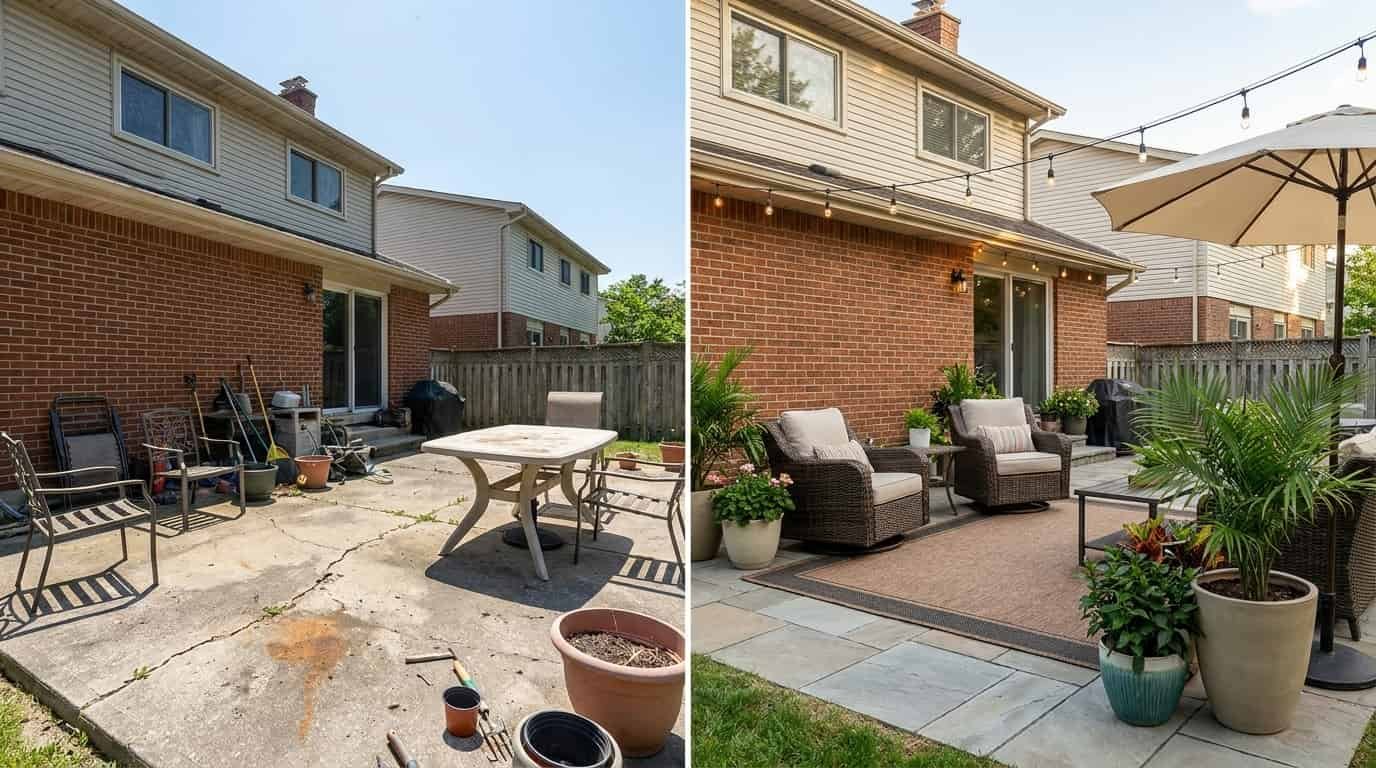
For example, a narrow side yard can feel larger when plants are arranged along the edges instead of filling the entire walkway. Similarly, a small patio can become a comfortable outdoor room by adding two chairs, a small table, and a few carefully selected plants.
A good garden layout should consider sunlight, walking paths, plant growth, and maintenance needs. A garden that looks beautiful but is difficult to care for often becomes neglected over time.
Choose Plants Based on Your Environment
One common mistake is choosing plants only because they look attractive. A plant that works well in one location may struggle in another because of differences in sunlight, soil, and climate.
For sunny areas, many homeowners choose plants that can handle stronger light and warmer conditions. Shaded corners may benefit from plants that prefer indirect light.
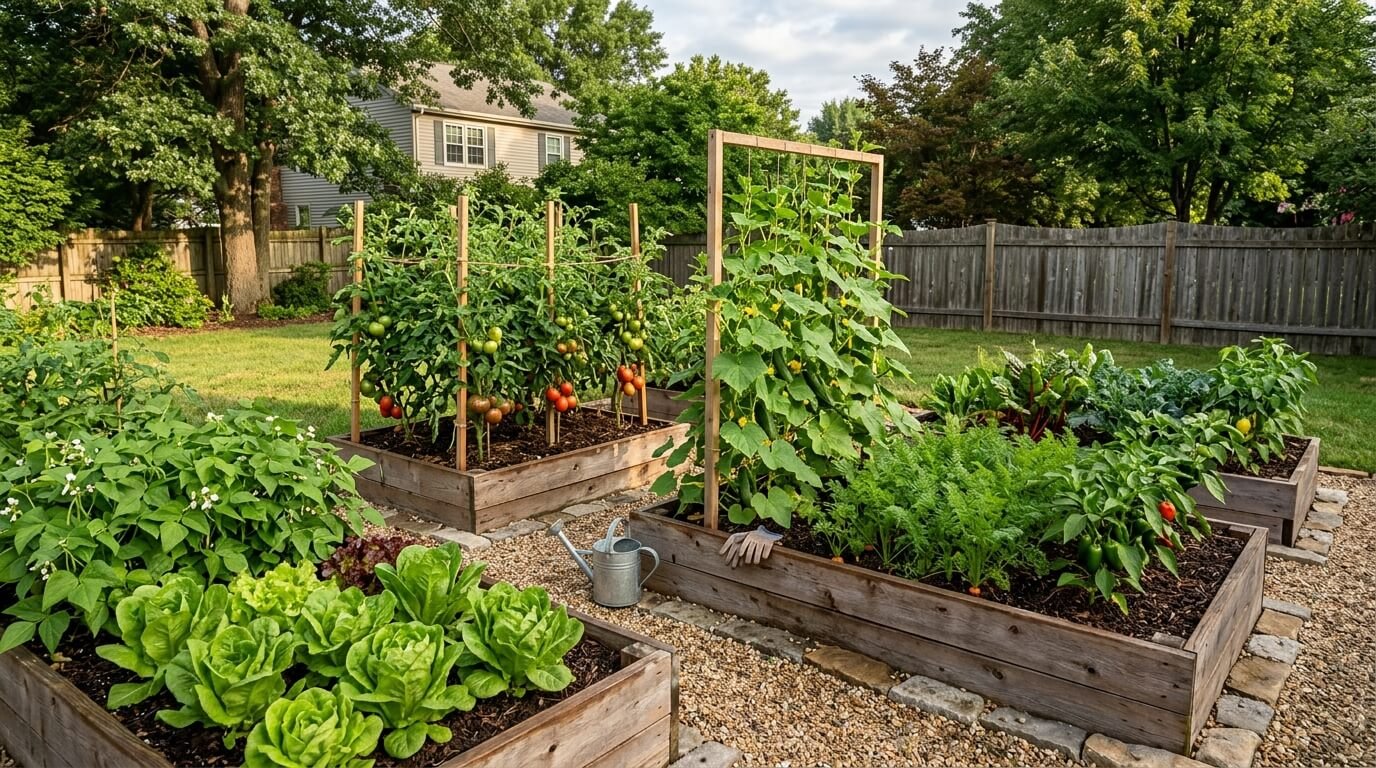
A practical approach is to combine different plant types:
- Tall plants can create privacy.
- Medium plants add structure.
- Small flowers or ground covers add color.
For example, placing taller plants behind smaller flowering plants creates depth and makes the garden appear more layered.
Use Containers to Add Flexibility
Container gardening is one of the easiest ways to improve an outdoor space. It works especially well for apartments, balconies, patios, and small gardens.
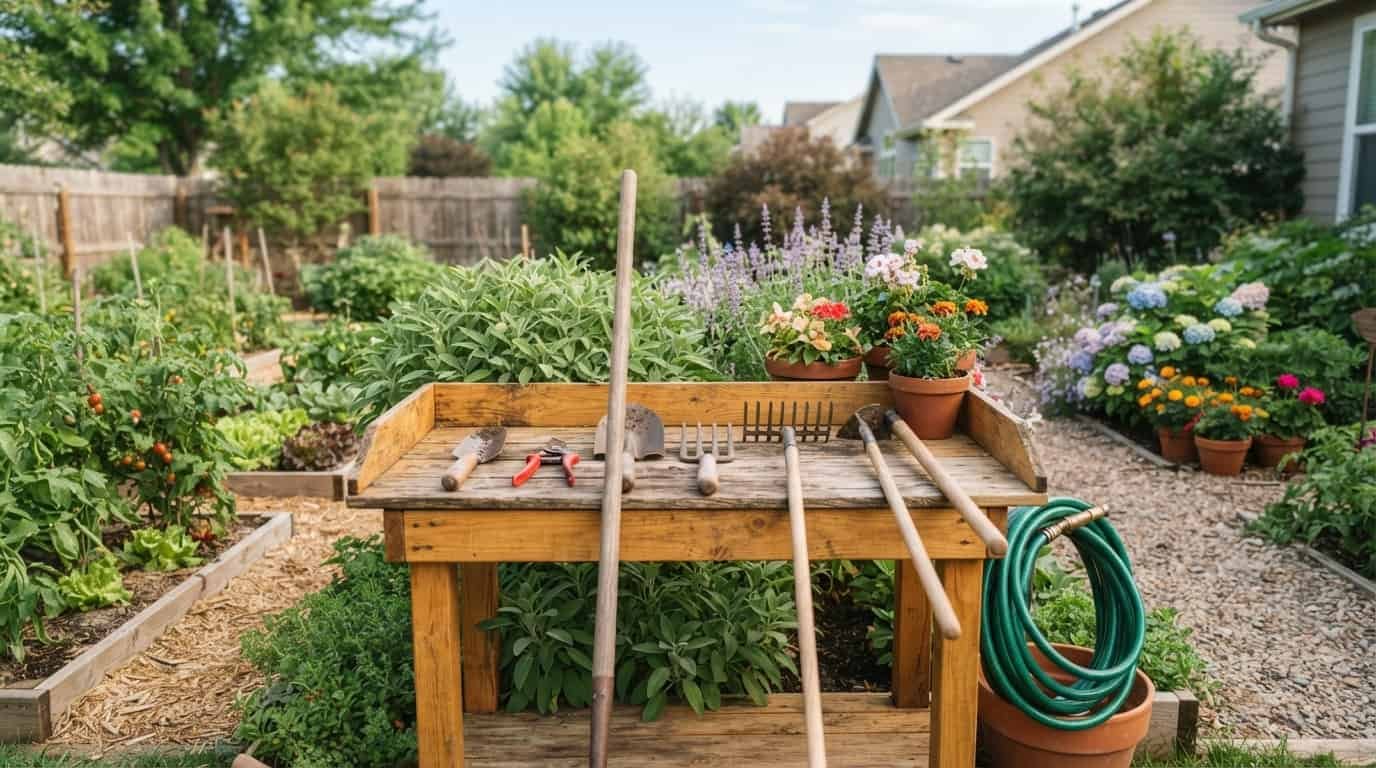
Decorative pots add personality while letting you move plants as needed. A collection of different-sized containers near an entrance can create a welcoming appearance without major construction.
Consider mixing materials such as ceramic pots, wooden planters, and simple stone containers. The goal is not to use too many styles but to create a coordinated look.
For example, a modern home may look better with clean-shaped planters, while a traditional home may suit natural materials like terracotta or wood.
Create Outdoor Zones Like Indoor Rooms
One of the most useful garden decoration ideas is treating outdoor areas like indoor spaces. Instead of seeing the garden as one large area, divide it into functional zones.
A seating corner can become a relaxing space for morning coffee. A small dining area can be used for outdoor meals. A plant section can become a personal gardening area.
Outdoor rugs, weather-resistant cushions, and lighting can help define these spaces. The key is creating comfort while keeping the area practical.
A garden should not only look good in photographs. It should feel enjoyable when you actually use it.
Add Lighting for Evening Appeal
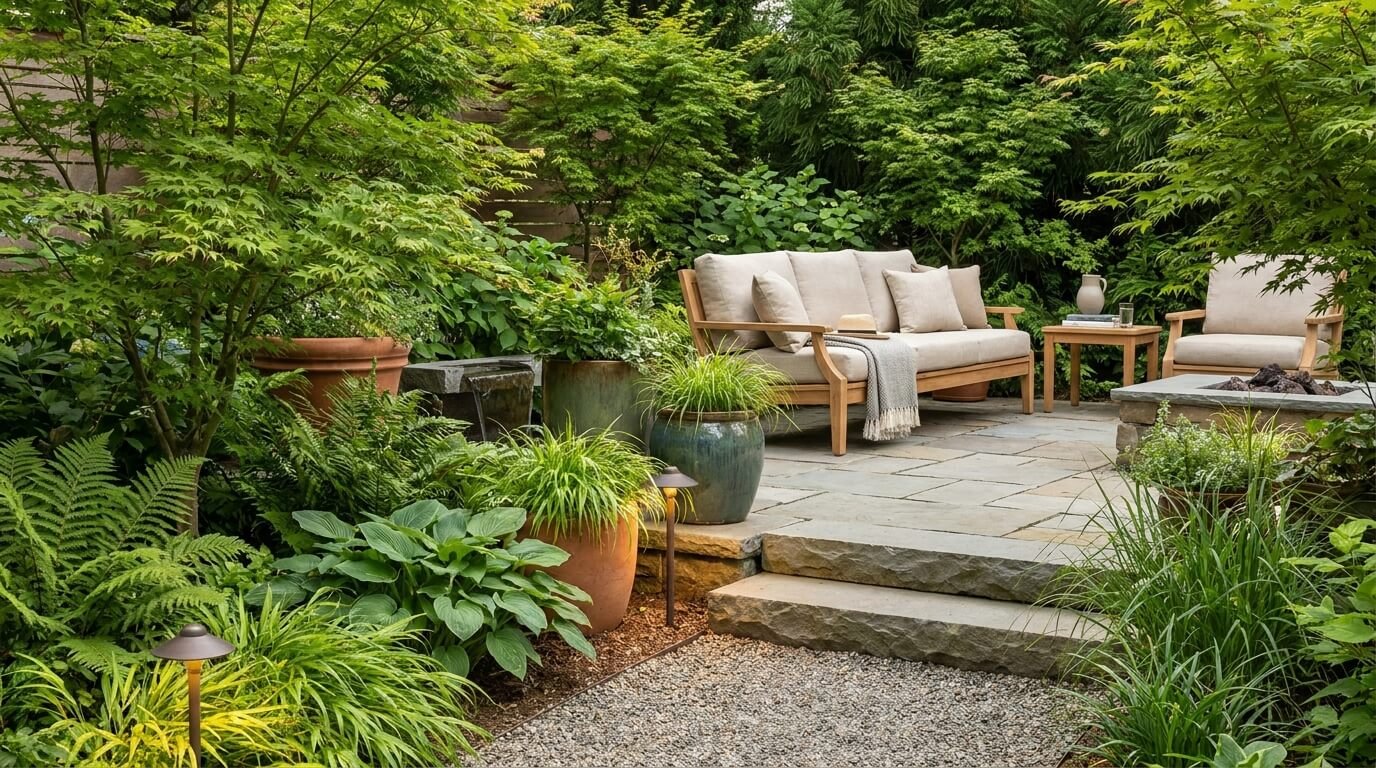
Garden lighting can completely change the atmosphere after sunset. Soft lighting helps highlight plants, pathways, and architectural features.
Path lights can make walkways safer, while string lights can create a cozy feeling around seating areas. Small solar lights are also a simple option for homeowners who want decoration without complicated electrical work.
Avoid using too many bright lights. A garden usually looks more natural when lighting creates gentle highlights instead of making every corner equally bright.
Include Decorative Elements Carefully
Garden decorations can add character, but too many accessories can make the space feel crowded. Choose items that support the overall style of your home.
Popular garden decoration elements include:
- Decorative planters
- Outdoor sculptures
- Water features
- Wooden structures
- Garden benches
For example, a small water feature can become a focal point in a quiet garden corner, while a simple bench under a tree can create a peaceful resting area.
The best decorations have a purpose. They should improve the experience of the garden rather than simply fill space.
Make Small Gardens Feel Bigger
Small outdoor spaces require smart design choices. The goal is to create the feeling of openness without overcrowding the area.
Vertical gardening is one effective solution. Wall-mounted planters, climbing plants, and hanging pots use unused space while adding greenery.
Using similar colors throughout the garden can also create a more organized appearance. Too many different colors, materials, and decorations may make a small garden feel busy.
Mirrors are sometimes used in outdoor designs to create the illusion of space, but they should be placed carefully to avoid reflecting unwanted views or creating maintenance issues.
Focus on Low-Maintenance Garden Design
A beautiful garden should fit your lifestyle. If you have limited time, choose designs that are easier to maintain.
Low-maintenance gardening often includes:
- Selecting plants suitable for the local environment
- Using mulch to reduce moisture loss
- Grouping plants with similar water needs
- Choosing durable outdoor materials
A simple, well-maintained garden often looks better than an elaborate design that becomes difficult to manage.
Common Garden Design Mistakes to Avoid
Many beginners make the mistake of planting without considering future growth. A small plant can become much larger over time and may eventually overcrowd nearby areas.
Another common issue is ignoring maintenance access. Plants placed too close together or decorations blocking pathways can create problems later.
It is also important not to copy another garden exactly. A design should work with your home’s architecture, available space, and personal preferences.
Seasonal Updates Keep Your Garden Fresh
Gardens naturally change throughout the year, and small seasonal updates can keep them attractive.
You can refresh the space by changing container plants, adding seasonal flowers, updating outdoor cushions, or adjusting decorations.
These small changes allow homeowners to enjoy a different look without completely redesigning the garden.
Final Thoughts on Decoradhouse Garden Tips
The most effective garden improvements come from thoughtful choices rather than expensive additions. By combining suitable plants, comfortable outdoor areas, attractive decorations, and practical maintenance habits, any home can have a more enjoyable outdoor space.
The best decoradhouse garden tips by decoratoradvice encourage homeowners to design gardens that match their lifestyle. Whether you have a large backyard or a small balcony, careful planning can help you create an outdoor area that feels welcoming and personal.
Related resources: Vegetable Garden Ideas: What to Plant and Where · Best Vegetables for Raised Beds: 15 Easy Crops to Grow
nnRelated resources: Different Types of Sage Plants: 25 Beautiful Varieties for Your Garden