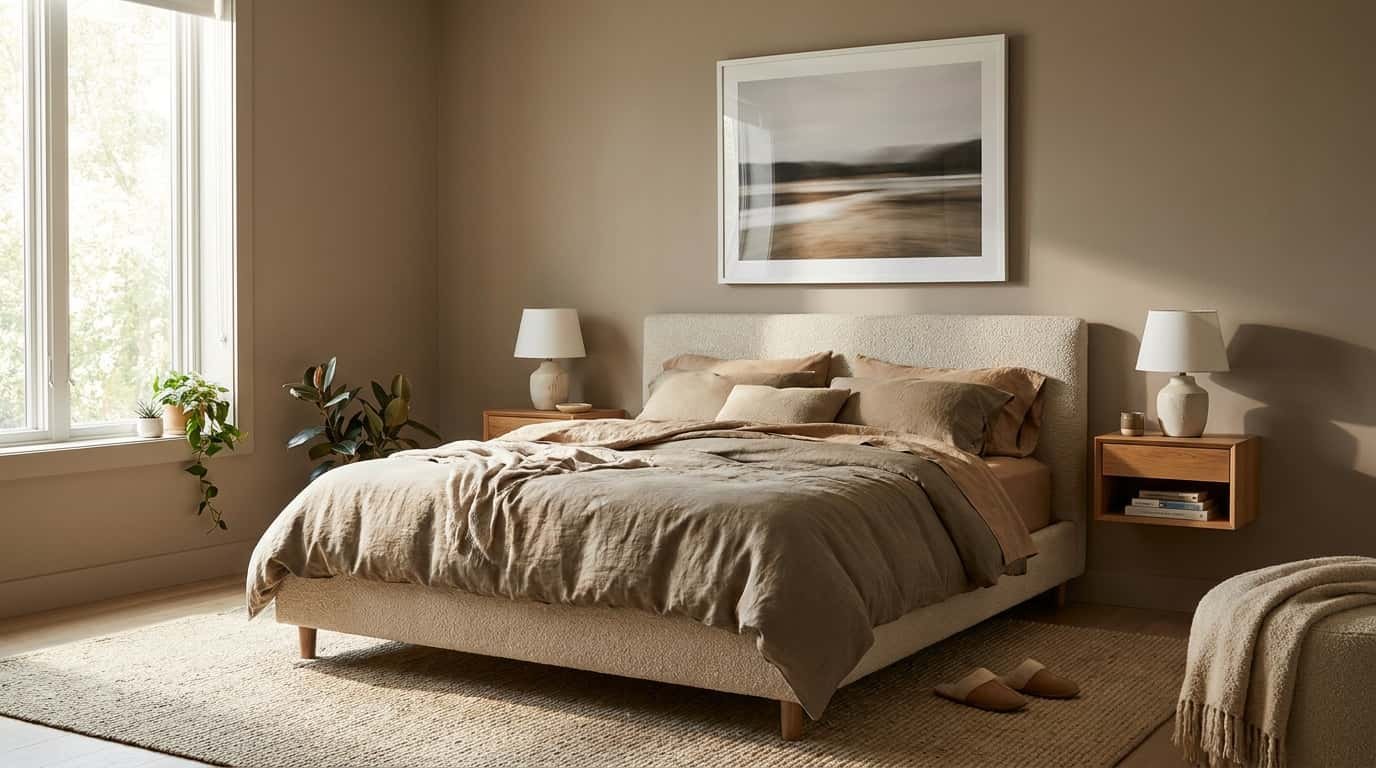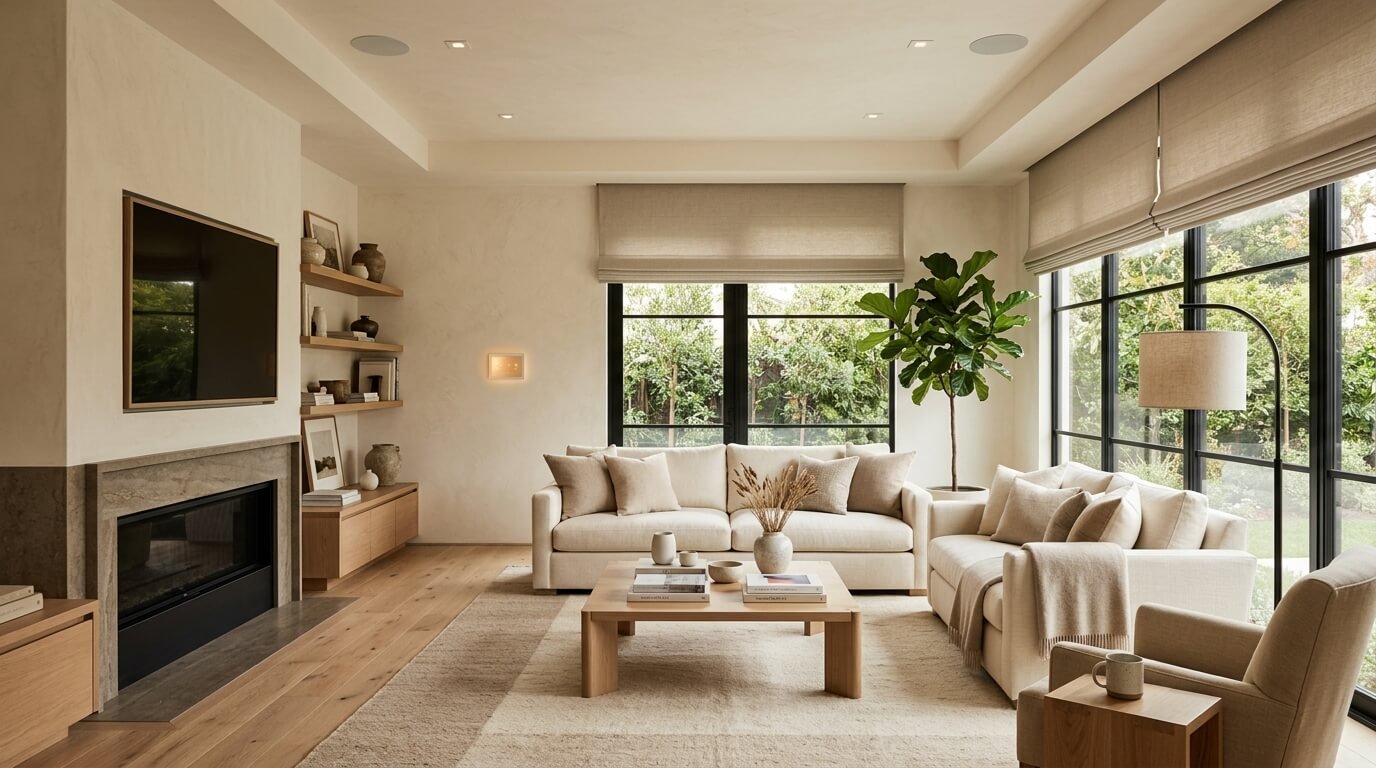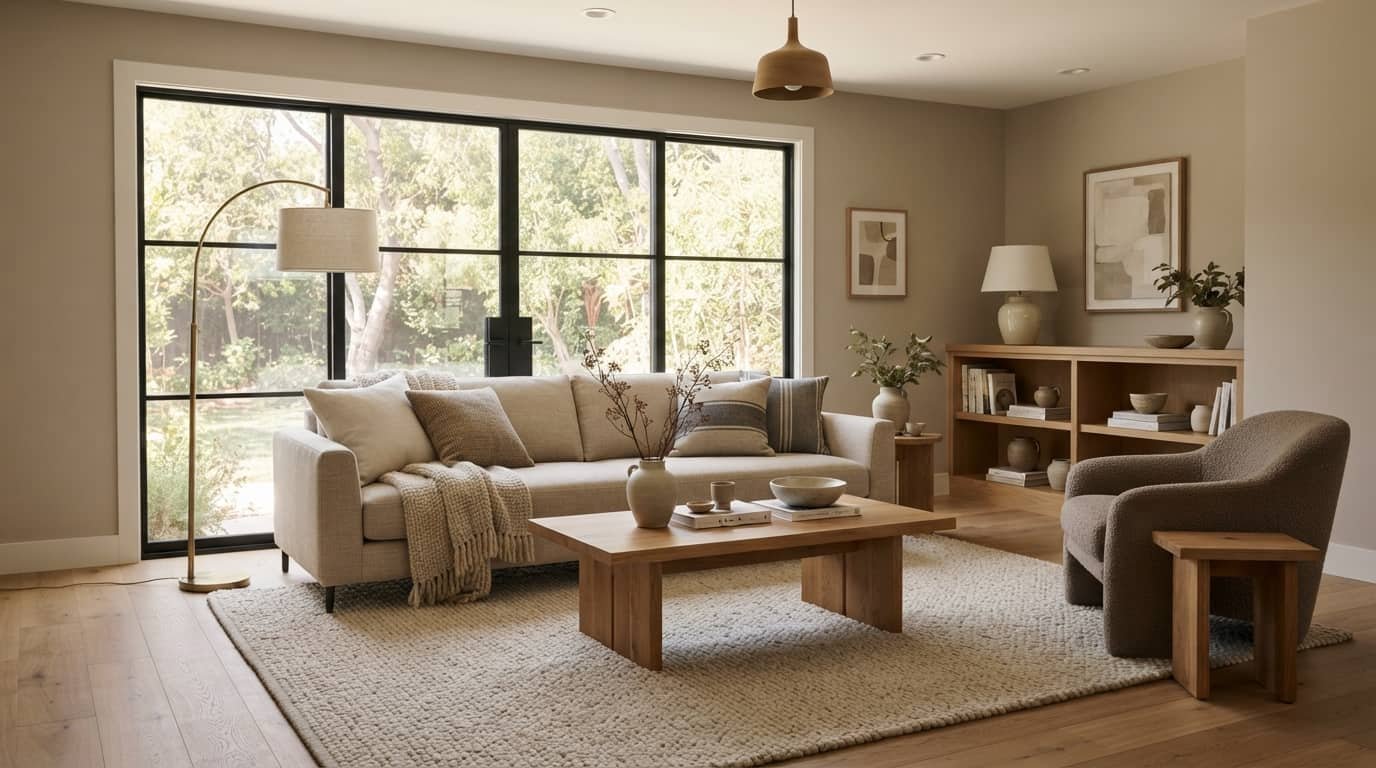
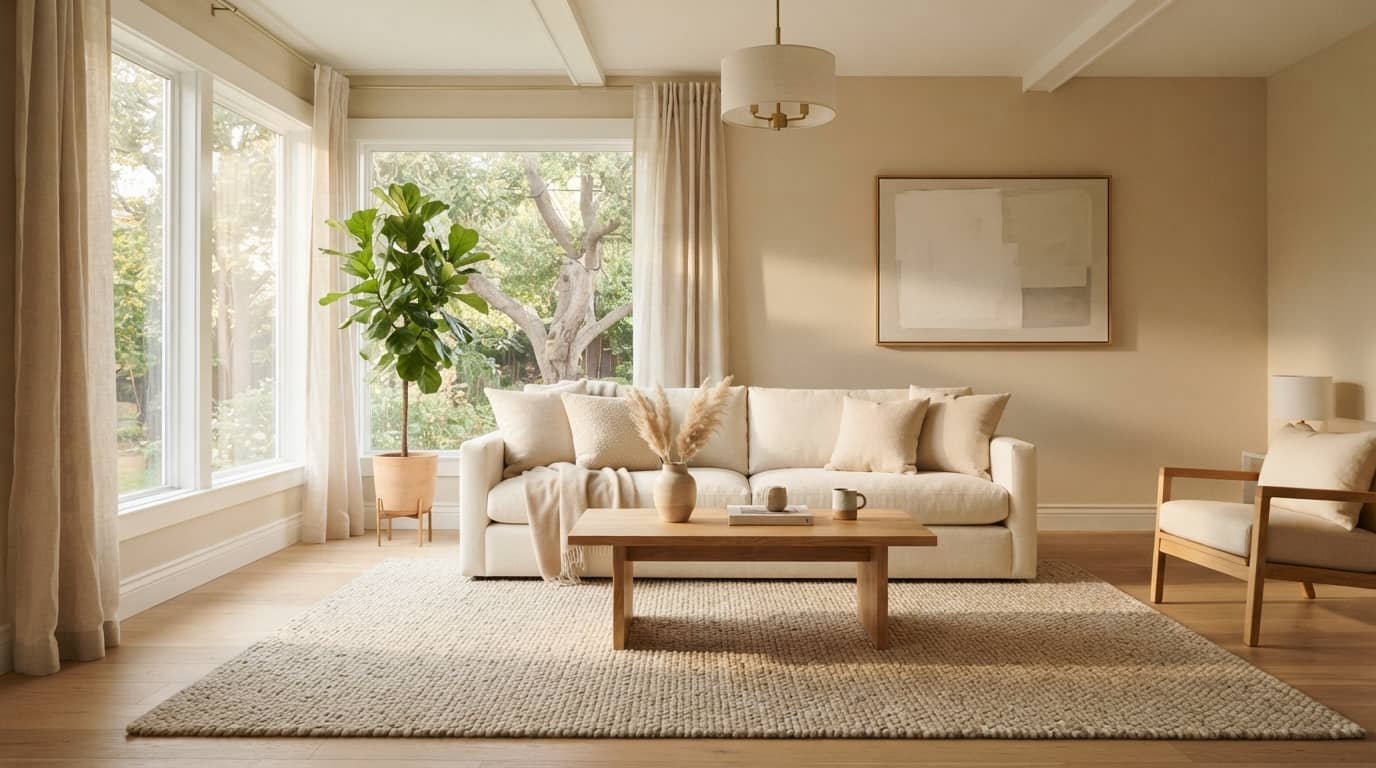
A minimalist home doesn’t have to look empty, cold, or completely white. You can have comfortable furniture, books, plants, family photos, and favourite pieces while still keeping the space calm and uncluttered.
The trick is being selective.
Instead of decorating every empty surface, choose pieces that serve a purpose, improve comfort, or add personality. A comfortable sofa is more valuable than a trendy chair you never use. A good lamp can do more for a room than several small decorations. And one meaningful piece of artwork can have more impact than a wall covered with random prints.
That’s the idea behind these minimalist home decor essentials: choosing fewer pieces that work harder and make sense for the way you actually live.
Whether you’re furnishing a new home, refreshing one room, or trying to make a crowded apartment feel calmer, here’s what is worth considering and what you can comfortably skip.
What Makes Something a Minimalist Decor Essential?
Not every simple-looking object belongs in a minimalist home.
Before buying anything, ask yourself four questions:
- Does it serve a useful purpose?
- Will it make the room more comfortable or functional?
- Does it work with what I already own?
- Will I still want it after the current trend passes?
Take a floor lamp, for example. It provides useful lighting, can fill an empty corner, and makes an evening seating area more comfortable. That’s a strong minimalist purchase.
A decorative object that simply occupies space may not be.
This doesn’t mean everything has to be practical. Artwork, ceramics, plants, and sentimental pieces can add character. They just shouldn’t leave you with a room full of things you have to clean, move, and maintain without getting much value from them.
A good rule is simple: every item should earn its place.
10 Minimalist Home Decor Essentials Worth Considering
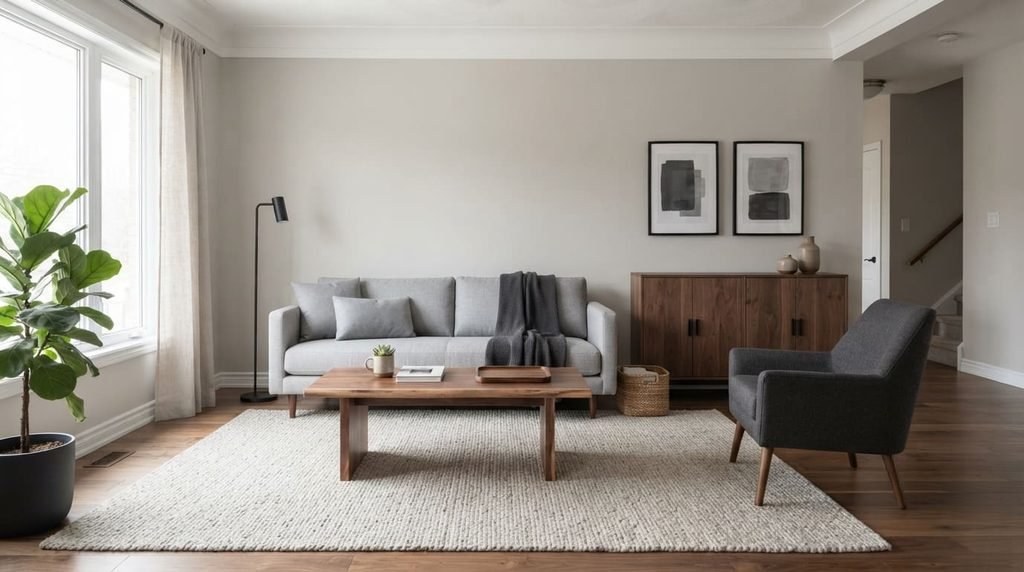
You don’t need to buy everything on this list. Start with the pieces your home is genuinely missing and build from there.
1. A Comfortable, Simple Sofa
In most living rooms, the sofa is one of the largest pieces of furniture, so it has a major effect on the entire space.
Look for a clean silhouette and a size that fits your room. Neutral upholstery such as cream, beige, gray, or muted earthy tones can make it easier to change smaller accents later.
But don’t choose appearance over comfort.
If your family spends evenings watching movies together, a stylish sofa that leaves everyone uncomfortable isn’t a good choice. A simple sofa that feels good to sit on and fits the room properly is much more useful.
Measure before buying, too. A sofa that looks perfectly proportioned online can feel enormous once it is sitting between your actual walls.
2. A Functional Coffee Table
A coffee table should make the seating area more useful, not become another surface for clutter.
Choose a size that works with your sofa and leaves comfortable walking space. If storage is limited, a table with a lower shelf can provide somewhere for books or baskets.
For a small apartment, nesting tables can be particularly useful. You can separate them when guests arrive and push them together when you need more open floor space.
Avoid choosing a coffee table simply because its shape looks minimalist. Its size, height, storage, and everyday usefulness matter more.
3. Practical Storage
A calm room is much easier to maintain when everyday belongings have somewhere to go.
Closed cabinets, sideboards, storage benches, baskets, and furniture with hidden compartments can keep things such as toys, blankets, cables, paperwork, and electronics from taking over visible surfaces.
This doesn’t mean everything needs to be hidden. Books or a few attractive objects can look great on an open shelf. The goal is to prevent useful everyday items from becoming visual clutter.
If you have a small living room, for example, a storage ottoman can provide both seating and a place to keep extra blankets.
4. An Area Rug
A rug can make a simple room feel warmer and more connected.
In a living room, it can visually bring the sofa, chairs, and coffee table together. In a bedroom, it adds softness around the bed.
Pay attention to size. A very small rug floating in the middle of a large seating area can make the furniture arrangement look disconnected.
If your furniture and walls are neutral, consider using texture rather than a busy pattern. A woven cream or natural-fiber rug can add enough visual interest without making the room feel crowded.
5. Layered Lighting
Minimalist decorating doesn’t mean relying on a single ceiling fixture.
A better approach is to combine different types of lighting according to how you use the room:
- Ambient lighting for general illumination
- Task lighting for reading, working, or other specific activities
- Accent lighting for softer atmosphere or highlighting a feature
For example, a living room might have an overhead fixture, a floor lamp beside the sofa, and a small table lamp in another corner.
You don’t need a dozen lamps. You simply want enough flexibility to make the room comfortable at different times of day.
6. Simple Window Treatments
Window treatments can provide privacy, control daylight, and make a room feel finished without adding unnecessary decoration.
Clean-lined curtains, simple shades, and blinds can all work well in a minimalist interior.
Think about the room before choosing them. A bedroom may need better light control for sleeping, while a living room with limited natural light may benefit from window treatments that allow more daylight through.
For renters, curtains can also make a significant difference without requiring permanent changes to the property.
7. A Few Pieces of Wall Art
Minimalist doesn’t mean leaving every wall completely bare.
In many rooms, one larger artwork can look more intentional than a collection of small pieces competing for attention.
Choose something you actually enjoy rather than artwork selected simply because it matches a current trend.
For example, a large abstract print above a sofa can create a focal point without requiring several smaller decorations around it.
And don’t feel pressured to fill every empty wall. Negative space is part of what gives a minimalist room its breathing room.
8. Natural Greenery
Plants can add color and soften simple furniture without creating much visual clutter.
Choose plants according to your home’s natural light and the amount of care you’re willing to provide. One healthy plant is better than five neglected ones.
A tall plant can work well in an empty corner, while a smaller plant can sit on a shelf or side table.
If you’re not interested in plant care, you don’t need to force greenery into the design. Minimalism is also about avoiding things that create unnecessary work.
9. Textured Soft Furnishings
Simple furniture and a restrained color palette can sometimes make a room feel flat.
Texture helps solve that problem.
Think about:
- Linen curtains
- Cotton cushions
- Wool or woven rugs
- Soft throws
- Natural-fiber baskets
- Textured bedding
Imagine a room with cream walls, a beige sofa, and a simple wooden table. Adding a woven rug and a soft throw can make the space feel warmer without adding several more decorative objects.
When a room needs more interest, try changing the texture before adding more stuff.
10. One or Two Meaningful Decorative Pieces
A minimalist home should still feel like it belongs to the people who live there.
A handmade ceramic bowl, framed family photograph, vintage find, travel souvenir, or small sculpture can give a room personality.
The important part is selection.
Instead of filling a shelf with ten generic accessories, choose one or two pieces you genuinely like and give them enough space to stand out.
Minimalism isn’t about removing personality. It’s about giving personality room to breathe.
How to Make Minimalist Decor Feel Warm, Not Empty
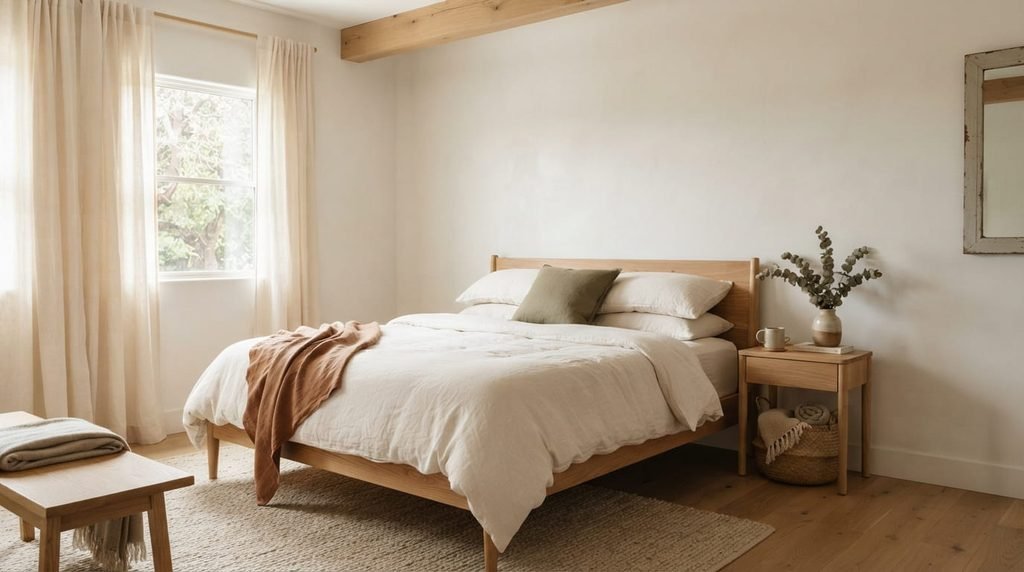
One common mistake is removing so much that the room stops feeling comfortable.
A minimalist interior still needs warmth, softness, and signs of everyday life.
Start with materials. Natural wood, linen, cotton, wool, woven fibers, and stone can add visual depth without making a room busy.
Then look at lighting. Warm, layered light can make simple furniture feel much more inviting in the evening.
You can also use a restrained color palette rather than relying entirely on white. Cream, beige, warm gray, muted green, brown, and other natural shades can create a calm atmosphere.
Finally, leave some things alone.
Not every empty corner needs a plant. Not every shelf needs an object. Not every wall needs artwork.
Negative space is useful when it allows the important parts of the room to stand out.
Minimalist Decor Essentials by Room
The right essentials depend on how each room is used. You don’t need to apply exactly the same decorating formula throughout the house.
Living Room
Focus on:
- Comfortable seating
- Coffee table
- Area rug
- Practical storage
- Layered lighting
- A small number of meaningful accents
Get the furniture arrangement working before buying accessories. This prevents you from decorating around a layout that doesn’t actually suit the room.
Bedroom
A minimalist bedroom should support rest rather than become another storage area.
Useful basics include:
- Comfortable bed
- Quality bedding
- Nightstand
- Bedside lighting
- Practical storage
- Simple curtains or shades
You don’t need perfectly matching furniture. Keeping the number of colors and finishes under control can create a cohesive look without buying a complete bedroom set.
Kitchen
Kitchens are naturally more functional, so minimalism here is largely about reducing visual clutter.
Keep countertops as clear as practical. Store appliances and utensils that you rarely use, while leaving frequently used items accessible.
A wooden cutting board, fruit bowl, or a few attractive containers can provide personality without covering every inch of counter space.
If you’re working with limited square footage, focus especially on storage and usable counter space before decorative accessories.
Entryway
The entryway only needs a few useful pieces.
Depending on your space, that might mean:
- A slim console or shelf
- Mirror
- Hooks
- Small basket
- One decorative accent
The main goal is to give shoes, bags, keys, and mail a designated place so they don’t immediately create clutter.
Bathroom
Keep bathroom decor functional and easy to maintain.
Coordinated towels, practical storage, a mirror, and perhaps one small decorative or natural element can be enough.
Rather than leaving every toiletry bottle on the counter, use drawers, cabinets, or a small organizer for the items you don’t need constantly.
How to Create a Minimalist Home on a Budget
Minimalist decorating can be budget-friendly because you don’t need to buy a large number of accessories.
In fact, the cheapest place to start is your own home.
Before shopping, try removing things you don’t use, rearranging furniture, moving a lamp from another room, and clearing unnecessary items from shelves and countertops.
Live with the changes for a few days. You may discover that the room didn’t need new decor at all.
When you do need to buy something, prioritize items you use frequently.
Worth spending more on
- Sofa
- Mattress and bed
- Frequently used furniture
- Durable lighting
- Quality storage
Places to save
- Decorative objects
- Picture frames
- Cushions
- Baskets
- Small accent tables
- Artwork
Secondhand stores, estate sales, and local resale marketplaces can also be useful for finding solid furniture at lower prices.
The goal isn’t to make the room look expensive. It’s to spend money where it improves your everyday experience.
Minimalist Decor for Small Spaces and Rentals
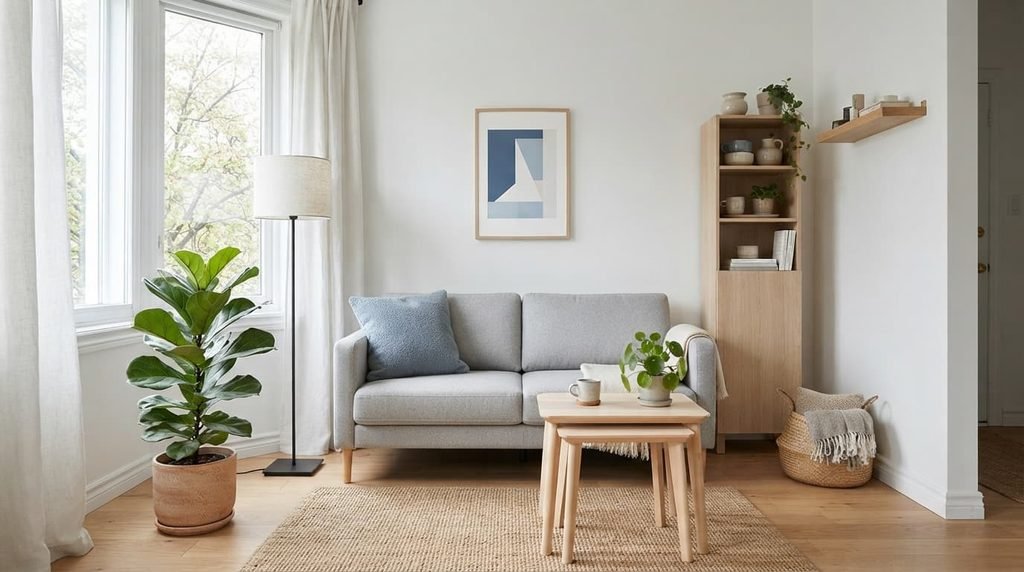
Minimalism can work especially well in apartments and rental homes because limited floor space makes unnecessary furniture and clutter more noticeable.
Look for pieces that can perform more than one job.
A storage ottoman can provide seating and hold blankets. A narrow console can provide an entryway surface without taking up much room. A bed with built-in drawers can reduce the need for a separate dresser.
Use vertical space when necessary, but don’t cover every wall with shelves. Too much open storage can simply move the clutter from the floor to the walls.
Renters have plenty of options, too. Rugs, curtains, lamps, freestanding storage, artwork, and removable hooks can change a room without permanent renovations.
Before buying furniture, measure the room and the route the furniture will take through your home. A piece that technically fits the room isn’t useful if you can’t get it through the doorway.
What You Don’t Need in a Minimalist Home
Knowing what to skip is just as important as knowing what to buy.
You probably don’t need:
- A decorative object on every surface
- A matching furniture set
- Several tiny accessories
- Furniture with no clear purpose
- Every new home decor trend
- Open shelving for everything you own
- Multiple versions of the same item
- Decor that creates extra cleaning and maintenance
Be particularly careful with products marketed as “minimalist.”
A simple black vase may have a minimalist shape, but that doesn’t make it an essential. If you already own three vases and rarely use them, another one only adds to the collection.
Before purchasing, ask whether the item improves your home or simply fills an empty spot.
7 Minimalist Decorating Mistakes to Avoid
1. Using Only White
White is popular in minimalist interiors, but it isn’t required.
Cream, beige, gray, brown, muted green, and other restrained colors can work just as well. What matters more is having a controlled palette.
2. Removing Too Much Furniture
A room doesn’t automatically become better every time something is removed.
If getting rid of the side table means you no longer have anywhere to place a drink, lamp, or book, you’ve reduced functionality rather than clutter.
3. Buying Too Many Minimalist Accessories
This is an easy trap.
You can end up with a room full of simple vases, trays, sculptures, and decorative boxes while still technically following a minimalist style.
Simple objects can become clutter too.
4. Ignoring Texture
A room filled with smooth beige and white surfaces can feel cold.
Bring in texture through rugs, curtains, cushions, wood, woven materials, and bedding before adding more decorative objects.
5. Choosing Furniture That’s Too Large
Oversized furniture can overwhelm a small room and leave little usable space.
Measure the actual room rather than relying on how spacious furniture looks in a showroom or online photograph.
6. Relying on One Light Source
A single ceiling fixture may illuminate the room, but it won’t necessarily create a comfortable atmosphere.
Use different light sources where they serve a genuine purpose.
7. Removing Personal Items
A home shouldn’t look like a furniture showroom.
Books, photographs, artwork, collections, and meaningful objects can make a minimalist home feel lived-in. The goal is to edit them, not erase them.
A Simple Minimalist Decor Shopping Checklist
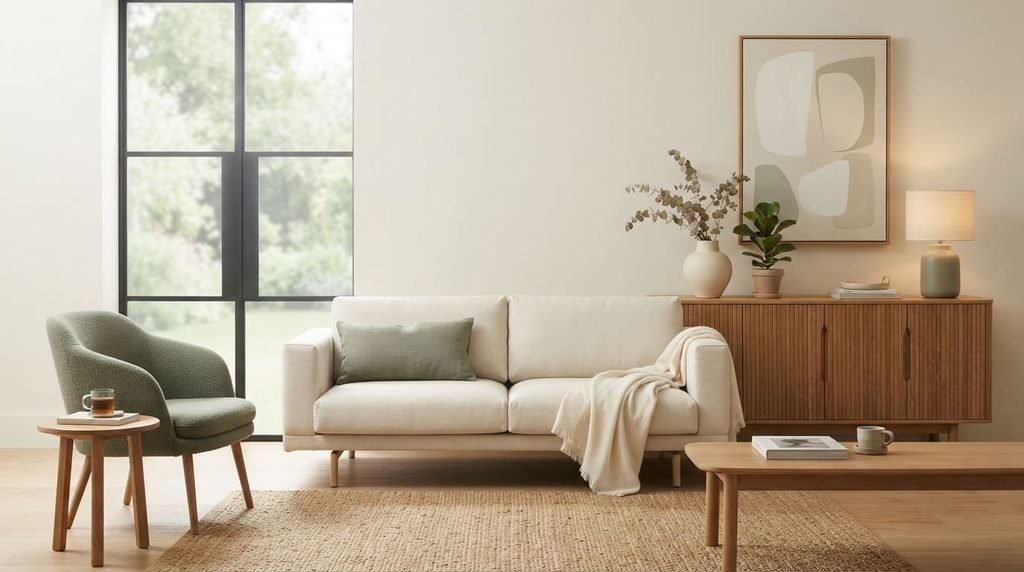
Before adding anything to your shopping cart, ask:
Does it solve a real problem?
If you already own something that performs the same job, you may not need another one.
Does it fit my space?
Measure furniture and check dimensions carefully before buying.
Does it work with what I already own?
It doesn’t have to match perfectly, but it should make sense with your existing colors, materials, and furniture.
Will I actually use it?
A beautiful item that sits untouched for years isn’t necessarily a good purchase.
Will it create more work?
Think about cleaning, maintenance, storage, and repairs.
Would I still want it if it weren’t trending?
This question can prevent a surprising number of impulse purchases.
You can also divide your shopping list into three categories:
Need first
Items that solve a genuine functional problem.
Nice to have
Items that improve comfort or add personality.
Skip for now
Items that duplicate something you already own or simply fill empty space.
That simple system can help you create a calmer home without turning minimalism into another reason to shop.
Frequently Asked Questions
What are the essentials of minimalist home decor?
The basics include functional furniture, practical storage, appropriate lighting, comfortable textiles, and a small number of intentional decorative pieces. The exact essentials depend on the room and how you use it.
How do I start decorating my home in a minimalist style?
Start with what you already have. Remove things you don’t use, improve the furniture layout, organize visible clutter, and identify what the room is actually missing. Only then decide what you need to buy.
What colors work best for minimalist home decor?
Neutral and muted colors such as cream, beige, white, gray, brown, and soft natural tones work well. However, minimalist decorating isn’t limited to neutrals. A restrained color palette is more important than choosing one specific color.
Does minimalist decor have to be expensive?
No. You can create a minimalist home by buying fewer items, reusing existing furniture, shopping secondhand, and spending more selectively on pieces you use every day.
How can I make a minimalist home feel cozy?
Use texture, warm lighting, natural materials, comfortable textiles, plants, and a few personal objects. Minimalism feels more inviting when the room has warmth and character rather than simply empty space.
Can renters create a minimalist home?
Yes. Rugs, curtains, lamps, freestanding storage, artwork, removable hooks, and thoughtful furniture placement can make a rental feel simpler and more organized without permanent renovations.
Final Thoughts
The best minimalist home isn’t necessarily the one with the fewest possessions. It’s the one where the things you own have a clear reason for being there.
Start with furniture and storage that make everyday life easier. Add lighting and textiles that improve comfort. Then bring in a few pieces that reflect your personality.
You don’t need to replace everything or buy a house full of products labeled “minimalist.”
Sometimes the most useful change is simply removing what you don’t use and giving the things you already love more room to stand out.
When every item earns its place, your home can feel calmer, more comfortable, and easier to live in and that’s what minimalist decorating should really be about.