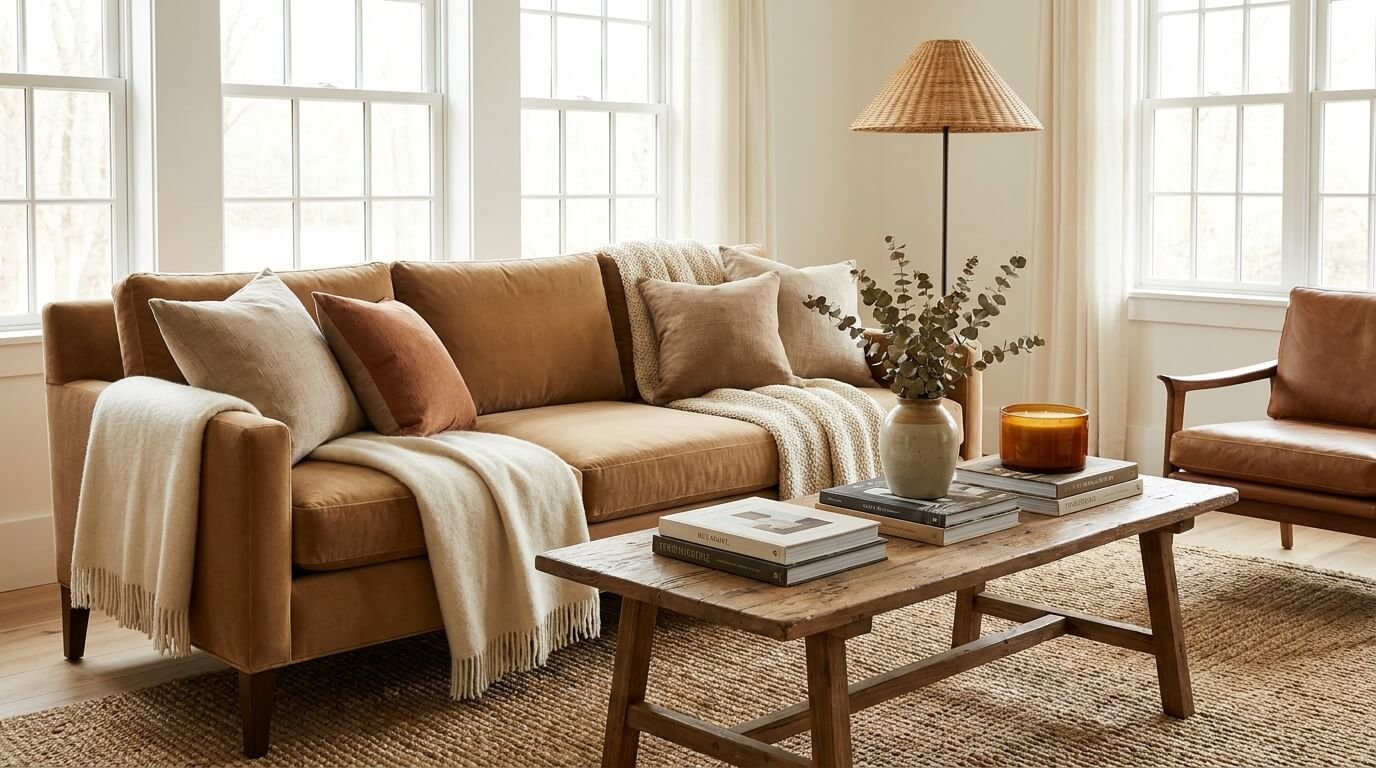
Your home doesn’t need a complete renovation to feel more comfortable, organized, and modern. Sometimes the biggest difference comes from small improvements that solve everyday problems.
That is where home hacks DecoradTech can be useful. The idea is to bring together practical home hacks, thoughtful decorating, organization, and smart technology so your home looks better while working better for the people who live in it.
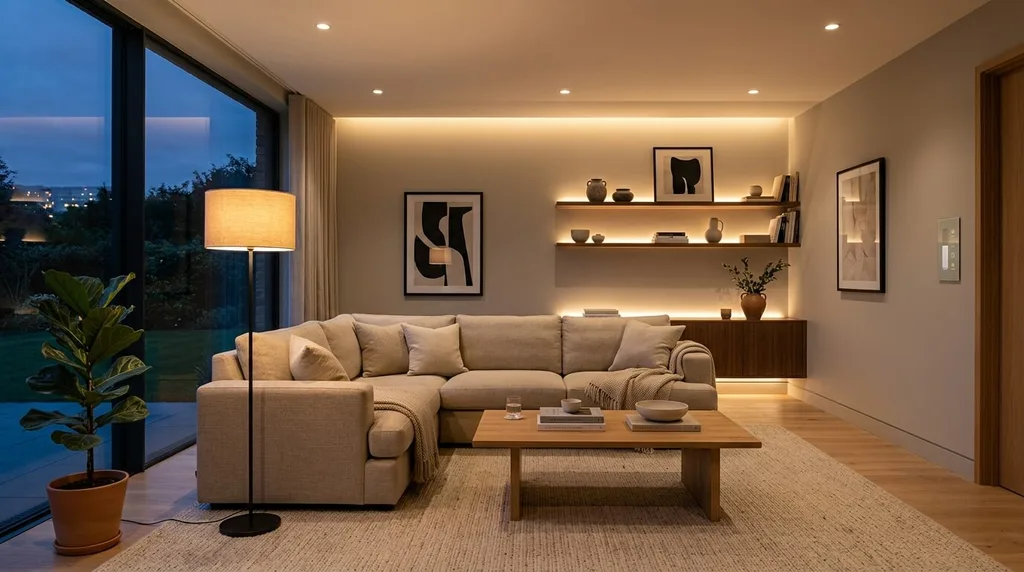
Think about a living room with hidden cables, flexible lighting, useful storage, and simple automation. Or a kitchen where under-cabinet lighting makes food preparation easier while keeping the counters visually clean. These are not necessarily expensive projects. They are examples of making your space more functional without sacrificing style.
Below are practical ideas you can use room by room, whether you’re upgrading a single area or gradually creating a smarter home.
What Is Home Hacks DecoradTech?
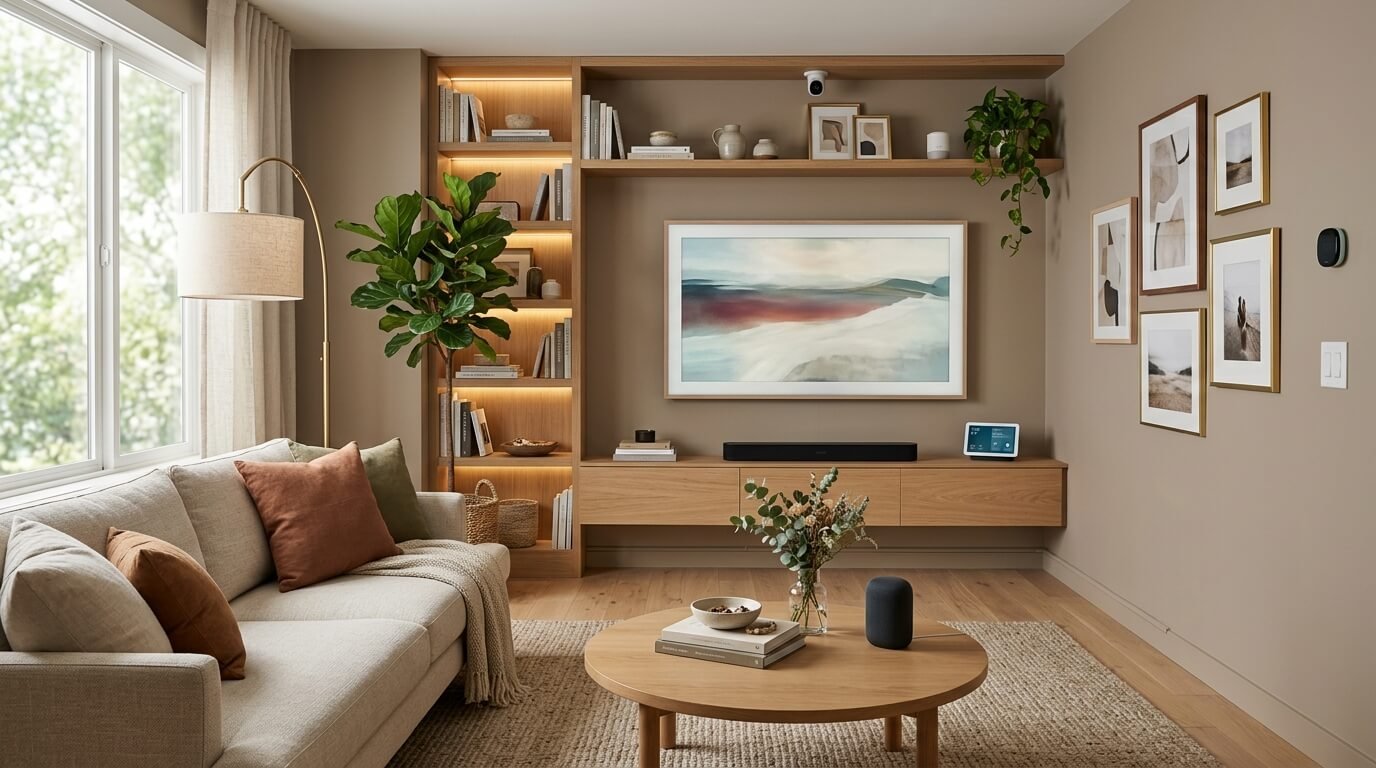
Home Hacks DecoradTech is best understood as an approach to home improvement that combines decor, practical upgrades, organization, and smart-home technology.
Traditional home decorating often concentrates on appearance. Smart-home technology focuses more on convenience, automation, security, or energy management. A DecoradTech approach brings those goals together.
For example, instead of installing smart lighting simply because it is a connected device, you might use adjustable lighting to create a relaxing evening atmosphere, improve task lighting in the kitchen, and reduce unnecessary energy use.
The same principle can apply to storage, home offices, bedrooms, entertainment areas, security, and outdoor spaces.
The goal isn’t to turn your house into a showroom full of gadgets. It’s to choose improvements that solve real problems and fit naturally into your home’s design.
25 Home Hacks DecoradTech Ideas to Try
1. Use Smart Lighting to Change the Atmosphere
Lighting is one of the easiest ways to change how a room feels.
Use warmer lighting in living rooms and bedrooms for a relaxed atmosphere, while brighter task lighting can be useful in kitchens, offices, and reading areas.
If you use compatible smart bulbs or lighting controls, you can create different settings for different times of day.
For example, a living room might use brighter lighting during the afternoon and a softer setting in the evening when you’re watching television or talking with family.
2. Hide Cables for a Cleaner Look
Even a beautifully decorated room can look messy when cables hang behind a television or are scattered across a desk.
Start by grouping cables according to the devices they serve. Cable sleeves, clips, channels, and organized charging stations can help keep them under control.
For a home office, route frequently used cables toward one accessible charging area instead of letting several cords cross the desk.
If you’re routing cables through walls, follow applicable building and electrical requirements rather than improvising.
3. Create a Dedicated Charging Station
Phones, tablets, watches, and other devices can quickly turn countertops and bedside tables into cluttered charging areas.
Create one dedicated charging zone using a drawer, cabinet compartment, shelf, or suitable organizer.
A simple example is a nightstand drawer with cable-management openings that keeps chargers accessible without scattering them across the surface.
This is a small change, but it can make a bedroom or office feel considerably more organized.
4. Add Motion-Sensor Lighting Where It Makes Sense
Motion-activated lighting can be particularly useful in spaces where you often enter with your hands full.
Good candidates include:
- Closets
- Pantries
- Hallways
- Laundry rooms
- Stairways
- Garages
For example, a pantry light that activates when someone enters can be more convenient than searching for a switch while carrying groceries.
Use sensors where they solve a genuine inconvenience rather than installing them everywhere.
5. Upgrade Kitchen Lighting
A kitchen needs more than one bright ceiling light.
Combine ambient lighting with task lighting in areas where you prepare food. Under-cabinet lights can illuminate countertops while also adding a subtle decorative element.
You can take the idea further with compatible dimmers or smart controls that let you adjust lighting for cooking, cleaning, entertaining, or late-night use.
The important part is placement. A bright light that creates shadows directly over your work surface isn’t doing much good.
6. Turn Suitable Existing Devices Into Smarter Ones
You don’t always have to replace an appliance to introduce smart-home functionality.
For compatible devices, smart plugs can provide additional control over lamps and certain small appliances.
Before using one, check the smart plug’s electrical rating and the appliance manufacturer’s requirements. Not every appliance is appropriate for use with a smart plug.
The best home upgrade is one that is both useful and technically appropriate.
7. Make Your Entryway More Functional
The entryway is often the first place where clutter accumulates.
A practical setup might combine:
- A narrow console
- Shoe storage
- Hooks for everyday items
- A mirror
- Good lighting
- A key organizer
- A charging point
- Appropriate smart security devices
The idea is to give everyday objects a designated place.
If keys, bags, shoes, and mail all have somewhere to go, the entrance can remain organized without constant tidying.
8. Layer the Lighting in Your Bedroom
A bedroom usually feels more comfortable when it has several lighting options rather than one bright overhead fixture.
Try combining bedside lighting with softer accent lighting and adjustable overhead illumination.
Compatible smart controls can make this even more convenient. For example, you could create an evening setting that turns off selected lights while leaving a low-level hallway light available.
Keep the setup simple enough that everyone in the household can use it without frustration.
9. Consider Automated Curtains or Blinds
Motorized curtains and blinds can be useful for hard-to-reach windows or rooms where controlling sunlight throughout the day is important.
They can also be integrated into suitable smart-home routines.
For example, bedroom blinds could open gradually in the morning, while living-room shades could close during the hottest part of the afternoon.
However, automation isn’t automatically better. Start with the windows where it provides a clear benefit.
10. Design a Smarter Home Office
A productive home office doesn’t need to be packed with technology.
Start with:
- A comfortable chair
- A suitable desk
- Good task lighting
- Organized cables
- Practical storage
- A clean working surface
Then add technology where it solves a specific problem.
A smart lamp, charging station, suitable power-management solution, or simple lighting routine may be more valuable than a desk covered with unnecessary gadgets.
11. Choose Furniture That Provides Storage
Decor can also solve organizational problems.
Consider furniture such as:
- Storage ottomans
- Benches with compartments
- Beds with drawers
- Wall-mounted shelves
- Console tables with cabinets
- Decorative baskets
This is particularly useful in apartments and smaller homes.
Instead of adding another decorative object, choose something that provides storage while complementing the room.
12. Make a Small Room Feel More Spacious
You don’t have to knock down a wall to make a room feel larger.
Start with visual clutter. Remove furniture you don’t need and avoid filling every available surface.
Mirrors, vertical storage, appropriately sized furniture, and layered lighting can also improve the sense of space.
For example, a narrow wall-mounted shelf can provide storage without taking up the floor area that a bulky cabinet would require.
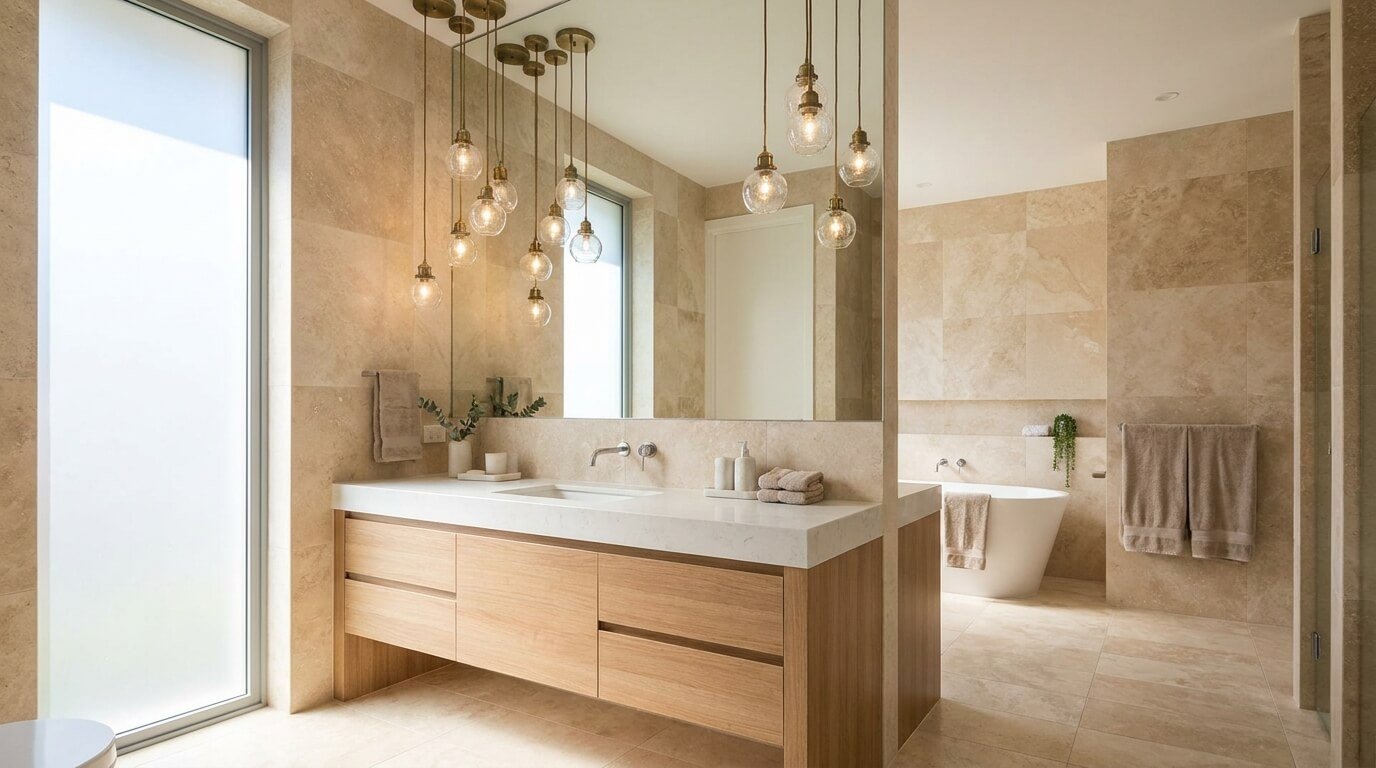
13. Give the Bathroom a Functional Upgrade
Bathroom improvements don’t have to involve a complete remodel.
Better lighting, improved storage, ventilation, heated mirrors, and suitable technology can make the space more comfortable.
However, bathrooms require particular attention to electrical and moisture safety. Only use devices that are appropriately rated for the location, and follow manufacturer instructions and applicable electrical requirements.
A good bathroom upgrade should improve convenience without introducing unnecessary risk.
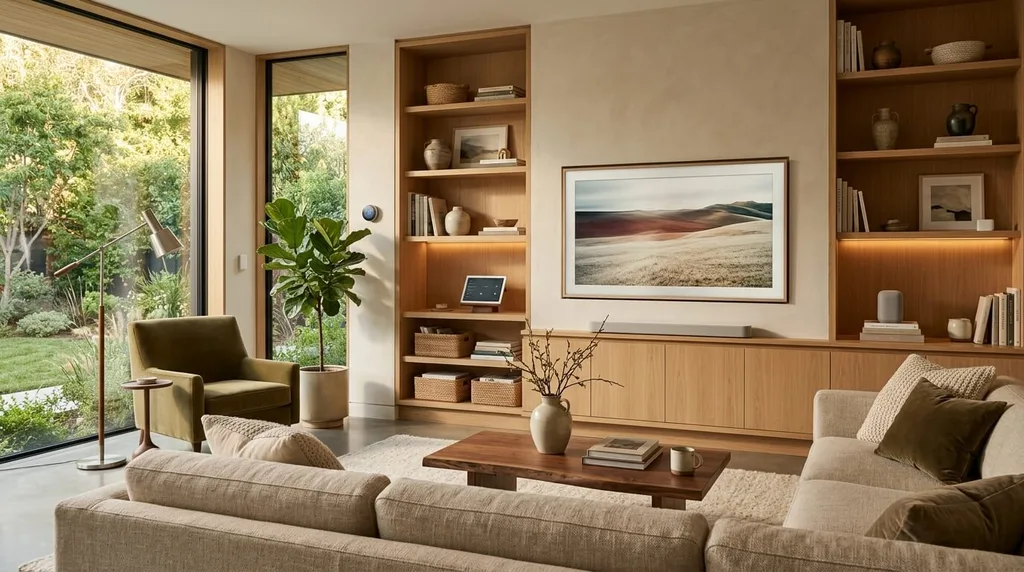
14. Organize Your Entertainment Area
Televisions, game consoles, streaming devices, speakers, remotes, and power cables can quickly create visual clutter.
Start by deciding which equipment you actually use. Then give the remaining devices a designated location.
Closed cabinets can hide accessories, while cable management keeps connections organized.
If several compatible devices are regularly used together, simple automation can also make common routines easier.
15. Add Practical Smart Security
Security is one area where smart technology can provide a clear practical benefit.
Depending on your home and requirements, options may include:
- Video doorbells
- Smart locks
- Security cameras
- Motion sensors
- Door and window sensors
- Exterior lighting
Convenience should not come at the expense of privacy.
Use strong passwords, enable multi-factor authentication when available, keep devices updated, and understand how recordings and other data are stored.
16. Consider a Smart Thermostat
If your heating and cooling system is compatible, a smart thermostat can make temperature scheduling and management more convenient.
But compatibility should come first.
Check the requirements of your existing HVAC system before purchasing a thermostat. Different heating and cooling systems may require different types of controls.
Also remember that smart controls are only one part of energy efficiency. Insulation, maintenance, sealing drafts, and sensible temperature settings can be equally important.
17. Install Under-Cabinet Lighting
Under-cabinet lighting can make a kitchen feel more finished while providing useful task illumination.
It works particularly well above countertops where overhead lighting can leave shadows.
Choose a setup that illuminates the work surface rather than simply creating a bright strip along the cabinet.
This is one of the simpler upgrades that can improve both appearance and everyday functionality.
18. Create a Clutter-Free Living Room
Living rooms often need to support several activities at once.
You might watch television, entertain guests, read, work, or relax in the same space.
Give each activity enough room and provide storage for the things that tend to accumulate.
Remote controls, game controllers, charging cables, blankets, and small accessories should have designated storage rather than living permanently on coffee tables and sofas.
19. Use Smart Sensors Strategically
Sensors can automate small tasks and provide useful information about your home.
Depending on the device, sensors can monitor things such as:
- Motion
- Doors and windows
- Temperature
- Light levels
- Water leaks
Don’t install sensors simply because you can.
Start with a specific problem. If a basement is at risk of water leaks, a suitable leak sensor may provide much more value than adding several unnecessary automation devices elsewhere.
20. Combine Home Improvements With Energy Efficiency
Smart technology can make energy management easier, but it shouldn’t replace basic efficiency improvements.
Start with practical measures such as:
- Switching inefficient lighting to suitable LED alternatives
- Reducing unnecessary lighting
- Sealing obvious drafts
- Maintaining heating and cooling equipment
- Improving insulation where appropriate
- Avoiding unnecessary standby consumption
Then use compatible smart controls to support those habits.
For example, automated lighting can help reduce the chance of lights remaining on in an empty room.
21. Extend Your Home Upgrade Ideas Outdoors
Your front porch, patio, balcony, or backyard can also benefit from thoughtful upgrades.
Consider:
- Suitable outdoor lighting
- Weather-resistant storage
- Comfortable furniture
- Irrigation controls
- Outdoor security devices
- Organized garden tools
For example, appropriately rated motion-activated lighting near an entrance can improve nighttime visibility while supporting a broader home-security strategy.
Outdoor electrical products should always be specifically designed for outdoor use and installed according to their requirements.
22. Use Multifunctional Furniture in Small Spaces
When space is limited, multifunctional furniture can make a significant difference.
A storage bench can provide seating and organization. A sofa bed can turn a living room into a guest space. A desk can serve as both a workspace and a dressing area.
Before buying a new piece, ask:
Can this solve two problems instead of one?
That simple question can help reduce clutter and make a small home more efficient.
23. Build a Simple Smart Bedroom Routine
Automation works best when it supports habits you already have.
For example, an evening routine might reduce selected lights, adjust compatible devices, and switch off equipment that doesn’t need to remain active.
A morning routine could gradually increase lighting or activate other compatible devices.
Avoid overly complicated routines. If you constantly need to troubleshoot your automation, it has stopped being convenient.
24. Start a Smart Home on a Budget
You don’t need to upgrade your entire home at once.
Begin with inexpensive changes that solve obvious problems.
Under $50
Depending on local prices, consider:
- Decluttering
- Cable organization
- Better storage
- Rearranging furniture
- Basic lighting improvements
$50–$150
You may be able to add:
- Smart bulbs
- Suitable smart plugs
- LED lighting
- Small organization systems
$150–$500
Possible projects include:
- Multiple lighting zones
- Sensors
- Suitable security devices
- Smart-home controllers or speakers
$500+
Larger upgrades might include:
- Smart thermostats
- Motorized blinds
- Expanded security systems
- More extensive home automation
Prices vary considerably by location, brand, installation requirements, and existing equipment, so treat these as planning ranges rather than fixed costs.
How to Set Up Your Home DecoradTech System
If you’re starting from scratch, resist the temptation to buy several smart devices immediately.
A better approach is to build your setup around actual problems.
Step 1: Identify What You Want to Improve
Walk through your home and make a short list.
Maybe your kitchen is poorly lit. Perhaps your home office has cable clutter. Maybe you’re constantly adjusting lights or forgetting to turn them off.
Choose one or two problems first.
Step 2: Decide What Technology You Actually Need
Once you know the problem, identify the simplest technology that could solve it.
Don’t start with a shopping list of gadgets.
Start with:
Problem → solution → device.
This prevents unnecessary spending.
Step 3: Check Compatibility
Before buying smart devices, check whether they work with your existing equipment and preferred smart-home platform.
Compatibility can affect everything from setup to voice control and automation.
Step 4: Improve the Room Before Automating It
Technology won’t fix a badly organized room.
Manage cables, improve storage, adjust furniture placement, and remove unnecessary clutter first.
Then add smart features where they genuinely improve the space.
Step 5: Start With One Room
Choose the room where an upgrade will have the greatest everyday impact.
A living room might benefit from lighting and cable management. A kitchen might benefit from task lighting and organization. A home office might benefit from better lighting and charging solutions.
Step 6: Create Simple Automations
Once everything works independently, introduce automation gradually.
Start with one useful routine instead of building a complicated system immediately.
Step 7: Secure Your Devices
Smart-home equipment is connected technology, so security matters.
Use strong unique passwords, enable multi-factor authentication where available, install updates, and review privacy settings.
Step 8: Evaluate Before Expanding
Live with your setup for a while.
If a device genuinely makes your routine easier, you can consider expanding. If you rarely use it, there’s no reason to keep adding similar technology.
Traditional Home Decor vs. DecoradTech
A traditional decorating approach and a DecoradTech approach don’t have to compete.
They can work together.
| Traditional Home Decor | DecoradTech Approach |
|---|---|
| Primarily focuses on appearance | Balances appearance and functionality |
| Manual lighting | Adjustable or automated lighting where useful |
| Conventional storage | Storage combined with practical organization |
| Technology added separately | Technology integrated into the room |
| Fixed routines | Automation where it provides genuine convenience |
| Decorative furniture | Decorative furniture with additional functions |
The important thing is balance.
A smart device that looks out of place, creates cable clutter, or complicates a simple task isn’t necessarily a better choice.
How to Choose the Right Home Upgrade
When deciding between several projects, evaluate each one using four questions:
Does it solve a real problem?
If you can’t identify the problem, you may not need the upgrade.
Will you use it regularly?
An improvement you use every day can provide more practical value than an expensive feature you rarely touch.
Does it fit your home?
Consider appearance, space, maintenance, and compatibility.
Is the installation worth the effort?
Some upgrades are easy DIY projects, while others may require professional installation.
Understanding that difference before starting can save both money and frustration.
Common Home Hacks DecoradTech Mistakes
Buying gadgets before planning
Technology should support your home rather than dictate its design.
Trying to automate everything
Automation is useful when it removes repetitive work. Not every switch needs to become smart.
Ignoring compatibility
A device that doesn’t work properly with your existing system can create unnecessary complexity.
Forgetting cable management
Connected technology still requires physical equipment and cables. Plan where everything will go before installation.
Choosing style over function
A beautiful product isn’t a good upgrade if it doesn’t solve a real problem.
Choosing function without considering design
The opposite is also true. A useful device shouldn’t automatically become an eyesore.
Ignoring security
Connected devices need regular updates, secure accounts, and sensible privacy settings.
Which Home Upgrades Should You Do First?
If you’re working with a limited budget, prioritize improvements based on how often you’ll use them.
A practical sequence is:
- Declutter and organize
- Improve cable management
- Fix lighting problems
- Improve storage
- Add simple smart controls
- Address security needs
- Improve energy management
- Add advanced automation
This approach lets you build a smarter, better-looking home without spending heavily from the beginning.
Are DecoradTech Home Upgrades Worth It?
They can be, but the value depends on the individual upgrade.
A relatively inexpensive lighting improvement that you use every evening may provide more value than an expensive device that rarely gets used.
Before buying anything, ask:
- What problem does this solve?
- How often will I use it?
- Does it work with my existing setup?
- Will it make the room look better or worse?
- Can I maintain it easily?
- Is there a simpler solution?
The answers will usually tell you whether the upgrade is worth pursuing.
Frequently Asked Questions
What does Home Hacks DecoradTech mean?
Home Hacks DecoradTech describes an approach that combines practical home hacks, decorating, organization, home upgrades, and smart technology to make a home more attractive and functional.
What are the best DecoradTech home upgrades?
Useful starting points include better lighting, cable management, improved storage, suitable smart plugs, practical security devices, under-cabinet lighting, and simple automation.
How do I set up a smart home?
Start with a specific problem, choose compatible technology, begin with one room, secure your devices, and add simple automations gradually.
What is the easiest smart-home upgrade?
Smart lighting is often a relatively simple starting point because it can change the atmosphere and functionality of a room without requiring a major renovation. Compatibility and installation requirements should still be checked before purchasing.
How can I make my home smarter without spending a lot?
Start with organization, lighting, and cable management. Then add a small number of compatible smart devices that solve problems you actually experience.
Can renters use DecoradTech ideas?
Yes. Renters can focus on portable or non-permanent improvements such as smart bulbs, suitable smart plugs, furniture changes, cable management, removable storage solutions, and portable lighting. Check your lease before making permanent modifications.
Should I automate my entire home?
No. A smaller system built around genuine needs is often easier to use and maintain than a complicated setup filled with devices you rarely need.
Final Thoughts
The best home hacks DecoradTech ideas aren’t about filling your house with technology.
They’re about making thoughtful improvements that combine style, comfort, organization, and convenience.
Start with one room and one problem. Improve the physical space first, then add technology where it genuinely helps.
A better-lit kitchen, a cleaner home office, a more organized entryway, or a simple automated evening routine may seem like small changes. Together, they can make your home feel more comfortable and intentional.
You don’t need the most technologically advanced house.
You need a home that looks good, works well, and makes everyday life easier.
Related resources: 7 Brilliant Home Bar Cabinet Ideas for a Stylish Home · 15 Proven Decoration Tips Decoradhouse From DecoratorAdvice